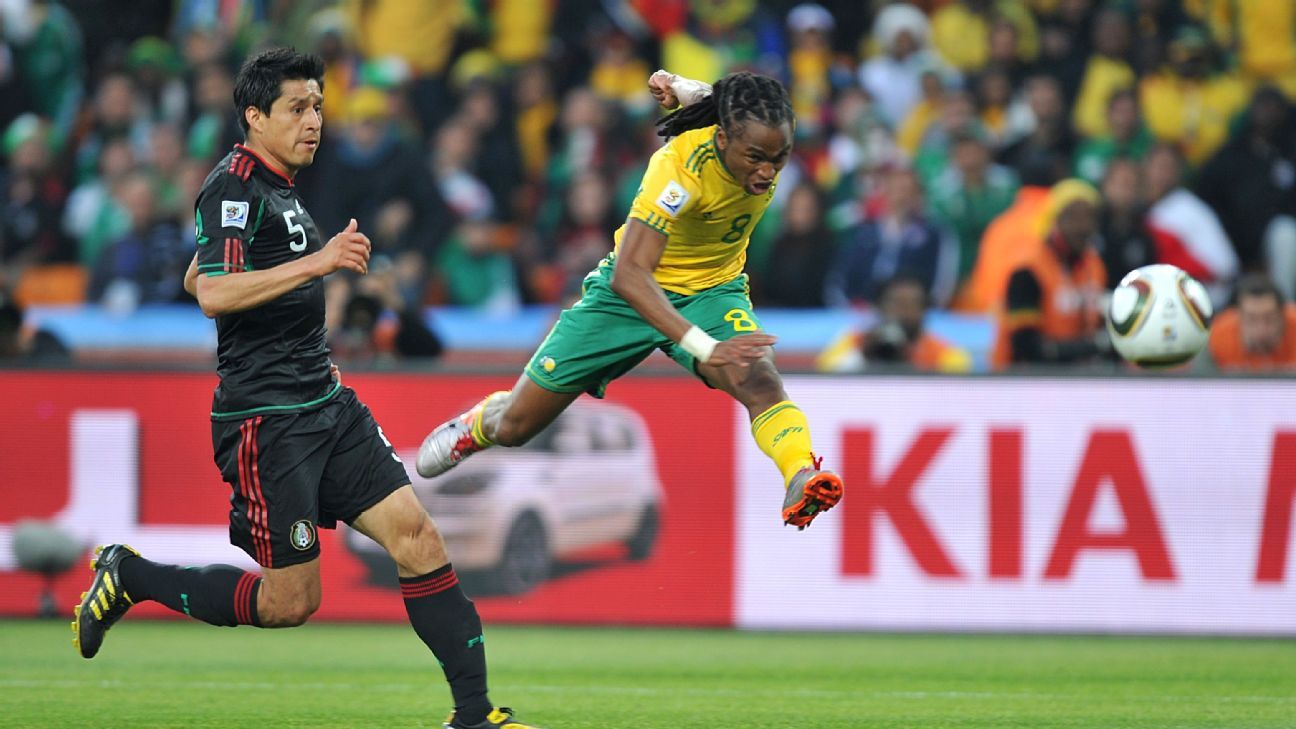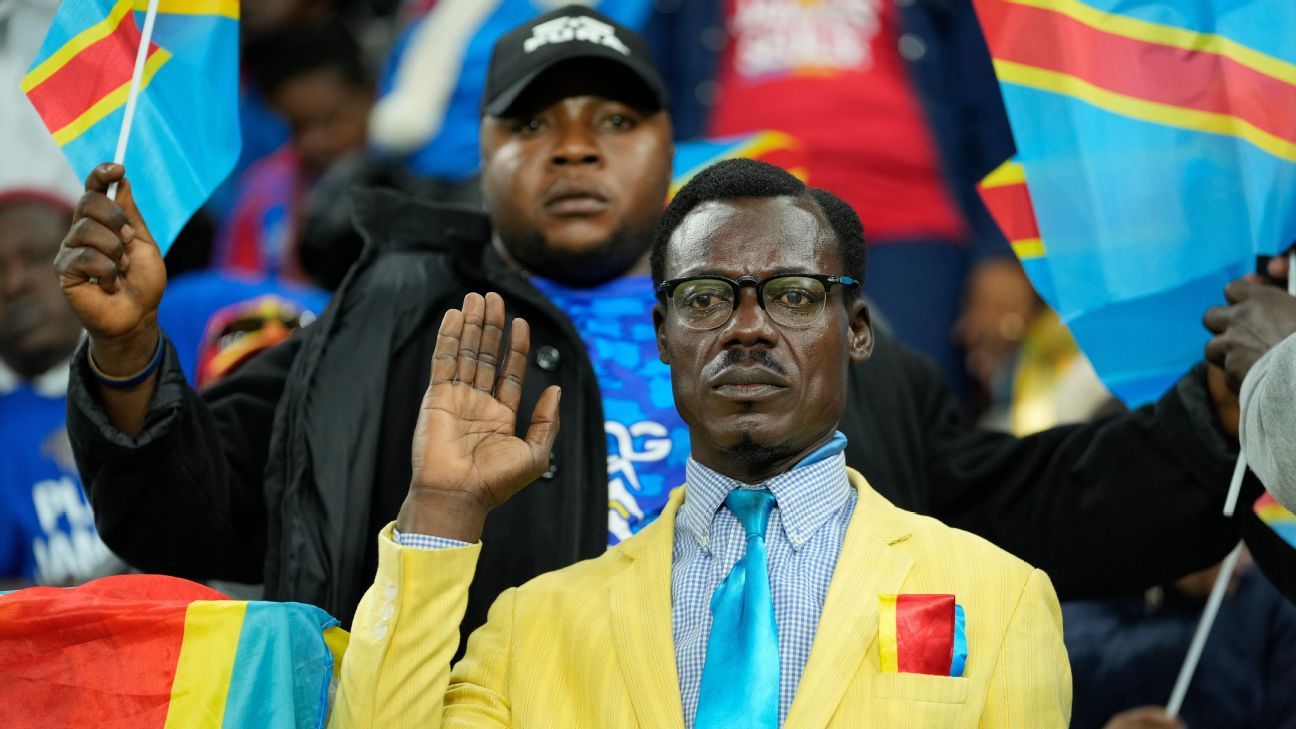
The appeal of the World Cup led to numerous player transfers for African teams during the international break.
Emerging Stars in African Football: A Spotlight on Recent International Debuts
Introduction: The March International Break and World Cup Aspirations
The March international break represented a crucial timeframe for the head coaches of Africa’s national football teams. It was a penultimate opportunity to evaluate new talent, solidify team rosters, and make crucial last-minute nationality switch decisions ahead of the impending World Cup. As teams gear up for a highly competitive tournament, the emergence of new players adds an exciting layer to the African football landscape. Each nation has its own story of recruits who could impact their World Cup journey, transforming aspirations into reality.
Morocco: The Rise of Issa Diop and Defensive Reinforcements
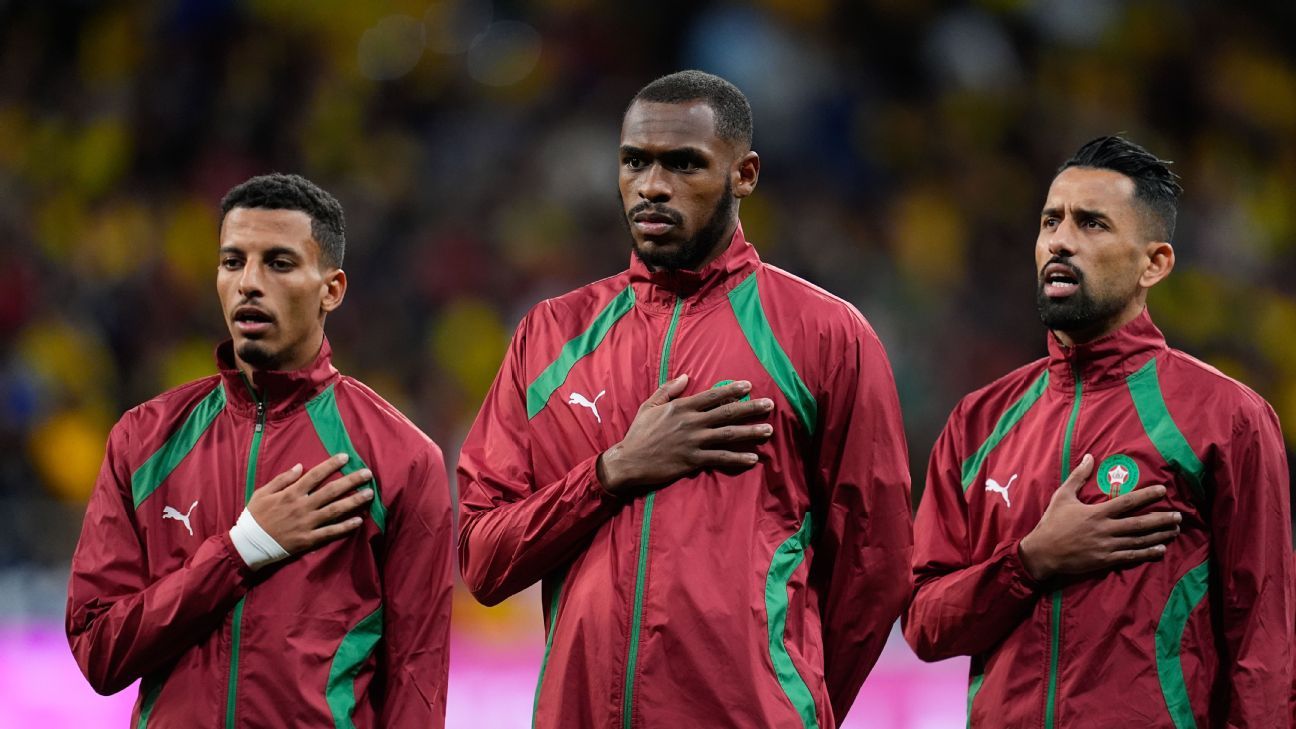
One of the standout narratives from this international break is Morocco’s significant recruitment of Issa Diop, a Fulham defender who recently committed his international future to the Atlas Lions. Diop’s dual heritage—born to a Moroccan mother and a Senegalese father—places him at a crossroads of African football history. His grandfather was the coach of Senegal’s national team back in the 1960s, but his recent decision to turn his back on the French national team showcases a renewed commitment to North Africa.
Morocco’s defense struggled in the previous Africa Cup of Nations, and Diop’s addition is particularly timely. Following the retirement of veteran players like Romain Saïss, Diop’s blend of Premier League experience and youthful vigor provides a solid backbone alongside emerging talents. Alongside goalkeeper Yassine Bonou, Morocco is poised to present one of the most formidable defenses at the World Cup. Diop’s promising debut against Ecuador showcased his composed play, proving he might indeed be a pillar in the Lions’ quest for glory.
Senegal: New Faces and a Legacy to Uphold
While Morocco made headlines with Diop, Senegal focused on integrating fresh talent, notably Nobel Mendy and Mamadou Diakhon. Although these players did not share the spotlight as much as Diop, their contributions are equally vital for the current African champions. Mendy, a centre-back currently on loan at Rayo Vallecano, made an unfortunate debut, suffering an injury that will require monitoring. On the other hand, Diakhon’s decision to pledge his international allegiance to Senegal over potential European options underscores the ongoing trend of players prioritizing national identity, and he made an impactful appearance as a substitute.
With Senegal’s recent achievement of the Africa Cup of Nations title, integrating new talent like Diakhon proves essential as the team prepares to defend its legacy. Coach Pape Thiaw’s balanced approach to capitalizing on existing talent while welcoming newcomers paints a bright future for the nation’s footballing prospects.
Ivory Coast: Elye Wahi’s Journey and Emerging Talents
Another prominent figure to emerge this international break is Elye Wahi, who has officially switched his national allegiance from France to the Ivory Coast. This transition speaks volumes about Wahi’s aspirations and the competitive narrative surrounding the Ivorian national team. Although he did not make waves in terms of goals during the recent friendlies, his presence adds a much-needed attacking dimension to a team already rich in talent.
Wahi’s decision reflects a broader trend in African football, with players recognizing the importance of national representation over club pedigree. His remarks about wanting to contribute sincerely to the Ivorian cause have resonated with fans and the team alike. The Elephants showcased their offensive potential during a pair of friendlies, scoring heavily against South Korea and Scotland, further indicating they are poised to make a significant mark on the global stage.
Other Notable Debuts: Spotlight on Emerging Nations
Aside from the giants like Morocco and Senegal, other African nations have also utilized this window to introduce exciting talent. For instance, Haissem Hassan, who made his debut for Egypt during a recent match against Saudi Arabia, brings a fresh perspective to a team traditionally reliant on established stars like Mohamed Salah. Another promising addition from Tunisia, Rani Khedira, the younger brother of World Cup-winning Sami Khedira, also chose to represent his family’s heritage after years of considering offers from the German footballing system.
Moreover, countries like Cape Verde are leveraging the international platform to strengthen their prospect pools by integrating players from diverse backgrounds. The strategic recruitment indicates that many teams are not merely looking for immediate effects but are laying foundations for long-term national development.
As we approach the World Cup, the stories of these debutants reflect the evolving identity of African football, highlighting not just the competition but the rich tapestry of cultural narratives that intertwine with every kick on the pitch. The coming months will be pivotal as these new faces solidify their roles in their respective squads, fostering hopes for not just participation but triumph in international football.