Fans Take Center Stage – Are Mama Joy and ‘Lumumba’ Attending the FIFA World Cup?
Icons of Football Fandom in Africa: Lumumba Mboladinga and Mama Joy Chauke
Sports fandom transcends the barriers of nationality, culture, and sometimes even logic. Nowhere is this more apparent than in Africa, where passionate supporters often become the beating heart of their national pride. Among these icons are DR Congo’s Michel Nkuka “Lumumba” Mboladinga and South Africa’s Joy “Mama Joy” Chauke, two fans whose recent headlines encapsulate the diverging narratives of African football fandom.
Lumumba Mboladinga: The Spirits of History and Unity
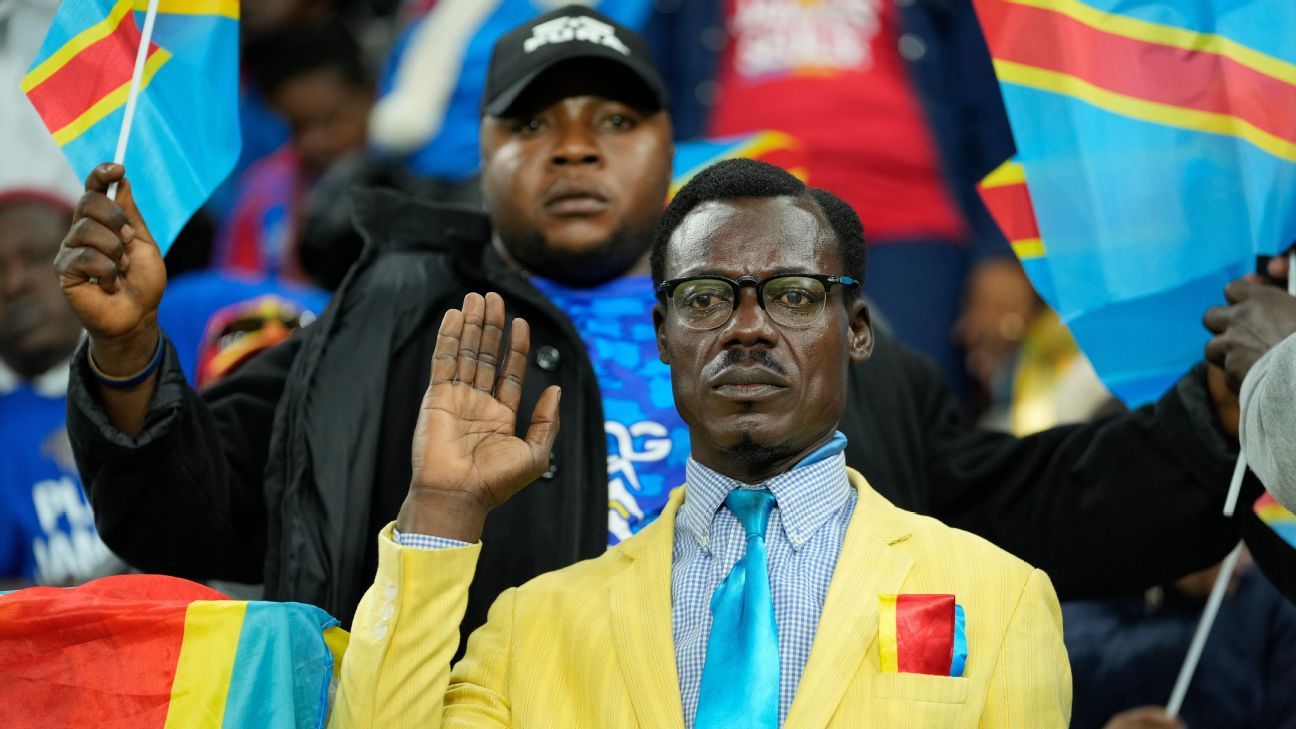
Michel Nkuka “Lumumba” Mboladinga has become a household name in football circles, particularly after his striking portrayal of the late Patrice Lumumba, the first Prime Minister of DR Congo. Lumumba’s ideals of pan-Africanism resonate deeply not only within the DR Congo but also across the continent. Mboladinga’s outfit and his characteristic pose mirror the late leader’s statuary legacy, turning him into a living tribute.
His rise to fame peaked during the recent Africa Cup of Nations (AFCON) held in Morocco, where he captured the hearts of fans with his dramatic flair and unwavering enthusiasm. What makes Mboladinga’s story even more compelling is the recent endorsement that seemingly aligns him with the DR Congo national team’s aspirations. Reports indicate they are rallying support to fund his trip to the FIFA World Cup in North America, a gesture symbolizing unity and homage to a figure whose influence can still be felt today.
The emotional response to Mboladinga is tied to the legacy of Lumumba himself—an individual who ardently fought for justice and equality. By embodying this figure at football matches, Mboladinga does not merely entertain; he educates younger generations about their historical roots in a modern context. Whether posing for pictures or cheering in the stands, he reminds his fellow supporters of their shared heritage and historical significance.
Mama Joy Chauke: A Controversial Yet Endearing Symbol
In contrast, Joy “Mama Joy” Chauke embodies the whirlwind of emotions surrounding public icons in sports. A fervent supporter of the South African national team, as well as the Orlando Pirates football club, Chauke initially endeared herself to fans with her vibrant spirit and colorful attire. For nearly two decades, she has served as a beacon of hope and celebration for many South Africans. However, her recent forays into controversy have painted a more complex picture.
Chauke’s past comments about potentially switching allegiances to another football club drew skepticism, while recent scrutiny regarding public funding for her attendance at various sports events, particularly the Rugby World Cup, further complicated her standing with the public. Sporting events often serve as melting pots of national pride and personal politics, and Chauke finds herself at the intersection of both.
Adding fuel to the fire, her recent performance in a Bafana Bafana quiz hosted by former South African player Michael Morton has garnered criticism, leading many to question her status as an ambassador of South African football. Despite these controversies, Chauke’s essence remains deeply entwined with the fabric of South African support culture. If she makes her way to the World Cup, her presence will inevitably spark debates about the role of fan culture in modern sports.
A Broader Spectrum of African Fan Icons
While both Mboladinga and Chauke draw headlines for their distinctive narratives, they are part of a broader tapestry of iconic football fans across Africa. Figures like Noureddine “Dolmi” El Fellah, who has traveled across five continents gathering supporters for Morocco, and Senegal’s Mouhamed Saliou Ndiaye, known for a laser incident during qualification rounds, further exemplify the vast and colorful landscape of African football fandom.
These fans serve multiple roles: they are entertainers, historians, and sometimes even ambassadors or renegades of their respective cultures. For instance, Dolmi’s dedication is a discordant reminder of the communal spirit embedded in football, where individual passion often culminates in collective pride. Similarly, Ndiaye became notorious not merely for the stunt itself but for embodying the fervid rivalry that makes football in Africa so thrilling.
The New Symbols of National Pride
Embedded in the narratives of these fans is a larger commentary on the meaning of national pride. As Mboladinga channels Lumumba’s vision of unity, Chauke’s journey invites questions about the state of sports funding and representation in South Africa. The crisscrossing paths of these two characters illustrate a vibrancy in African football that is as rich as its history.
Fans like Mboladinga have the power to inspire a sense of belonging, while those like Chauke remind us that the stage is complex, layered with both support and scrutiny. Whatever the outcome, these fans—deeply woven into the narrative lines of their respective footballing cultures—are reminders that passion and pride often play out in public, catching the attention of nations and sparking dialogues that are as vibrant as the colors of their jerseys.