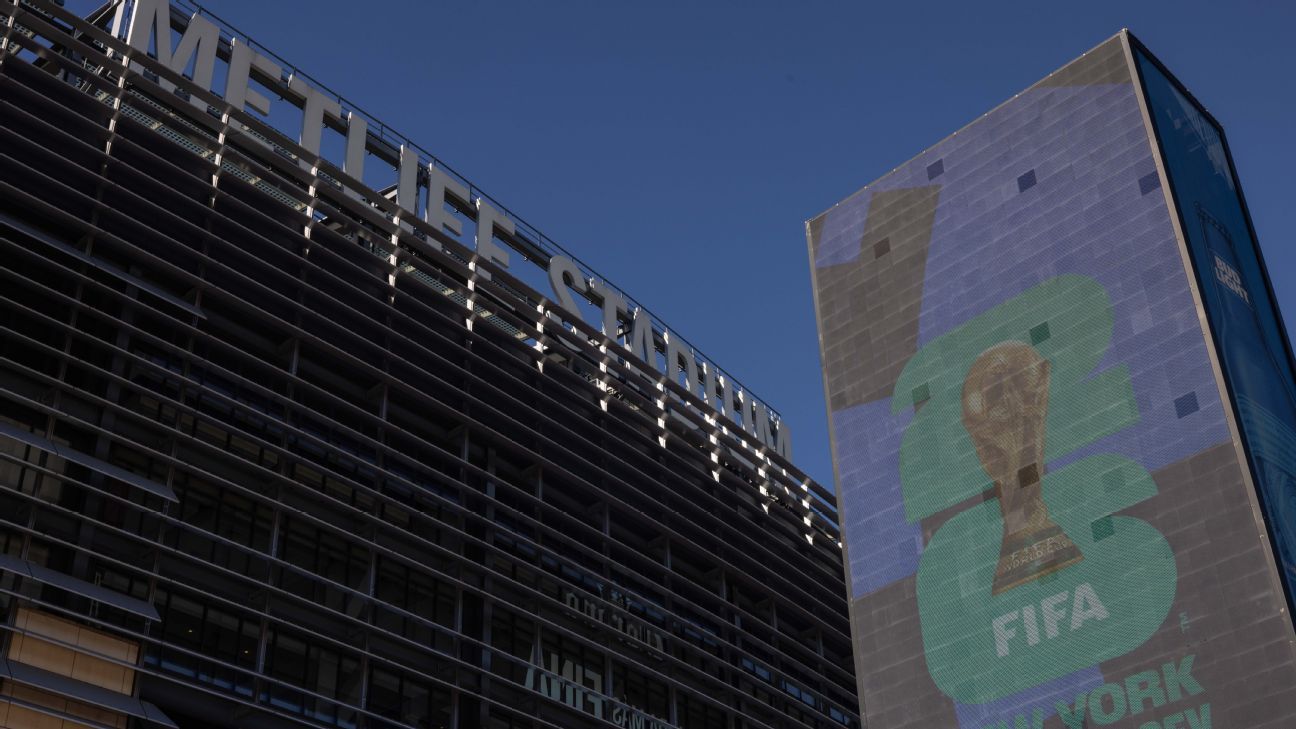
FIFA introduces additional, pricier ticket options for the World Cup.
Soaring Ticket Prices for the 2026 World Cup: The New Norm
As the excitement builds for the upcoming 2026 FIFA World Cup, a juggernaut event set to take place across the United States, Canada, and Mexico, fans are met with an unexpected revelation: ticket prices have significantly skyrocketed. FIFA recently unveiled new tiers of ticket pricing for the event, some reaching eye-watering prices that raise eyebrows and provoke questions about accessibility.
The Breakdown of New Ticket Tiers
Initially, FIFA had communicated a top price of $2,735 for category 1 tickets to the highly anticipated opening match between the United States and Paraguay on June 12 in Inglewood, California. However, less than a week later, the organization introduced “front category” pricing that escalates ticket costs to a staggering $4,105 for the best seats in the house. These premium tickets promise fans an unobstructed view of the action, while also adding a hefty financial burden on those looking to experience this global showcase of soccer.
In addition to the newly minted front category 1, FIFA also included a front category 2 tier, priced between $1,940 and $2,330. This tier offers an intriguing layer to the ticketing structure, seemingly aimed at providing fans with some semblance of choice while still keeping them well within the priciest realm of sports entertainment.
A Shift in Accessibility and Affordability
The soaring ticket prices have ignited fervent discussions about accessibility and affordability. Historically, World Cup events aimed to accommodate a broad spectrum of fans, but these recent changes appear to cater primarily to a well-heeled clientele. Even as FIFA proclaims that all 104 matches will be sold out, the increased financial barriers could alienate many devoted soccer supporters, especially those who do not have deep pockets.
FIFA’s decision to implement these sky-high ticket categories might reflect an evolving philosophy where sporting events gravitate toward luxurious experiences, almost resembling high-profile concerts. The challenge remains: How do they balance the exclusivity of such an event with the core passion of millions of fans eager to witness the world’s best players compete?
Historical Context and Comparisons
In examining the history of World Cup ticket pricing, the current situation reflects a broader trend not only in soccer but across various forms of entertainment. As fan engagement has intensified and global viewership has reached unparalleled heights, organizations have begun to monetize these experiences to an extraordinary degree.
For context, let us reflect on FIFA’s prior pricing models. While ticket prices have undoubtedly increased over the years, prior championships aimed to ensure that attendees represented diverse demographics. Recent adjustments signify a shift toward premium-only options, and this has sparked backlash from fans who feel disenfranchised. Comparatively, other international tournaments, like the UEFA European Championship, continue to offer more tiered pricing and accessibility options, suggesting an alternative model FIFA might consider in future tournaments.
The Future: Implications and Responses
Despite overwhelming feedback regarding the rising costs, FIFA remains somewhat unresponsive. Communication from its media office regarding these changes has been sparse, leaving fans wondering if their concerns will be taken into account. As ticket sales continue to unfold, questions linger around the feasibility of hosting events aimed at an increasingly exclusive audience.
In light of this backlash, FIFA did introduce a “supporters-tier” category of tickets in December, which was intended to provide fans with more affordable options. Still, the overarching question remains: will this effort be enough to quell fan discontent? As conversations surrounding accessibility and fair pricing grow louder, the ultimate challenge for FIFA lies in striking a balance between profit margins and inclusivity.
As the World Cup approaches, it becomes increasingly crucial for FIFA to navigate this delicate landscape, ensuring that the spirit of soccer remains intact for all fans, regardless of their financial means. The future of World Cup ticket pricing will undoubtedly spark continuous debate, and only time will tell if any changes will emerge in response to public outcry.