Iranian Soccer Officials to Discuss World Cup Plans with FIFA
Iran’s Road to the 2026 World Cup: Challenges and Prospects
As the anticipation builds around the 2026 FIFA World Cup, which is set to take place in the United States, Canada, and Mexico, Iranian soccer officials are navigating a myriad of challenges and opportunities. With just weeks to go before the tournament kicks off, discussions between FIFA and Iran’s soccer authorities have gained urgency. This article delves into the intricacies of Iran’s involvement in the upcoming World Cup, the political backdrop affecting their participation, and the implications for the national team as they prepare to compete on the international stage.
The FIFA Meeting: An Urgent Discussion
In a recent statement, Mehdi Taj, Iran’s top soccer official, emphasized the importance of an impending meeting with FIFA in Zurich. This gathering comes after Taj was unable to attend the FIFA annual congress held in Vancouver due to complications at the Canadian border. The meeting, aimed at resolving numerous pressing issues, is scheduled for May 20, a mere three weeks before Iran’s national squad is set to touch down in the U.S. for training and preparation.
Among the significant topics on the agenda are Iran’s group stage matchups against New Zealand, Belgium, and Egypt. As the team gears up to compete in high-stakes matches in Inglewood and Seattle, the urgency to solidify their logistics is palpable. While FIFA’s position maintains that Iran will participate as scheduled, the complexities surrounding travel, security, and international relations add layers of intrigue and uncertainty to the preparations.
Navigating Political Tensions
The backdrop of political tensions surrounding Iran complicates matters significantly. Reports indicate that the team’s intentions to participate in the World Cup have been scrutinized in light of recent military actions involving Iran in the region. The U.S., which historically has had strained relations with Iran, poses a unique challenge for the soccer delegation seeking entry into the country. The Iranian delegation recently faced detainment in Canada over questions related to their affiliation with the Islamic Revolutionary Guard Corps. This incident underscored the intersection of sports, politics, and international diplomacy that the Iranian officials must navigate.
Despite facing these challenges, President Trump expressed support for Iran’s participation, stating, “If Gianni [Infantino] said it, I’m OK.” Such endorsements may play a crucial role in easing tensions and facilitating Iran’s travel to the World Cup, as diplomatic gestures can help smooth over complications that arise from political pranks.
The Iranians’ Sporting Aspirations
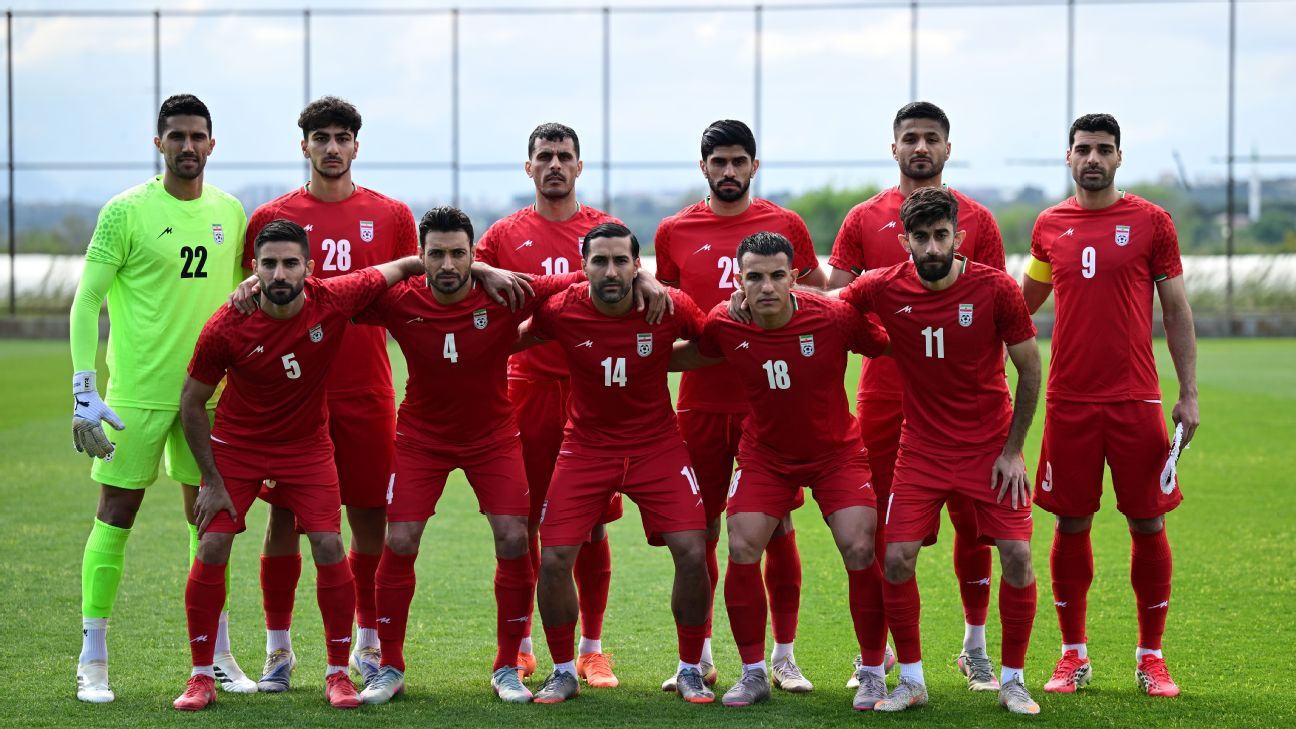
For the players in the Iranian national team, the 2026 World Cup represents a significant opportunity to shine on a global stage. Historically considered an Asian soccer powerhouse, the team boasts a mix of seasoned veterans and young talent eager to showcase their skills. The Iranian soccer league has experienced disruptions since the onset of military conflicts, adding further significance to their upcoming matches. With warm-up games held in Antalya, Turkey, the team is making the most of available training opportunities before the World Cup begins on June 11.
The stakes are high as Iran aims to advance beyond the group stage. The potential of facing the U.S. national team in the knockout rounds could add an intriguing layer of competition and drama to the tournament, further enhancing the narrative surrounding Iranian soccer.
The Broader Implications of Participation
The implications of Iran’s participation in the World Cup extend beyond the soccer field. As one of the first countries from the Asian Football Confederation to play in the tournament, their presence has the potential to foster dialogue and understanding between nations with complex histories. In a world where sports often serve as a bridge, the Iranian national soccer team could become a symbol of resilience and unity amid adversity.
Furthermore, the team’s journey could influence future dialogue around sports diplomacy, shedding light on the capacities of athletes to transcend borders, politics, and cultural divides. As FIFA and the global community watch, Iran’s upcoming engagements may serve as both a competitive platform and a stage for softer diplomacy, emphasizing the unifying power of soccer on the world stage.
As the clock ticks down to the World Cup, the Iranian soccer officials, team, and supporters hold their breath. Whether they will successfully navigate the challenges ahead remains to be seen, but their journey is emblematic of how sports intertwine with larger political narratives and the human spirit’s drive to thrive amidst complexity.
Related Posts
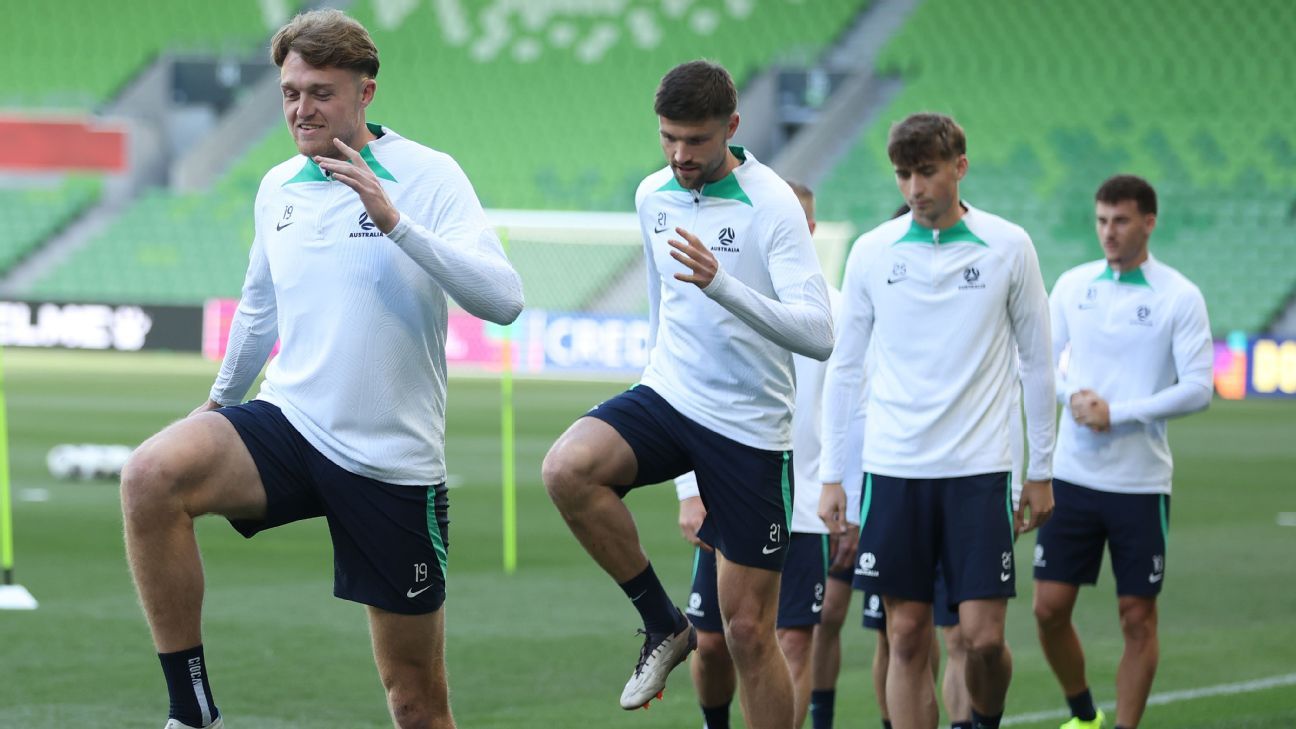
Souttar, Leckie, and Duke are the first to join Socceroos’ pre-World Cup training camp.
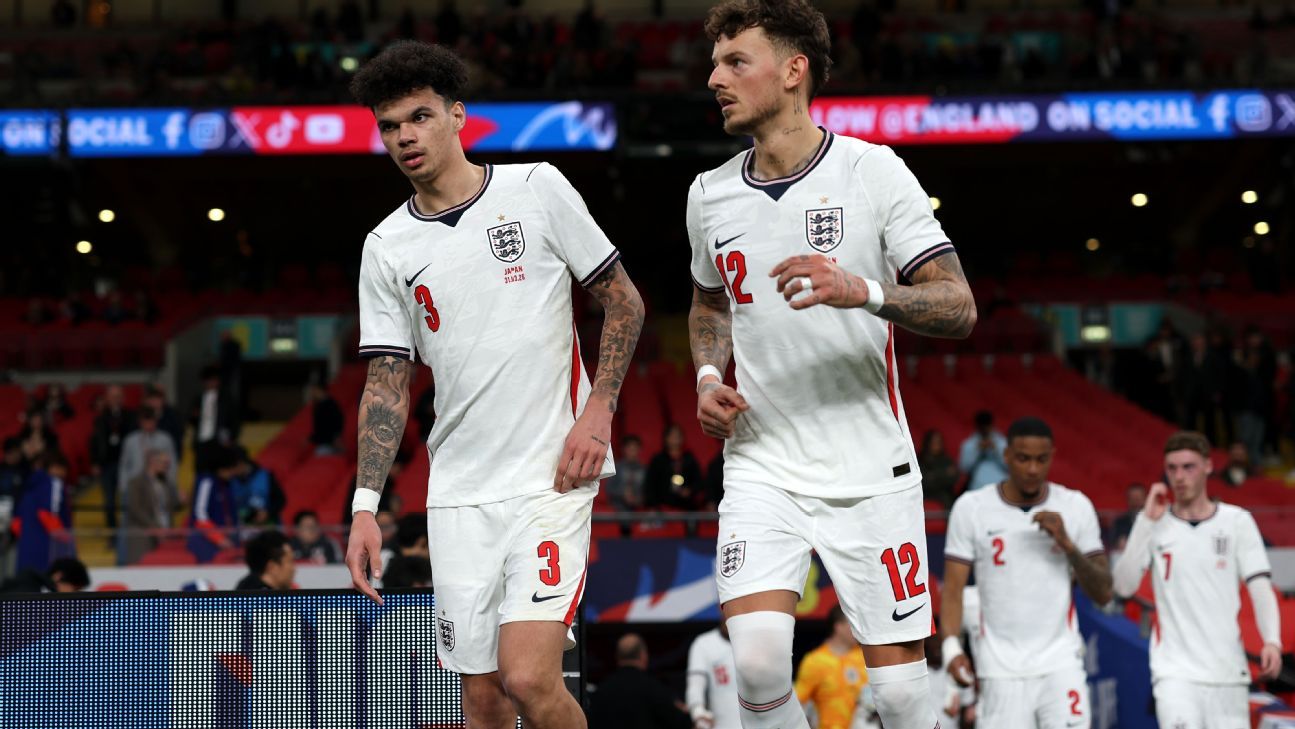
England 2026 World Cup Update: Assessing Rising and Falling Players as Thomas Tuchel Evaluates the Team