Why did Flamengo part ways with their coach despite achieving four titles in a year and an 8-0 victory?
The Rise and Fall of Filipe Luís: A Coaching Journey
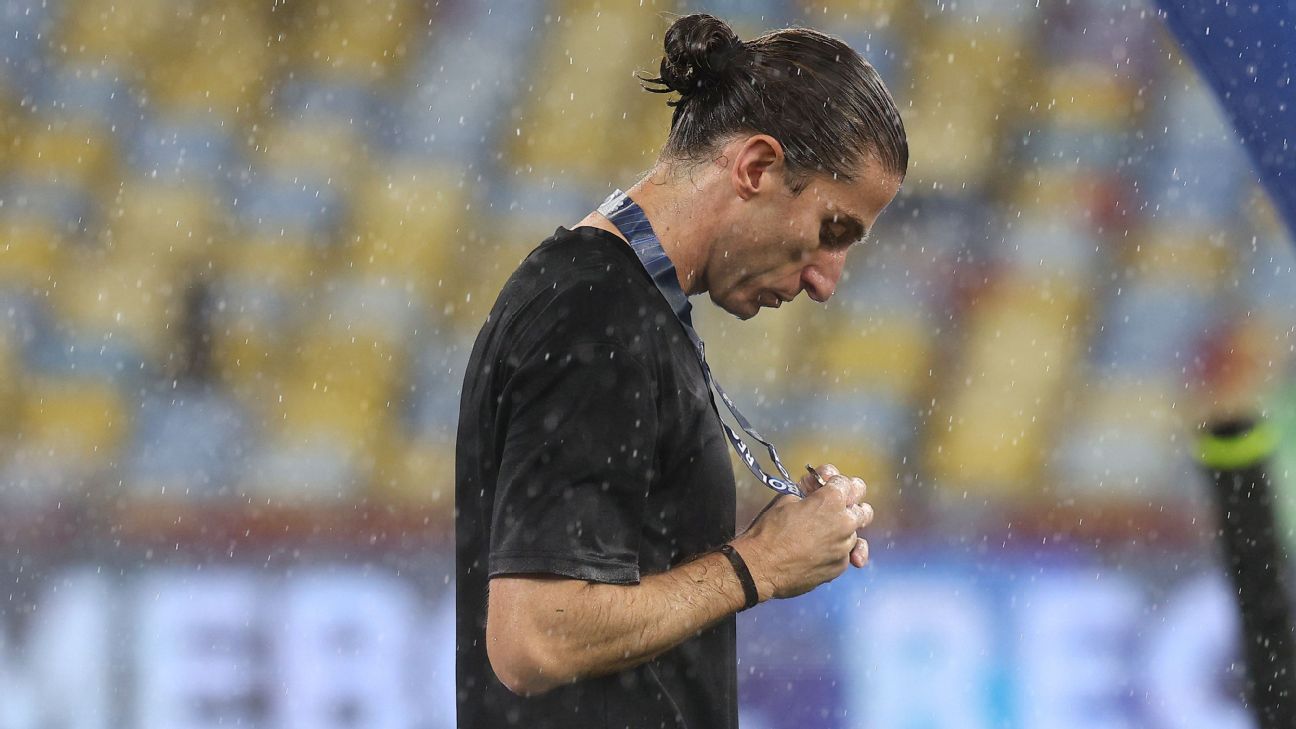
Filipe Luís, once celebrated as a key player for club giants like Atlético Madrid and Chelsea, found himself in the spotlight once again—not for his prowess on the field but for an unexpected twist in his coaching career at Flamengo. While he enjoyed success and accolades as a player, his brief but compelling tenure as head coach has left fans and football pundits alike scratching their heads. Sacked just after an overwhelming 8-0 semifinal win, his departure raises questions about expectations, pressures, and the brutal nature of professional football.
From Player to Coach: A Seamless Transition
After a distinguished playing career, Filipe Luís concluded his time on the pitch at Flamengo in 2023, moving quickly to the role of youth team coach. His rapid ascent through the coaching ranks—from managing the U17 and U20 teams to taking over the first team—speaks to his inherent understanding of the game and leadership capabilities. Fans had high hopes for the former player, as he had demonstrated a disciplined and intelligent approach to coaching. Under his guidance, Flamengo not only secured local dominance by winning the Rio de Janeiro State title but also made waves on the international stage with a Copa Libertadores victory.
His transition to coaching seemed effortless, marked by a keen tactical mind and the ability to motivate players—qualities that had been honed during his illustrious playing career. By late 2024, Filipe Luís had proven himself to be more than just a caretaker manager: he was leading Flamengo into a golden era.
The Expectations of Success
However, the weight of success can often be a double-edged sword. After winning four trophies, including the prestigious Copa Libertadores, expectations placed on Luís were astronomical. Flamengo, often regarded as the “Real Madrid of Brazil,” has an intense fan base and a history that demands continuous trophies. The signing of high-profile players like Lucas Paquetá, coupled with a recent streak of accomplishments, fueled an insatiable desire for further titles.
Flamengo’s culture thrives on ambition and conquest; anything less than victory was viewed as failure. The pressure for sustained excellence placed Luís in a precarious position, especially as the seasons turned and the question of whether the winning ways could continue loomed large.
The Strain of High Stakes
Luis’s dismissal was as startling as it was abrupt. Following the euphoric 8-0 semifinal victory against Madureira, one would expect a celebratory atmosphere, yet the club’s sudden decision to part ways with him demonstrated the harsh realities of football management. The reported brief conversation that led to this decision underscored the sometimes arbitrary nature of coaching appointments in high-stakes environments.
Compounding his struggles, Flamengo faced a grueling fixture schedule that left players fatigued and vulnerable. With little time for rest or strategic preparation, the team stumbled out of the gates in the new season, achieving their worst start in a decade. Filipe Luís’s tactical style, which relied on intense pressing and ball retention, became unsustainable under these conditions, contributing to an unraveling that few could foresee after such a triumphant previous year.
The Inevitable Fall from Grace
Even amidst the mounting pressures, Filipe Luís continued to work tirelessly, yet the situation deteriorated. Following losses in both domestic and continental Super Cups, the rumblings of discontent grew louder. The fanbase that once celebrated him began voicing frustrations, particularly after the high-profile signings failed to yield the desired performances on the pitch.
In a climate where Flamengo’s fierce competitive spirit dictates expectations, clubs can swiftly turn on their leaders. Luís’s sacking, coming on the heels of impressive wins, illustrates the unpredictable madness of football management, where even past successes can’t shield one from sudden downfall. In this cutthroat atmosphere, despite Ejército’s enormous potential and strategic insights, disappointment can rarely be tolerated—a reality that has led to his unexpected exit from the club.
The ongoing narrative surrounding Filipe Luís serves as a reminder that coaching isn’t merely about assembling talent; it’s about managing expectations, maintaining morale, and navigating the complexities of team dynamics. His journey reminds us that the line between success and failure in football can be painfully thin.