Africa at the FIFA World Cup: From One Team to Ten, Transforming Participation into Presence
The African Revolution in World Cup Football
For decades, Africa existed on the fringes of the footballing landscape, often sidelined during discussions of the World Cup. This landscape, however, is transforming dramatically, especially with the landmark 2026 FIFA World Cup, where we’ll witness an unprecedented ten teams representing the African continent. This shift marks a seismic change in the global football narrative, elevating African football from an occasional guest to a formidable participant on the biggest stage.
A Historical Context: Africa’s World Cup Journey
To grasp the significance of having ten teams in 2026, it’s important to dive into Africa’s storied past with the World Cup. The journey began in 1934 when Egypt became the first African nation to compete in the tournament, traveling to Italy. Their appearance was not merely a sporting endeavor but a symbol of a continent striving to assert its voice amid the colonial constraints that dominated global politics. Despite an early exit, the match against Hungary (which they lost 4-2) laid the foundation for Africa’s long and complex relationship with the World Cup.
For the next several decades, Africa’s footballing presence was sporadic and characterized by struggle. The continent faced numerous barriers, including qualification criteria that often relegated African teams to Europe or Asia. The geopolitical upheavals of the 1960s, driven by movements for independence, saw a stronger, collective African identity emerge. Yet, FIFA’s trivialization of African football—offering just half a World Cup place—led to a notable withdrawal from the 1966 tournament, a protest deeply rooted in emotional currents and demands for respect.
The Gradual Rise: Milestones and Breakthroughs
The 1970s heralded a more structured participation of African teams, with Morocco qualifying for the 1970 World Cup in Mexico as the first team to compete under the newly allocated place. It was an era marked by struggle and growth, as the continent began to showcase its footballing prowess. When Cameroon made waves by becoming the first African team to advance beyond the group stage in 1990, the footballing world began to take notice.
Despite moments of brilliance—like Algeria’s controversial exit in 1982 and Nigeria’s dazzling performances in the 1994 Cup—the prevailing narrative often leaned towards skepticism. African teams were seen as physical but lacking in tactical discipline. Still, the allure of African football grew, buoyed by star players making their mark in leading European leagues and influencing a younger generation.
The Transformation of African Football
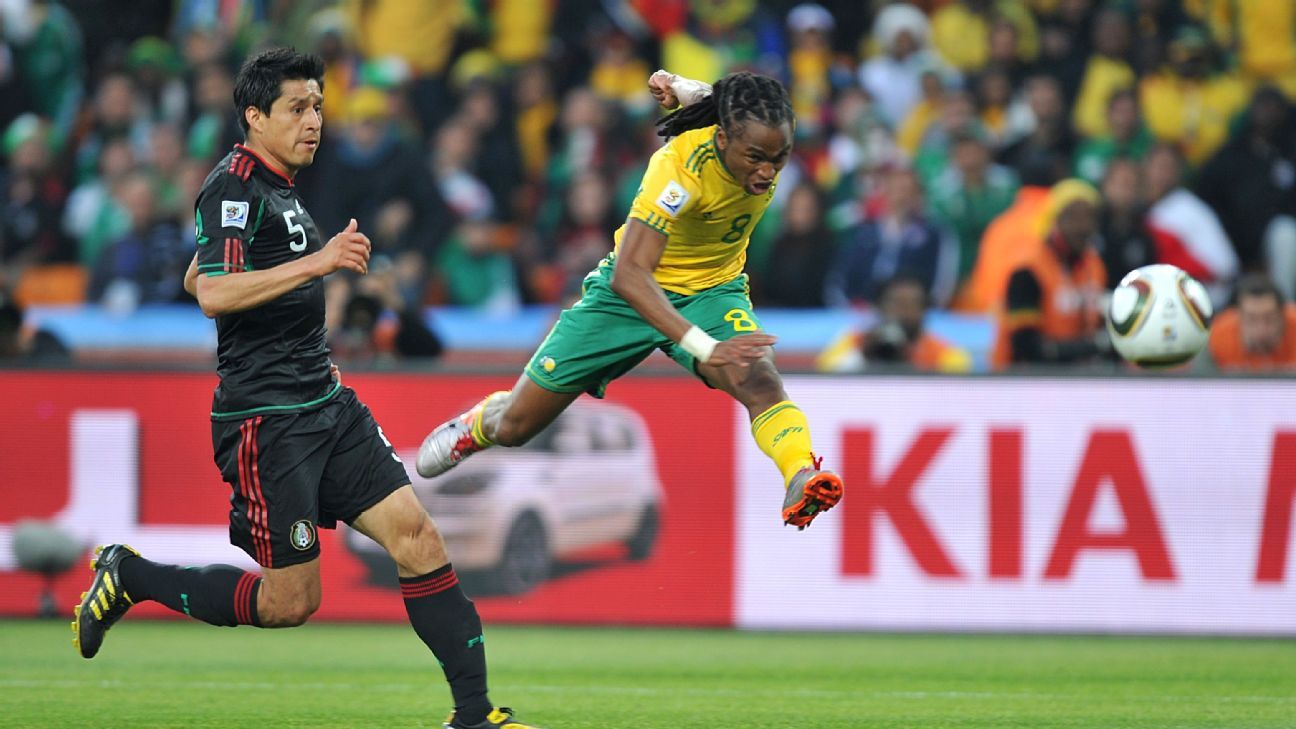
Fast forward to the 21st century, and the landscape began to shift fundamentally. With the 2010 World Cup hosted by South Africa, the continent experienced an unprecedented surge of interest. As the host nation performed valiantly, the tournament showcased African talent on a global scale. Yet, Africa’s representation remained limited: five slots for 54 countries—a glaring discrepancy that resurfaced at every World Cup.
However, Morocco’s inspiring run to the semifinals during the 2022 tournament shattered the glass ceiling of past perceptions, demonstrating that African teams could not only compete but thrive. This was not merely a fluke; it represented years of investment in training, tactical discipline, and a connection to the diaspora that had hitherto gone unrealized. By defeating European powerhouses like Belgium and Spain, Morocco dispelled the myths surrounding African teams, asserting their presence as worthy contenders.
The Road to 2026: Expanding Horizons
As we approach the 2026 World Cup, the expansion to 48 teams provides African football with a more proportional representation, granting ten qualifying spots. With this new structure, Africa contributes 20.8% of teams to the tournament. This significant increase challenges the historical imbalance and serves as a reflection of the continent’s evolving status within global football.
Although some critics argue that expanding the tournament could dilute quality and compromise the competitive nature of the event, the positive implications for African football cannot be ignored. The heightened visibility of African teams, coupled with a growing pool of talent, suggests that the continent is ready to assert itself meaningfully in this new footballing landscape.
In two months, we will witness a diverse array of footballing philosophies and styles converge on the World Cup stage. No longer an isolated voice, Africa will feature a collective orchestration of talent and ambition, ready to redefine its narrative in world football. The past may have shaped Africa’s sporting identity, but the future promises to be a testament to resolve, growth, and formidable presence.