Reasons for Rosenior’s Struggles at Chelsea and Necessary Changes for Future Managers
Chelsea’s Leadership Turmoil: The Rise and Fall of Liam Rosenior
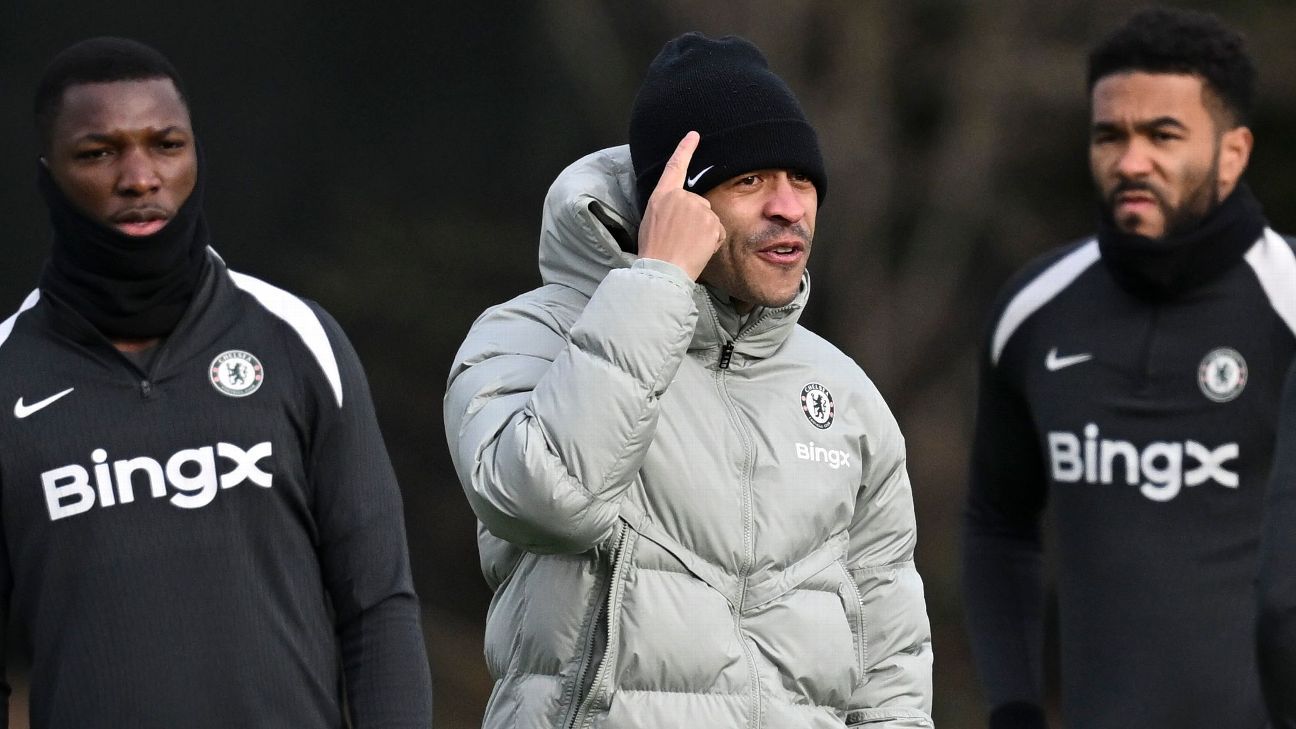
In a mere 106 days, Chelsea Football Club parted ways with their manager, Liam Rosenior. Handed the reins during a turbulent time, Rosenior’s time at the helm has sparked numerous debates regarding managerial qualifications, club culture, and the overarching influence of ownership structures in modern football. Although his appointment marked a hopeful moment for many, the discord ultimately proved insurmountable.
The Context of Rosenior’s Appointment
Rosenior found himself with a prominent role at Chelsea, following a successful tenure at Strasbourg and a brief spell at Derby County. His promotion to manager was viewed lightheartedly by some as a “yes man” scenario—suggesting his close ties with the ownership group, BlueCo, rather than his managerial experience, earned him the job. This skepticism was echoed throughout the fanbase, highlighted by the collective unease over his qualifications to lead one of the most storied clubs in football history.
However, behind the scenes, Rosenior was known to be diligent, decent, and hardworking—qualities that garnered the support of certain factions within the football community. Yet, the apprehension surrounding his transition from a mid-level manager to the leader of a powerhouse team could not be ignored. The stark reality set in when the club began to experience a dismal performance trajectory, which was further compounded by a growing lack of respect from players toward their coach.
A Fateful Series of Matches
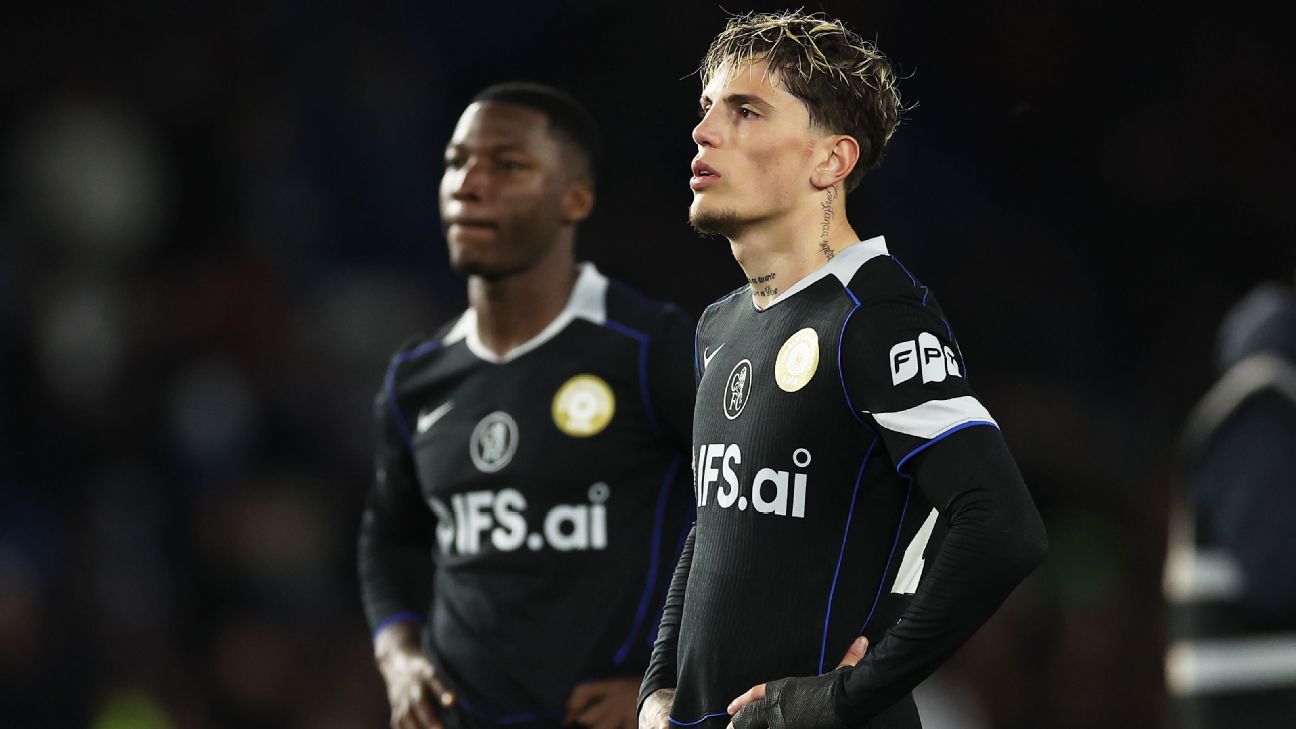
Upon taking charge in January, Rosenior’s record was marred by inconsistency. He lost ten out of 23 games, including a historic five consecutive Premier League defeats, a first for the club since 1993. The nadir of his tenure was highlighted in a 3-0 loss to Brighton & Hove Albion, a match that finally catalyzed the club to make a change.
Rosenior initially appeared to have some moments of success, winning seven out of his first nine matches, including a memorable comeback in the UEFA Champions League against Napoli. However, as losses mounted, issues became evident—not just on the pitch, but in the dressing room, where rising skepticism among the players hampered his authority. The tension boiled over when Enzo Fernández openly questioned whether he would remain at Chelsea next season, a sentiment echoed by other players expressing doubts in social media and internal team discussions.
Communication Breakdown and Discipline Issues
Rosenior’s approach, while initially aimed at fostering transparency and openness, appeared to backfire. His eagerness to communicate often led him to focus on trivial matters at the expense of maintaining his authority. For example, controversies over post-match discussions about player respect and team huddles began to overshadow the primary focus: winning matches.
Discipline on the field also became a significant concern, as the club recorded the highest number of red cards in the Premier League this season. The confusion surrounding team management was exacerbated when Rosenior failed to directly assign accountability for mistakes, leading to public speculation and undermining team unity—issues that many feared contributed to the eventual fallout.
Ownership Model Under Scrutiny
An underlying factor in Rosenior’s troubled tenure is the ownership structure introduced by BlueCo. With a multi-club model that encourages a collaborative approach involving sporting directors and data analysts, Rosenior’s authority was diluted. This model tasked him with executing decisions rather than leading them, seemingly sidelining the head coach’s traditional role.
While it is evident that the club aimed for a long-term vision, the emphasis on young talent and a shared decision-making process raised concerns over managerial autonomy. The essence of the BlueCo model has met its match in the oft-volatile realm of professional sport, where results may necessitate swift leadership changes. The question lingers: can Chelsea’s ownership structure adapt to promote a leader capable of earning the respect of seasoned professionals, while aligning with their ambitious vision?
As Chelsea sifts through the wreckage of Rosenior’s short stint, their next decision will be pivotal in determining the club’s trajectory. The search for his replacement looms large, not just to redeem the current season but to lay a foundation sturdy enough to support the complexities of high-stakes football and the pronounced expectations that come with wearing the Chelsea badge.