Is the current USMNT forward lineup the strongest in World Cup history?
U.S. Men’s National Team: Striking Potential Ahead of the 2026 FIFA World Cup
As the excitement builds for the upcoming 2026 FIFA World Cup, which will see the U.S. co-hosting alongside Mexico and Canada, the scrutiny on the U.S. men’s national team (USMNT) intensifies. Under the guidance of head coach Mauricio Pochettino, a crucial task looms: selecting the final 26-player roster. Among the many considerations, the striking options are of particular interest, especially given the historical inconsistency at this position. With a mix of emerging talent and experienced players finding their form abroad, the landscape of American soccer looks promising.
Evolving Landscape of American Talent
Historically, the U.S. has struggled to consistently deliver elite-level strikers, particularly after legends like Brian McBride hung up their boots in 2006. However, the player pool has seen a transformative shift in recent years. Increasingly, American strikers are carving out niches for themselves in some of Europe’s most competitive leagues, showcasing their skills on larger stages.
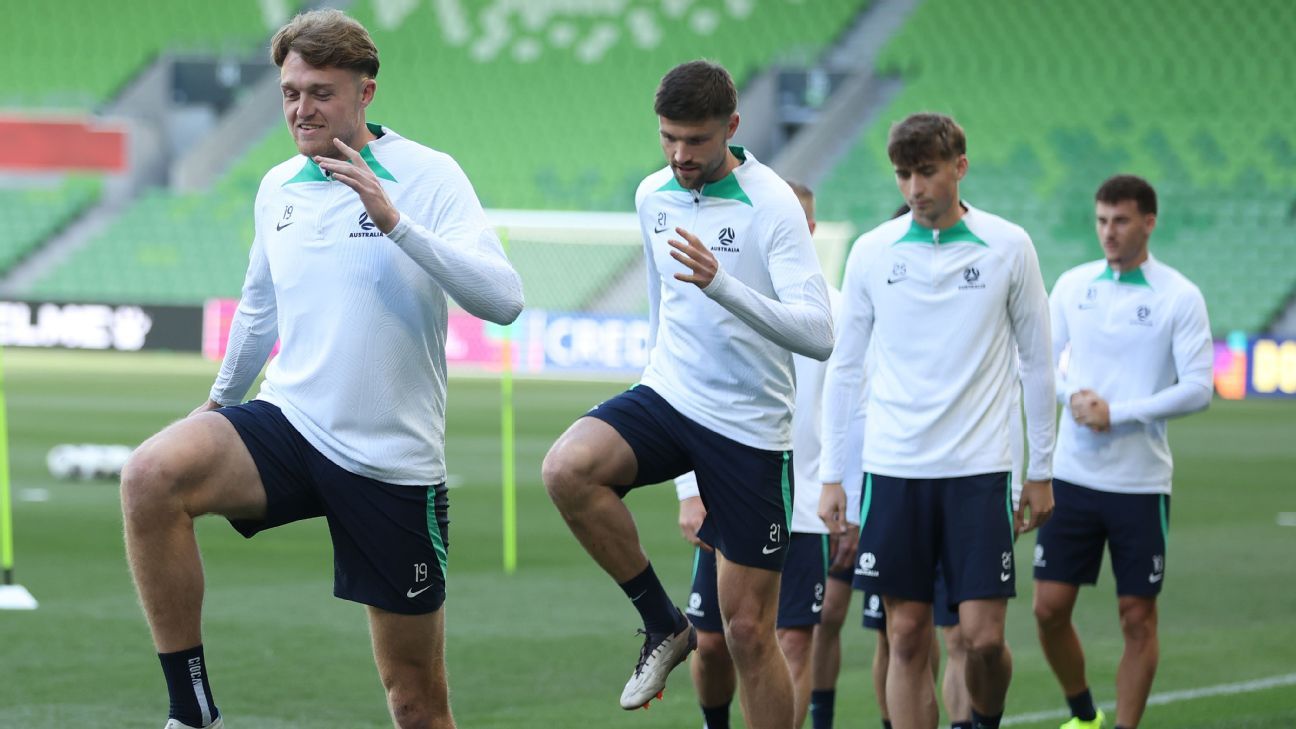
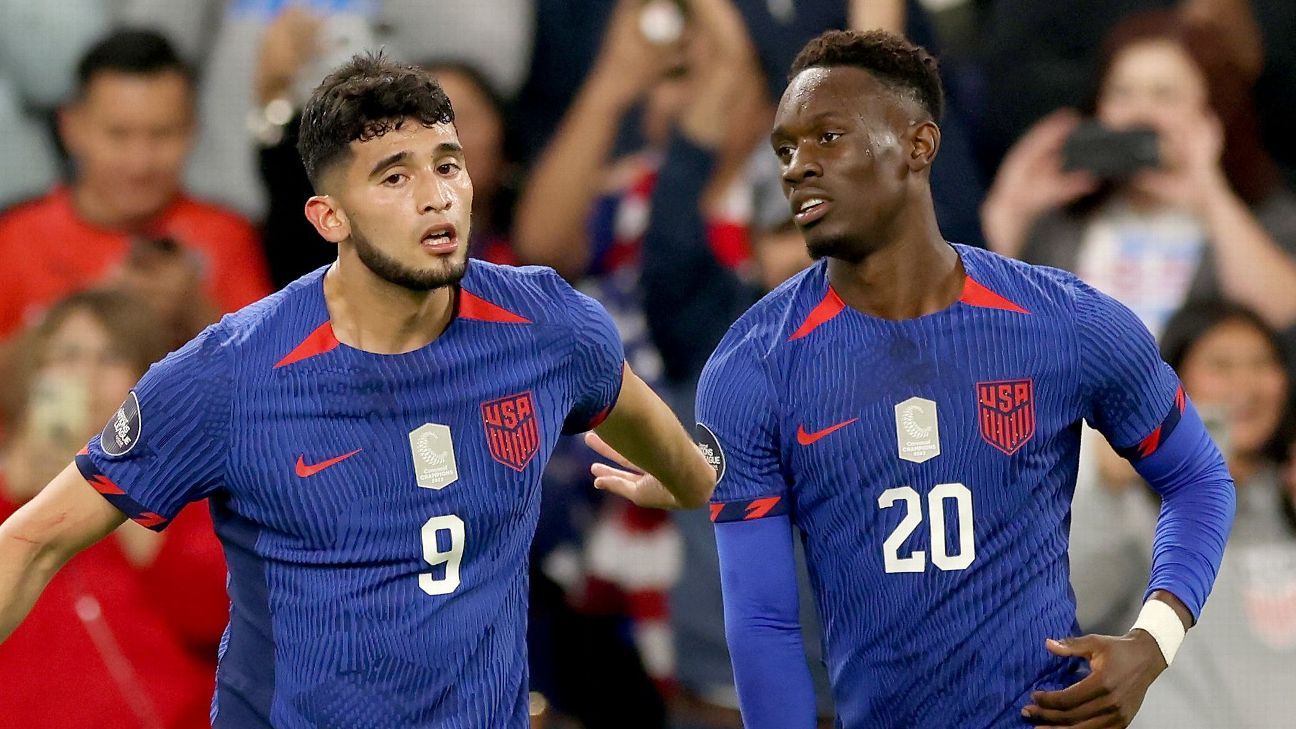
With players like Folarin Balogun at AS Monaco, Ricardo Pepi at PSV Eindhoven, Haji Wright at Coventry City, and Patrick Agyemang at Derby County, the U.S. is witnessing a resurgence of talent. In addition, Josh Sargent’s recent transition to Toronto FC adds to this depth, offering valuable international experience. This influx of young talent presents Pochettino with an enviable dilemma, as he assesses who best fits the tactical requirements of the team.
The Numbers Game: Assessing Striker Performance
To better understand how these players stack up against each other and previous generations, the stats reveal intriguing insights. Striker performance data, including metrics such as goals per 90 minutes and expected goals (xG), offer a window into their capabilities. Ricardo Pepi leads in non-penalty expected goals per 90 minutes, suggesting that he is not only a goal-scorer but an efficient one as well, which is critical for a team hoping to progress deep into the World Cup.
Moreover, recent figures reveal Haji Wright’s scoring ability with 16 goals in the league, while Folarin Balogun stands out for his all-around capabilities. Not just a scoring threat, Balogun is also instrumental in creating chances. In fact, he shares the top spot for big chances created per 90 minutes with another USMNT star, Clint Dempsey. Such versatility in a striker is invaluable, especially in high-pressure situations like the World Cup.
The Tactical Considerations
Pochettino’s tactical style frequently emphasizes fluid play and a strong attacking presence. Therefore, the capability of strikers to adapt to different roles—be it as a central forward, a winger, or even a playmaker—becomes essential. Players like Wright bring this versatility, allowing the coach to tweak formations without sacrificing attacking prowess. Meanwhile, Agyemang’s size offers a different dimension to the attack; he excels in aerial duels and can serve as a physical presence in the penalty area.
Recent comments from McBride underscore the importance of adaptability in the squad. Players who can fulfill multiple roles are vital not just for starting lineups but for creating a robust bench that can respond to the ebb and flow of tournament play. As such, a deeper look at each player’s qualifying stats becomes critical for Pochettino as he prepares the team for the rigorous demands of the tournament.
Historical Context: Strikers of Yesteryears
When looking back at the USMNT’s striking history, names like Jozy Altidore and Aron Jóhannsson come to mind. Their past performances highlight the importance of reliability alongside flair. Altidore’s tenure in the Premier League, despite challenges, produced some impressive metrics that currently set a high bar against the current generation of strikers. His shot conversion rates from the 2018 World Cup lead the list, indicating his capability during crucial moments.
Additionally, the statistics reveal a trend that sees the current group of strikers having both strengths and weaknesses. While they boast solid goal-scoring figures, they often trail behind their predecessors in terms of passing metrics. However, the focus should be less on the raw numbers and more on the unique potential each player brings to the table.
As Pochettino gears up for the World Cup, the blend of experience and youth within the striker pool paints a compelling picture for the USMNT. With each player vying for a spot, the competition will undoubtedly sharpen their skills, challenging traditional notions of what it means to lead the line for the nation. With the ball set to roll in just a few months, all eyes will be on this group as they prepare to make history on the world stage.