Iran’s Soccer Chief: We’ll Avoid the U.S., But Not the World Cup
Iran’s World Cup Dilemma: Politics and Soccer Intersect
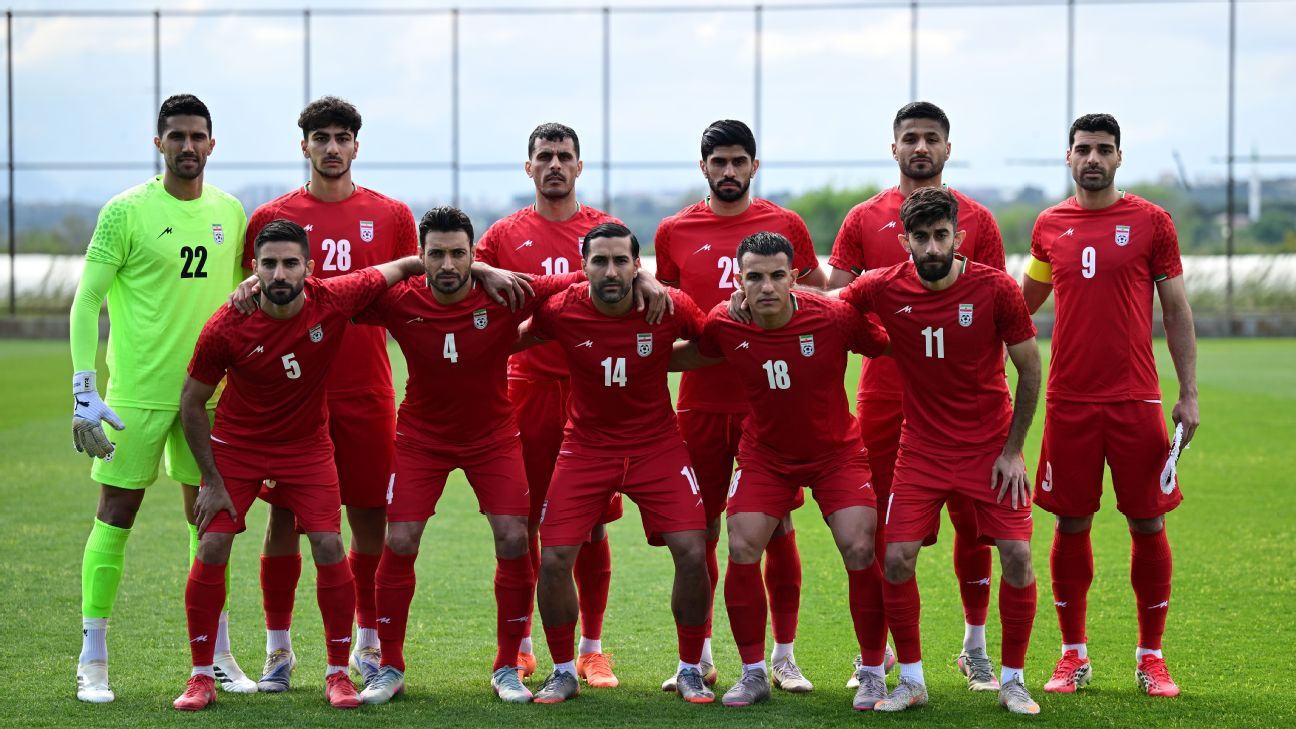
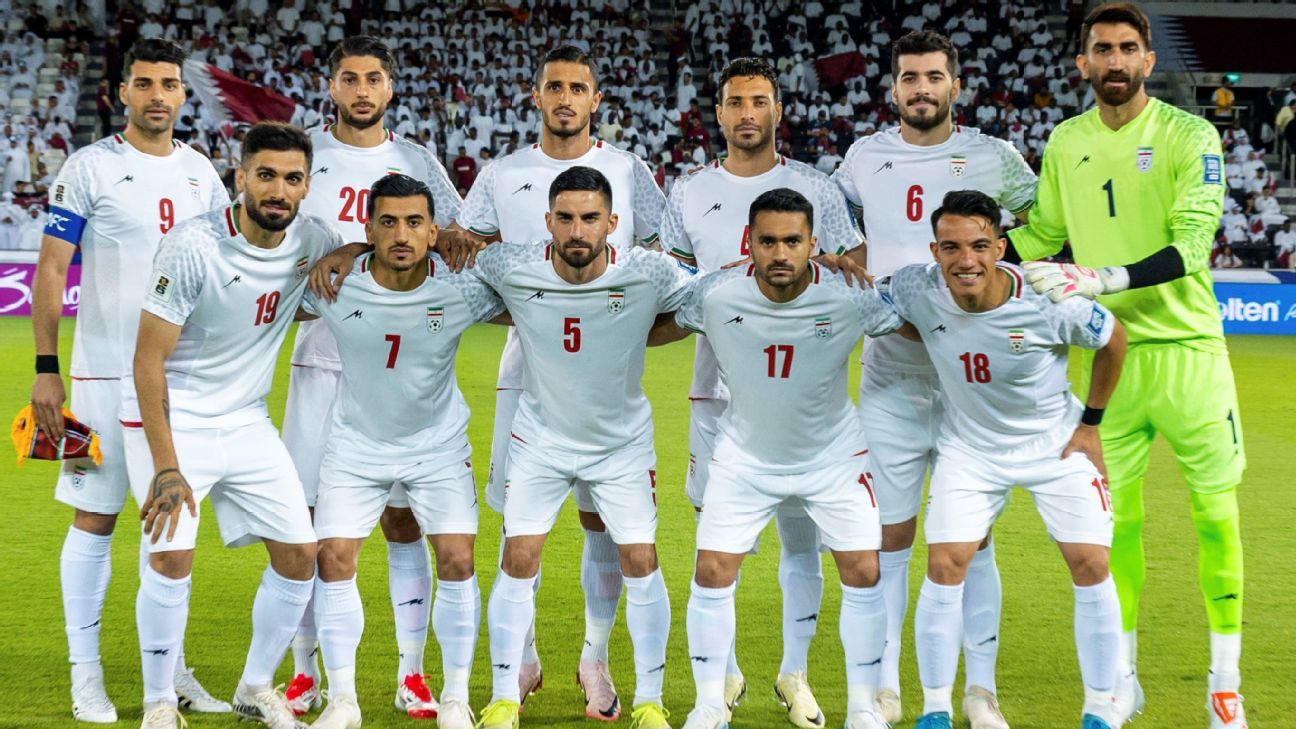
As the world gears up for the 2026 FIFA World Cup, which will be co-hosted by the United States, Mexico, and Canada, tensions between Iran and the U.S. threaten to overshadow the tournament. The Iranian football federation’s president, Mehdi Taj, made a bold statement this week: Iran will “boycott the United States, but not the World Cup.” This complicated stance comes in the wake of escalating political tensions and military actions that have put Iran’s participation in jeopardy.
The Context of Rising Tensions
The backdrop to Iran’s decision stems from a series of airstrikes conducted by the U.S. and Israel against infrastructure in Iran, escalating fears around security for the Iranian national team. As world leaders navigate the treacherous waters of international relations, the looming World Cup serves as a brilliant stage for political drama. The fact that the Olympics and FIFA’s premier soccer event are often marred by politics is not new, but the current geopolitical climate adds a serious twist.
Taj’s declaration highlights the uncomfortable reality that sports and politics are intricately tied, particularly in sensitive geopolitical contexts. Furthermore, the statements from U.S. officials, including President Donald Trump, reinforcing security concerns, amplify the urgency of Iran’s situation. This blend of international relations and sports is not just an abstract issue; it affects athletes’ safety, fan experiences, and national pride.
Negotiations with FIFA
Iran is not opting for a mere standstill; instead, they are actively engaging with FIFA to explore potential alternatives. Negotiations have centered around moving Iran’s group matches to Mexico. The Iranian football federation seems determined to ensure their team competes on the world stage, regardless of the host nation.
FIFA has maintained open communication with all participating member associations, assuring stakeholders that they are committed to upholding the game’s integrity amid rising tensions. As FIFA president Gianni Infantino remarked, the organization is focused on keeping the tournament on schedule and fostering a spirit of fair play. However, moving matches on such short notice—less than three months before the tournament—would be unprecedented.
Complexity of Group Matches
Iran’s situation becomes even more complex when considering the structure of the tournament. Although a shift to Mexico for group matches might be feasible, questions linger regarding the knockout stages. If Iran and the U.S. finish in a position that sees them meet in the later rounds, hosting becomes a logistical nightmare, particularly when those matches could fall under the jurisdiction of U.S. security and diplomatic protocols.
Moreover, national emotions are at stake. Soccer isn’t merely a sport for many nations; it serves as a catalyst for national unity, pride, and expression on the global stage. The prospect of an Iran vs. U.S. match in Texas—a state with not just significant Iranian-American populations but also a longstanding history of cultural and political friction—adds another layer of complexity to the situation.
International Response and Broader Implications
As news of these developments reached global audiences, reactions varied. Mexico’s willingness to accommodate Iran’s needs reflects a broader diplomatic stance that aims to promote sports as a medium for dialogue. President Claudia Sheinbaum stated that Mexico would wait for FIFA’s decision, leaving room for collaboration rather than confrontation.
The implications are significant not only for Iran’s national team but also for geopolitical relationships moving forward. Ongoing dialogues between nations facilitated through sports could serve as a platform for easing tensions. Yet, as we’ve seen historically, such narratives can quickly spiral when politics takes center stage.
In a paradox where soccer unites and divides, the upcoming World Cup will likely serve not just as a sporting event but as a reminder of the intersecting paths of diplomacy, security concerns, and international camaraderie. As the tournament draws nearer, all eyes will be on FIFA, the governments involved, and how they navigate this intricate web of politics and sport.