Wayne Rooney labels South Africa as the ‘most disappointing’ World Cup.
Revisiting the 2010 World Cup: Wayne Rooney’s Controversial Take
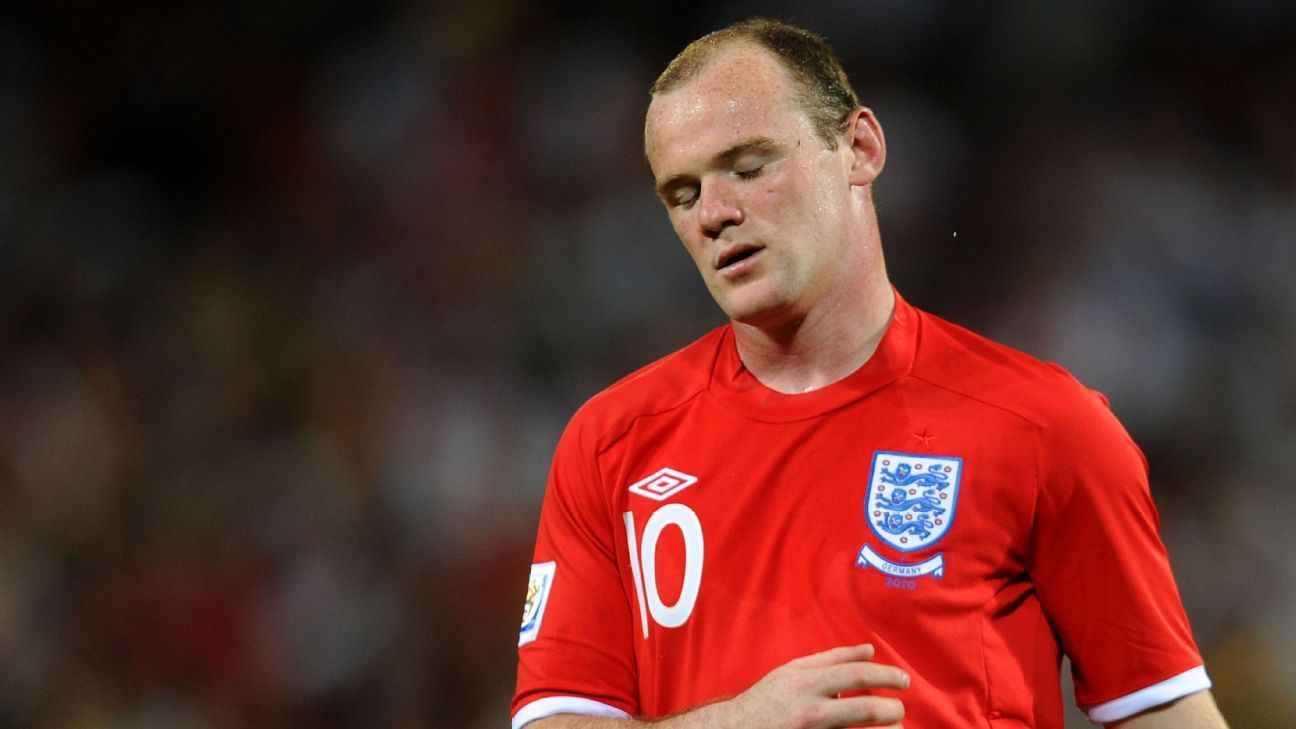
The 2010 FIFA World Cup in South Africa represented a monumental moment in sports history, being the first-ever World Cup held on the African continent. It was a celebration of culture, unity, and the beautiful game. Yet, as former England striker Wayne Rooney recently commented, it fell short of expectations. During a discussion on his platform The Overlap, Rooney dismissed the tournament as the “worst” World Cup, sparking conversations about the event’s ambiance and outcome.
The Atmosphere: A Distant Echo of a World Cup
When one thinks of a World Cup, vibrant energy, fanfare, and an exhilarating atmosphere are expected. However, Rooney, in his candid reflection, remarked on the eerie quiet that surrounded the tournament, particularly during England’s opening match against the United States. “It was pitch black, there were no fans,” he recalled, suggesting that the familiar thrill of a World Cup was missing. This sentiment resonates with many who attended the tournament.
The absence of widespread fanfare was compounded by the organizing struggles, leaving some matches feeling underwhelming. Despite the exuberant sounds of vuvuzelas making waves worldwide, the perceived lack of enthusiasm and fan attendance during key games painted a contrasting picture of what a World Cup should evoke: jubilation and a palpable sense of camaraderie among supporters.
England’s Journey: A Path Marred by Challenges
Rooney’s discontent can be partially traced back to England’s lackluster performance. Managed by Fabio Capello, the team entered the tournament with high hopes but failed to deliver. A draw against the U.S. in their first match set the tone for a disappointing campaign. The subsequent goalless draw against Algeria didn’t help matters, and it wasn’t until their final group stage game that they managed a win against Slovenia, courtesy of a solitary goal from Jermain Defoe.
Going into the knockout stages, England seemed to carry a weight of expectation that they struggled to lift. Facing Germany in the round of 16, they suffered a humiliating 4-1 defeat. Rooney himself did not score during the tournament, leading to frustration not just for him but for an entire nation watching their team falter on the world stage.
Africa’s Moment: Hopes Dashed, Spirit Unbroken
South Africa’s World Cup was not only significant because of its geographical location but also the hopes it represented for African teams. Despite the anticipation, the aspirations of African nations ultimately crumbled under pressure. Ghana was the last team standing, making it to the quarter-finals but falling short when faced with Uruguay. The infamous moment where Luis Suárez was sent off for a last-minute handball epitomized the drama, as Ghana missed the subsequent penalty, sealing their fate in a heartbreakingly dramatic fashion.
South Africa itself, as the host nation, faced early exits from the tournament, leaving fans with a bittersweet feeling. While their effort to organize the event was commendable, the tournament did not bring the triumph the continent had hoped for, which added to Rooney’s claims that the spirit of a World Cup was not fully realized.
Spain’s Ascension: A Silver Lining
In a tournament marred by disappointment for some, Spain emerged victorious, claiming their first World Cup title. This triumph was nothing short of remarkable given the team’s previous shortcomings in major tournaments. The Spanish side captivated audiences with their play style and camaraderie, ultimately beating the Netherlands 1-0 in the finals with a breathtaking extra-time goal by Andrés Iniesta.
Spain’s success added a layer of complexity to Rooney’s reflections. While he and his team struggled, the tournament was still home to extraordinary moments and ground-breaking achievements, showcasing the unpredictability of football. Spain’s victory also ignited discussions about potential future tournaments, with Rooney hinting that the upcoming World Cup in the U.S., Canada, and Mexico must reignite the true spirit of the game.
As Rooney critiques the experiences of 2010, it isn’t just an isolated commentary; it’s reflective of the collective memories, aspirations, and divergent paths that intertwine within the rich tapestry of the World Cup as it evolves across continents and through generations.