Man United faces a decision: Is Carrick the right choice, or should they look elsewhere?
Decision Day Dilemma for Manchester United: The Case for Michael Carrick
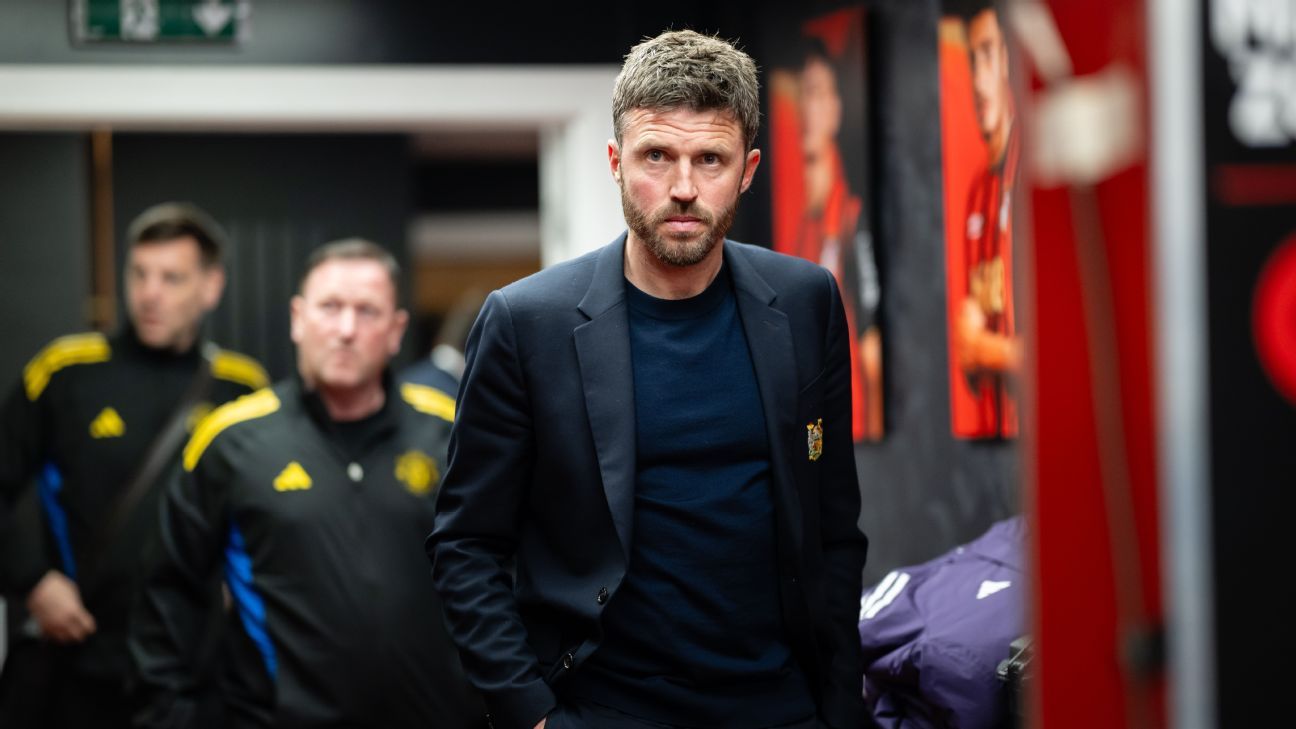
As Manchester United approaches a critical juncture in its managerial saga, the question of whether to appoint Michael Carrick as the permanent manager looms large. This decision carries implications not just for the immediate future of the club but also for its long-term vision. Since stepping in as interim boss, Carrick has recalibrated the team’s trajectory, instilling a renewed sense of belief and performance. Ultimately, the board’s choice will hinge on weighing stability against the allure of a marquee signing.
The Case for Michael Carrick’s Appointment
The compelling argument for retaining Carrick lies in his notable impact since taking charge. Under his stewardship, United has seen a resurgence in form, clinching 23 points out of a possible 30. This remarkable record has propelled the club from a precarious seventh place to a promising position within the top three, sparking hopes of Champions League qualification. The sense of stability that Carrick brings could be precisely what United needs after a turbulent decade marked by managerial turnover and inconsistent performances.
Notably, Carrick’s approach is grounded in pragmatism. He excels in placing players in positions where they can maximize their talents. This tactical acumen is evident in the transformation of Bruno Fernandes, who has flourished in an advanced role, shattering David Beckham’s record for assists in a single Premier League season. Money spent on attacking reinforcement—acquiring players such as Bryan Mbeumo, Matheus Cunha, and Benjamin Sesko—has also revitalized the squad. Furthermore, the decision to adopt a more conventional defensive setup has helped elevate players like Harry Maguire, who credits Carrick with reviving his international career.
Interestingly, the lack of European competition this season, while a disappointment in some respects, has provided United with fresh opportunities for rejuvenation. Players are getting more rest and can devote additional time to mastering Carrick’s tactical ethos on the training ground.
The Influence of Coaching Staff
Another layer of complexity in Carrick’s potential appointment lies in his coaching staff. The presence of seasoned former players like Jonny Evans and Jonathan Woodgate on the coaching team adds a defensive robustness that could have been lacking. Their experience, along with assistant coach Steve Holland, who previously worked with the England national team, fosters a competitive but constructive environment. Holland’s reputation for maintaining high standards can ensure that egos are kept in check, which is crucial for managing a squad filled with top-tier talents.
Carrick’s seemingly calm demeanor can be deceptive; he has demonstrated the capacity to be assertive when necessary. Reports of him laying down the law following a disappointing defeat against Newcastle—where he famously declared “No more Mr. Nice Guy”—show that he possesses the resilience needed to command respect in the dressing room. The dynamic within the coaching staff is pivotal; they collectively embody a blend of tactical wisdom, motivational prowess, and knowledge of the pressures faced by premier players.
Evaluating Potential Risks
Despite the compelling case for Carrick, potential risks must be acknowledged. His managerial experience at the top level remains limited, having previously experienced a rocky tenure at Middlesbrough before this opportunity arose. The skepticism about his long-term credentials arises from United’s past decisions to appoint managers lacking proven track records, such as Jose Mourinho and Louis van Gaal.
Some may question whether Carrick’s initial successes at United can be sustained or if they represent a temporary uptick rather than a long-term upward trajectory. The fear of repeating past mistakes looms large, particularly when juxtaposed against the backdrop of high expectations that come with the Manchester United brand.
If Carrick does not manage to demonstrate sustained improvement, the board may find itself caught in a quagmire, needing to make yet another mid-season managerial change. The stakes are even higher now as the club stands on the brink of a potential return to European football—an achievement that could serve as a pivotal point for Carrick to not only secure his position but also consolidate the foundation for future successes.
Looking Ahead: Needs and Challenges
If Carrick is to secure his role permanently and guide Manchester United back to its former glory, the squad will require significant reinforcements. Key departures, particularly that of former star Casemiro, underscore the need for fresh talent and greater depth to bridge the gap with Arsenal and Manchester City. Targeting marquee midfielders like Elliot Anderson or Adam Wharton, both of whom are generating considerable interest, are essential steps.
Equally crucial is the acquisition of a world-class defender to eventually succeed Harry Maguire, along with an upgrade for the fullback positions. The expectations around signings cannot be understated, especially when considering the club’s historical precedence for success. The challenge will be whether Sir Jim Ratcliffe, the minority owner leading the football operations, will trust Carrick with these vital transfer decisions, or if they will lean towards another name with more pedigree.
The complexity of this decision extends beyond the immediate tactical considerations; it encompasses the very essence of Manchester United’s identity as a club that has historically thrived on ambition and high performance. As the club weighs its options, one undeniable fact remains: the choice made in the coming weeks could alter the course of United’s journey, setting the stage for either resurgence or continued struggle.