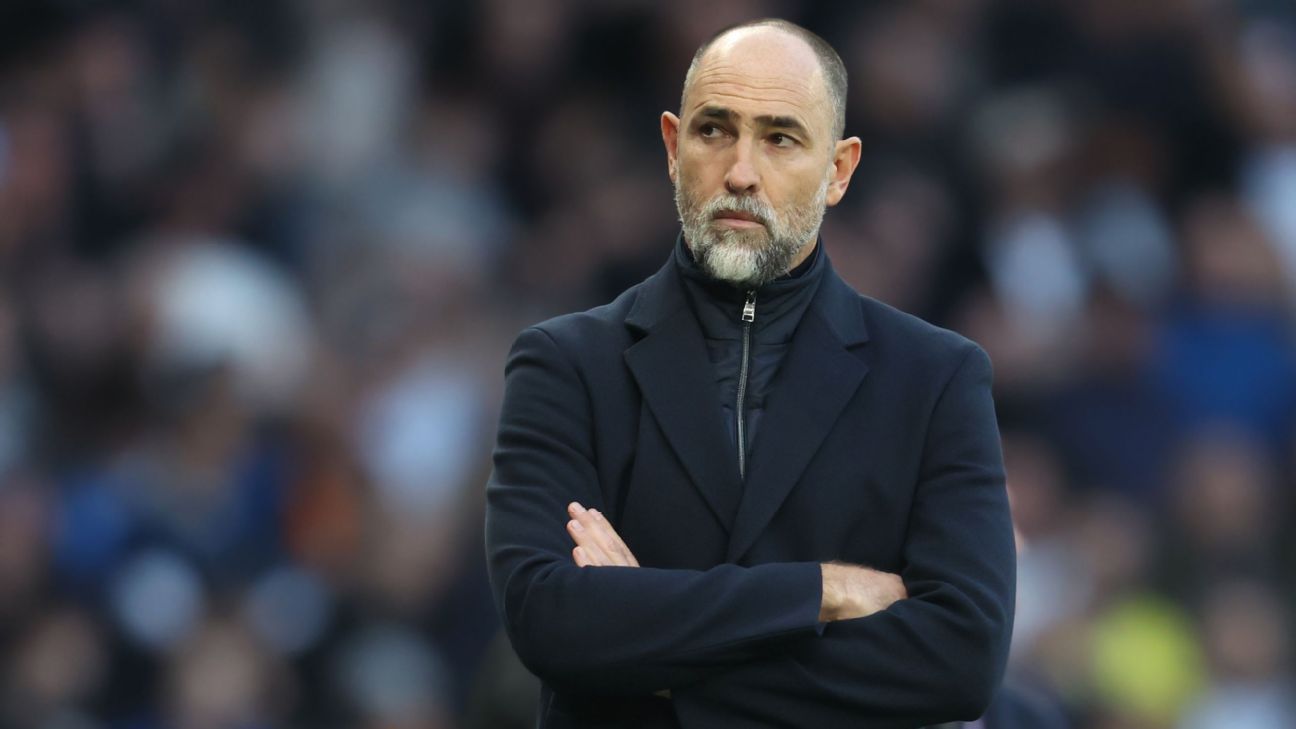
Tottenham and Igor Tudor mutually separate as the club faces relegation concerns.
The Turbulent Exit of Igor Tudor: A New Era for Tottenham Hotspur
Tottenham Hotspur’s recent decision to part ways with head coach Igor Tudor after only 43 days epitomizes the high-stakes world of professional football, where results often dictate personnel changes. With a disappointing single win in seven matches, and the team dangerously close to the relegation zone, this quick turnaround beckons scrutiny not only of Tudor’s brief tenure but also of the larger implications for the club.
The Short-Lived Tenure
Igor Tudor was brought in as a stopgap solution following the departure of Thomas Frank, with hopes that his experience and tactical acumen would help steer the ship through troubled waters. However, the results fell flat; aside from a notable victory against Atletico Madrid in the Champions League, the Spurs crashed out of the competition due to a painful aggregate loss of 7-5. This singular victory soon became overshadowed by a grim Premier League campaign, leading the club to find itself in 17th place—just one point above the relegation zone.
The culmination of Tudor’s brief stint was a harrowing 3-0 defeat to Nottingham Forest—an outcome that amplified the growing concerns among fans and club management alike. Following this match, news of Tudor’s personal tragedy—the passing of his father Mario—added a layer of complexity to the situation. The mutual departure seemed to be as much about timing and circumstances as it was about performance.
The Coaching Vacuum: Immediate Aftermath
In the wake of Tudor’s exit, Tottenham Hotspur faces a coaching vacuum at a critical juncture in the season. The club announced that Bruno Saltor will temporarily lead training during this transitional phase, as most first-team players are currently away on international duty. Nonetheless, the urgency for the club to appoint a new head coach is palpable. Tottenham has a crucial trip to Sunderland looming on April 12, and the players need someone at the helm who can reinvigorate their morale and tactics.
The speculation surrounding potential successors has already begun to swirl. Former club manager Mauricio Pochettino is reportedly interested in a return, but his commitment to leading the US Men’s National Team at the upcoming World Cup adds layers of complexity. Other contenders include Roberto de Zerbi, freshly available after leaving Marseille, who has expressed cautious interest in taking over but is making it clear that a solid effort to avoid relegation is a prerequisite for his involvement.
Strategic Choices: Options on the Table
The decision-makers at Tottenham face a myriad of options when considering Tudor’s successor. There are short-term and long-term prospects, each carrying its own merits and drawbacks. Sean Dyche has been mentioned as an immediate option, bringing with him a wealth of Premier League experience. Another intriguing name in the mix is Adi Hutter, renowned for his successful management stints with clubs like Eintracht Frankfurt and Borussia Monchengladbach.
Adding to the chatter, former Tottenham managers Tim Sherwood and Harry Redknapp have expressed their willingness to return, should the club reach out. Ryan Mason, well-acquainted with the environment after serving as an interim manager previously, is also a candidate, particularly considering he is currently out of work. This mix of experienced options alongside more contemporary choices creates a rich tapestry for the club to navigate as it attempts to reverse its fortunes.
The Broader Context: Spurs and Relegation Fears
The departure of Tudor comes amid growing anxiety surrounding Tottenham’s precarious position in the Premier League. Analysts and commentators are beginning to deliberate over the likelihood of relegation, pondering whether the club’s recent missteps indicate deeper issues that might persist regardless of managerial changes. Statistical analyses and performance charts highlight staggering deficiencies in the squad’s tactics and morale, which compound the urgency of the situation.
As Tottenham grapples with the reality of potential descent into the lower division, strategic decisions in hiring the next head coach become crucial. It’s not merely about finding a capable replacement; it’s about someone who can inspire confidence, recalibrate a faltering squad, and pivot the culture back toward competitiveness. The overarching question remains: can Tottenham find the right leadership to course-correct before it’s too late?
With the club now in a pivotal phase for its future, the spotlight is not just on Tudor’s exit, but on the far-reaching implications for Tottenham Hotspur as they seek stability and success in a league that’s unforgiving to those who falter.