Transfer Talk: Chelsea and Other Major Clubs Express Interest in Rogers
Chelsea’s Pursuit of Morgan Rogers: A Transfer Game Changer?
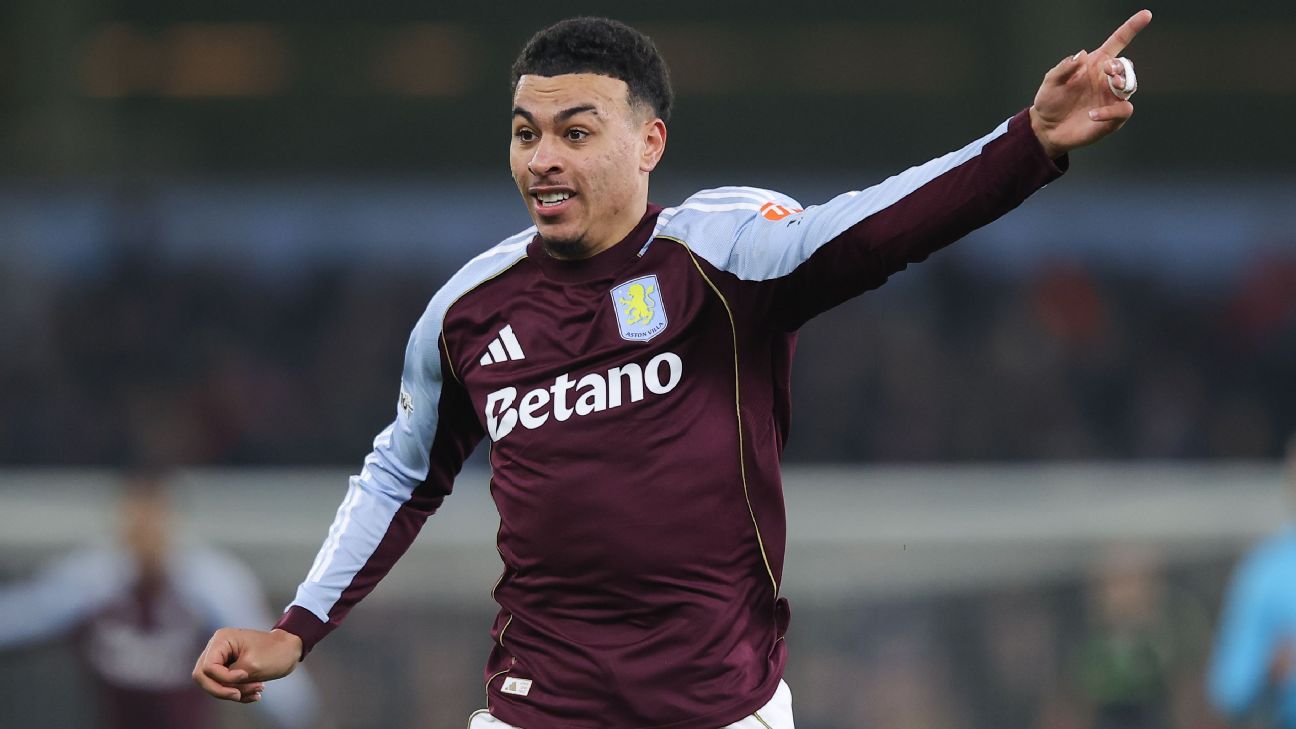
Chelsea Football Club, a historical giant in the Premier League, has set its sights on one of Aston Villa’s rising stars, Morgan Rogers. The 23-year-old attacking midfielder is creating a buzz not just at Villa Park but across the footballing world. As multiple top clubs express interest in securing his services, Rogers has popped up on the radar of several teams, notably Manchester United, Arsenal, and Manchester City. The competition is fierce, but Chelsea believes Rogers could develop into a player of international repute, someone who could help them reclaim their status at the top of English football.
The interest in Rogers is not unwarranted. Known for his creativity, agility, and a knack for finding the back of the net, he has proven himself capable of maintaining high performance levels. Reports indicate that Chelsea perceives him as a dual playmaking threat, capable of executing high-pressure plays that could turn a game on its head. Yet, Aston Villa is reportedly seeking a staggering fee of over £100 million, underscoring Rogers’ market value in today’s football climate. This asking price reflects not just his talent but the financial motivations entwined with the transfer dynamics in the Premier League.
While Chelsea could play a pivotal role in Rogers’ potential future, their strategy will involve negotiating carefully against a backdrop of rival interests. The tactical fit with Chelsea’s current lineup will be a focal point, given manager Mauricio Pochettino’s penchant for flexible and dynamic attacking football. If Chelsea succeeds in their pursuit, they may not only augment their squad but also make a significant statement in the ongoing transfer market, showcasing their ambition to return to their glory days.
Barcelona’s Move for Marcus Rashford: A New Era in Attack?
On the flip side of the transfer market frenzy lies FC Barcelona, who have reportedly decided to secure Marcus Rashford’s talents from Manchester United. After a successful loan spell, the Catalan giants are set to activate a €30 million option clause in his contract, planning a three-year deal at Camp Nou. Barcelona’s pursuit of Rashford underscores their belief that his continued form, which has seen him contribute to 23 goals in just 33 matches, makes him indispensable to any top club aiming for domestic and European dominance.
For Barcelona, Rashford symbolizes more than just a prolific goal-scorer; he personifies pace, skill, and a relentless work ethic. His style aligns perfectly with the club’s tradition of nurturing attacking flair while remaining effective on the counter. The combination of talent in the ranks, coupled with Rashford’s experience in high-pressure situations, makes this acquisition particularly appealing. Adding Rashford to the squad not only boosts their front line but also reshapes their attacking strategies as they pivot towards a more dynamic gameplay approach.
The impending deal is set against a backdrop of ongoing adjustments at Barcelona. With the club having undergone a transformation in management and philosophy in recent years, bringing in Rashford can be seen as a cornerstone in a larger vision aimed at reclaiming their position as Europe’s elite. His versatility would allow for experimentation in various tactical formations, thus enhancing Barcelona’s arsenal in their quest for La Liga and Champions League excellence.
Expanding the Transfer Landscape: EPL Giants on the Move
As the transfer window heats up, other Premier League clubs are also keen on making significant moves. Arsenal’s interest in Borussia Dortmund’s left-back Daniel Svensson showcases their ambition to solidify their defense. Reports suggest Dortmund is open to a substantial offer of around £26 million, setting the stage for a summer bidding war. This potential acquisition highlights Arsenal’s commitment to fortifying their squad in preparation for an upcoming season where title aspirations loom large.
Additionally, interest in players like Darwin Núñez from Flamengo and Weston McKennie from Juventus reflects the broader shifts within squad strategies across leagues. Each club’s pursuit of particular players illustrates their unique needs and future objectives, as well as the financial gambits in play. For instance, Flamengo’s inquiry into Núñez shows their eagerness to strengthen their attacking line, while Inter Milan’s consideration of McKennie suggests a desire to enhance their midfield depth.
Moreover, the interconnectedness of the current market is significant. Clubs in the Premier League and Serie A are closely monitoring each other’s movements, leading to a dynamic where every deal potentially alters another club’s strategy. The ripple effects of these choices can create a cascading effect, resulting in either a frenzied transfer deadline or a calculated chess match conducted over months.
The Bigger Picture: Financial Implications and Player Dynamics
What makes this transfer window particularly fascinating is the underlying financial implications. As clubs assess their fiscal strategies, the astronomical fees being discussed reflect a broader trend in football economics. The amounts being quoted for players like Morgan Rogers and Marcus Rashford indicate a willingness to invest heavily in proven talent, despite potential financial repercussions. Clubs like Chelsea and Barcelona are banking on their investments yielding substantial returns through not only improved performance on the pitch but also increased commercial value.
The dynamics of offers and fees encapsulate a modern football environment where player power is at its zenith. With young talent like Rogers becoming the ‘new currency’ in football, existing clubs face pressing questions about how best to leverage their assets while curating a squad ready to tackle both domestic and European competitions head-on.
Additionally, how clubs manage relationships with their existing talent amid fierce competition for signings can pose challenges. For instance, players at clubs like Aston Villa might feel the pressure of losing a key figure like Rogers, creating a potential rift if not managed carefully. Clubs will have to navigate these intricacies to ensure that team morale and cohesion remain intact even as they look to bolster their ranks.
In this hectic transfer landscape, each deal echoes a broader narrative about where football is heading, both on and off the pitch. As we witness these movements, it becomes increasingly clear; the coming months will shape the destinies of clubs and stars alike, ultimately defining the next chapter in global football.