

VAR Analysis: What Led the Referee to Overlook VAR’s Recommendation in Man City vs. Wolves?
Video Assistant Referee (VAR) technology consistently generates discussions and debates in the Premier League. Each week, fans, players, and pundits grapple with its implications, often questioning the correctness of decisions made on the pitch. This season, we delve into major VAR incidents, examining both the protocols at play and how they align with the Laws of the Game, guided by insights from experienced officials.
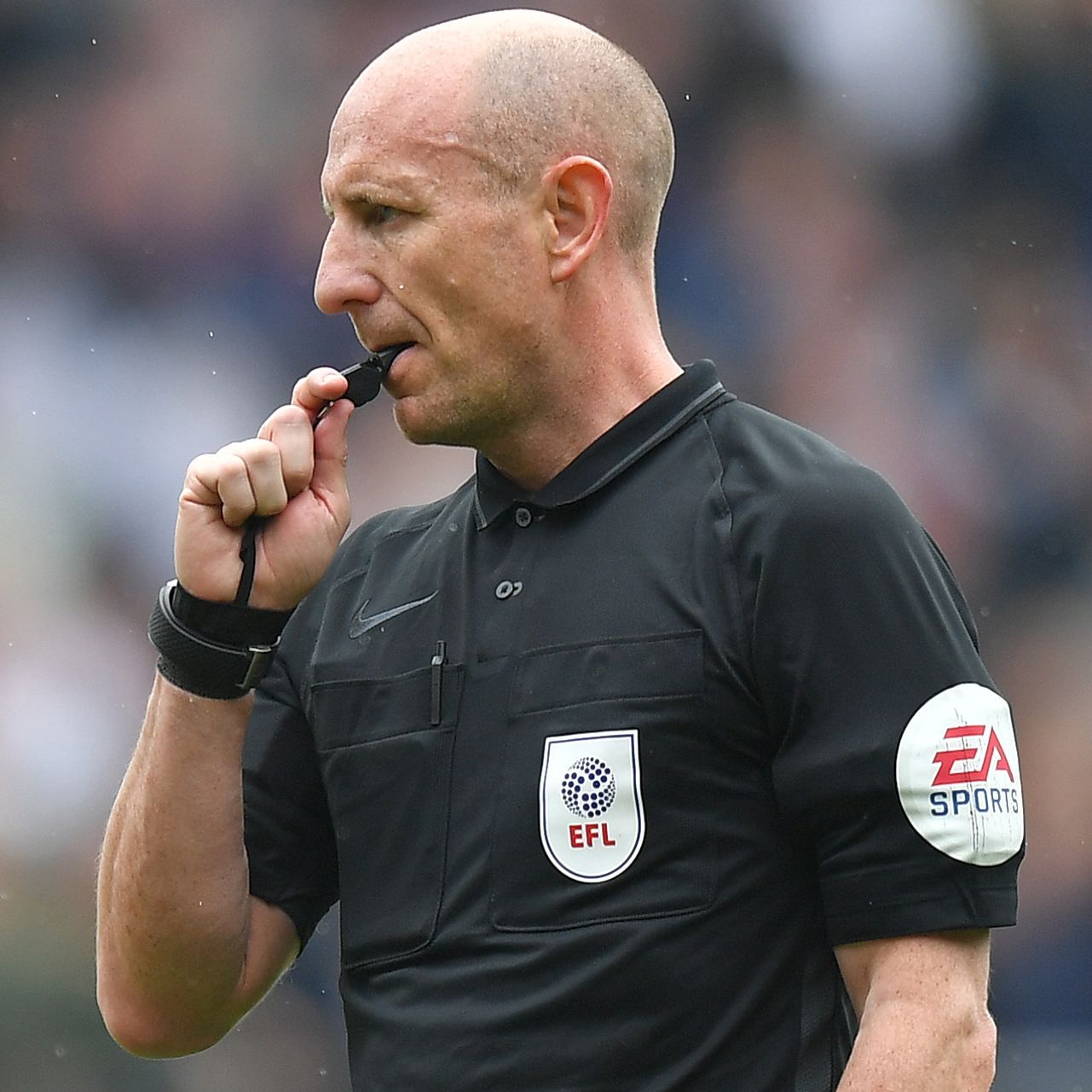 Andy Davies (@andydaviesref) is a former Select Group referee with over 12 seasons on the elite list, working across the Premier League and Championship. His profound experience within the VAR space offers a unique perspective on the protocols, rationale, and overall execution during matchdays.
How VAR Decisions Are Made
The process of VAR is intricate, relying on a combination of technology and human judgment. When a contentious incident occurs — whether involving a potential penalty, offside, or a red card — the on-field referee can consult with the VAR official. Observing multiple camera angles and data in real-time, the VAR advises the referee on whether to uphold the original decision or review the incident personally.
For example, in a recent match featuring Manchester City and Wolverhampton Wanderers, referee Farai Hallam faced a decision regarding a handball claim against Wolves defender Yerson Mosquera. Initially, play proceeded without intervention, but VAR Darren England suggested a review due to Mosquera’s arm position being deemed unnatural. Ultimately, Hallam maintained his original decision of no penalty, showcasing the complex interplay between instincts and technology in officiating.
Real-World Incident Analysis
Let’s break down two significant cases that spotlight the nuances of VAR decisions. In the Manchester City vs. Wolves match, the essence of the incident revolved around whether Mosquera’s outstretched arm constituted a handball. The discussions intensified when Hallam, after consulting the monitor, chose not to reverse his decision despite the VAR’s recommendation.
This choice raised eyebrows and highlighted the emotional weight of such decisions for debut referees. Hallam’s eventual stance emboldened many, yet invited questions regarding the accuracy—given the arm’s position became critical from the perspective of the Laws of the Game. As Andy Davies noted, under current guidelines, this was indeed a handball offense, and the penalty should have been awarded.
Shifts in Handball Law Interpretation
Another instance worth dissecting involves Chelsea’s match where Crystal Palace’s Jaydee Canvot committed a handball that initially went unpunished. Following VAR’s intervention, referee Darren England reviewed the incident at the pitch side and determined that although Canvot’s action was accidental, a penalty was warranted.
This situation emphasizes the evolving interpretation of handball laws. Previous seasons would have mandated a red card for such actions that deny an obvious goal-scoring opportunity, regardless of intent. However, altered regulations now allow for yellow cards in accidental scenarios while still awarding penalties. This shift not only reflects a more nuanced understanding of the game but also preserves fairness in decision-making.
The Broader Impact on the Game
The implementation of VAR and its surrounding protocols have undeniably altered the dynamics of the game. On the one hand, it seeks to enhance accuracy in officiating, ensuring that critical moments are not decided in haste or error. On the other hand, it subjects officials to intense scrutiny and discusses the subjective nature of certain calls, like handball decisions.
Through the lens of the incidents discussed, one can observe the delicate balance referees must strike; they must make decisions based on immediate instinct while also integrating technological input. As VAR continues to mature, finding harmony within its framework is crucial for the game’s integrity. Striking this balance without compromising the fluidity of football remains a challenge for officials and leagues worldwide.