2026 FIFA World Cup: Structure, Teams, and Additional Information
The 2026 FIFA World Cup: A Comprehensive Overview
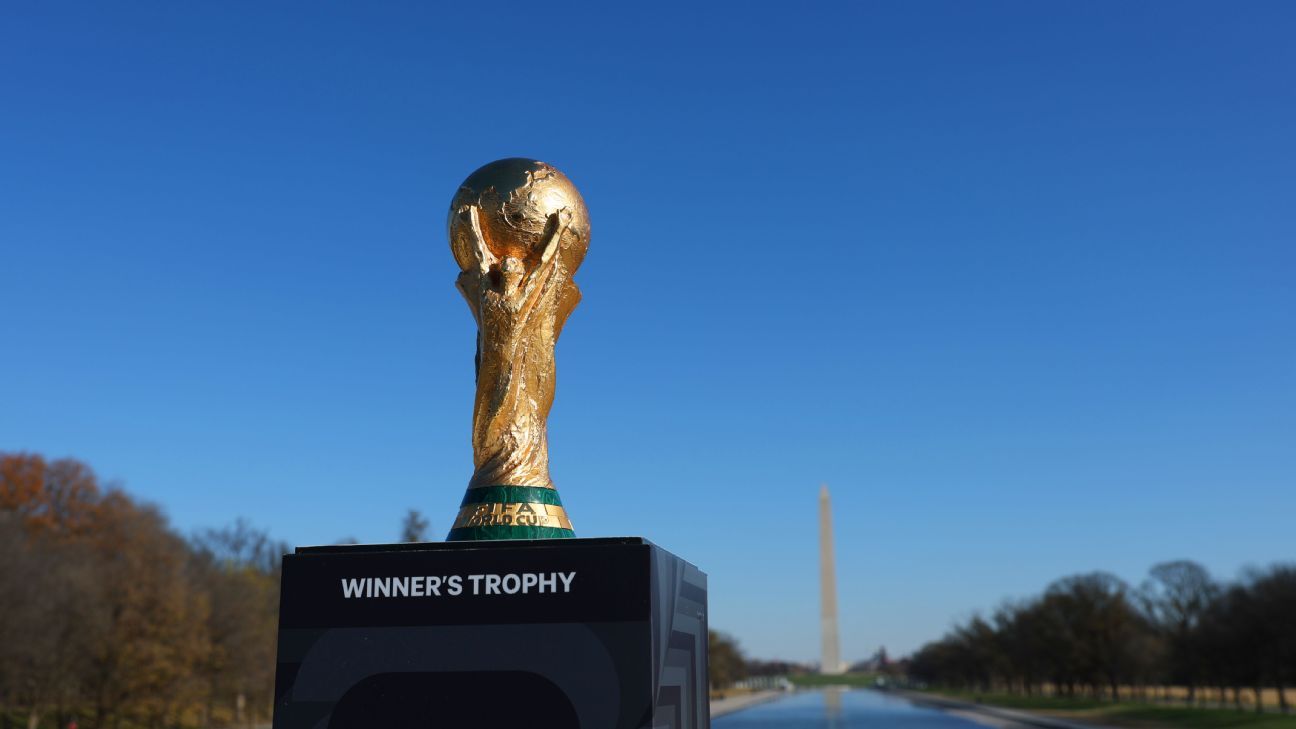
The excitement for the 2026 FIFA World Cup is building as the tournament approaches, set against the vibrant backdrops of the United States, Canada, and Mexico. This monumental event marks the first time the World Cup will be hosted by three nations, and it’s shaping up to be a historic occasion that expands the tournament format significantly from previous editions. Here’s everything you need to know about this international football extravaganza.
Tournament Format and Group Structure
The 2026 World Cup will break new ground by featuring an expanded format that incorporates 48 teams, a jump from the prior 32-team structure. The teams will be divided into 12 groups consisting of four teams each. Each squad is slated to play three matches in the group stage, facing every other team in its group. Based on their performance, the top two teams from each group—along with the eight best third-placed teams—will advance to the knockout stage.
This knockout stage will consist of a series of intense elimination matches that culminate in the crowning of a champion. Unlike earlier tournaments where only 16 teams progressed, this new format introduces more drama and excitement, allowing for a total of 32 teams battling for glory in the last elimination rounds. As in previous tournaments, if a match concludes with tied scores, 30 minutes of extra time will ensue, followed by a penalty shootout if necessary.
Navigating the Groups and Tiebreakers
With the group allocations officially set, fans are eager to see how their favorite teams stack up against the competition. To keep the tournament dynamic and engaging, understanding how group standings are determined can spell the difference between jubilation and heartbreak for supporters. Points are awarded for wins and draws, but when teams find themselves tied at the end of the group matches, a series of tiebreakers come into play.
Initially, the teams will be assessed based on the points accumulated in their matches against each other, followed by goal differences and total goals scored within that head-to-head context. If the deadlock continues, overall metrics come into effect, including goals across all group matches and conduct scores based on fair play. The FIFA world ranking may also be a deciding factor for any teams that remain in a stalemate, ensuring a comprehensive approach to determining standings.
Understanding the Knockout Stage Dynamics
As the tournament transitions to the knockout stage, the excitement reaches fever pitch. This stage, characterized by its winner-take-all nature, promises to be a battle of endurance, strategy, and skill. The matchups are determined by the teams’ placements in the group stage, and this can lead to thrilling clashes featuring football powerhouses and underdogs alike.
To add to the suspense, the tournament’s format allows for the emergence of strong third-placed teams, which adds a layer of unpredictability. These teams will vie for advancement based on their group-stage performances, bringing more narratives to the matches. Fans can anticipate nail-biting moments, especially in tightly contested knockout matches where the stakes are high and every goal could alter the course of history.
The Match Schedule: Mark Your Calendars
Fans worldwide are already eyeing the match schedule with anticipation. The tournament kicks off on June 11, 2026, with the first matches setting the stage for what promises to be an unforgettable month of football. The schedule is packed with compelling clashes, showcasing global talent and compelling nation-versus-nation rivalries.
From the initial group stage matches to the climactic final on July 19 in East Rutherford, New Jersey, every match will be infused with national pride and competitive spirit. The allure of seeing teams like Brazil, Germany, and Argentina facing off against rising football nations presents a unique opportunity for fans to witness history in the making. Each match could be a potential classic, laden with drama, emotion, and breathtaking athleticism.
The 2026 FIFA World Cup emerges as a unprecedented celebration of football that promises to enthrall fans while fostering a spirit of unity across borders. With its revamped format, exciting matchups, and an impressive schedule, it guarantees to deliver moments that will be cherished for generations. Prepare for a month of exceptional football as the world sets its sights on this landmark event in international sports.