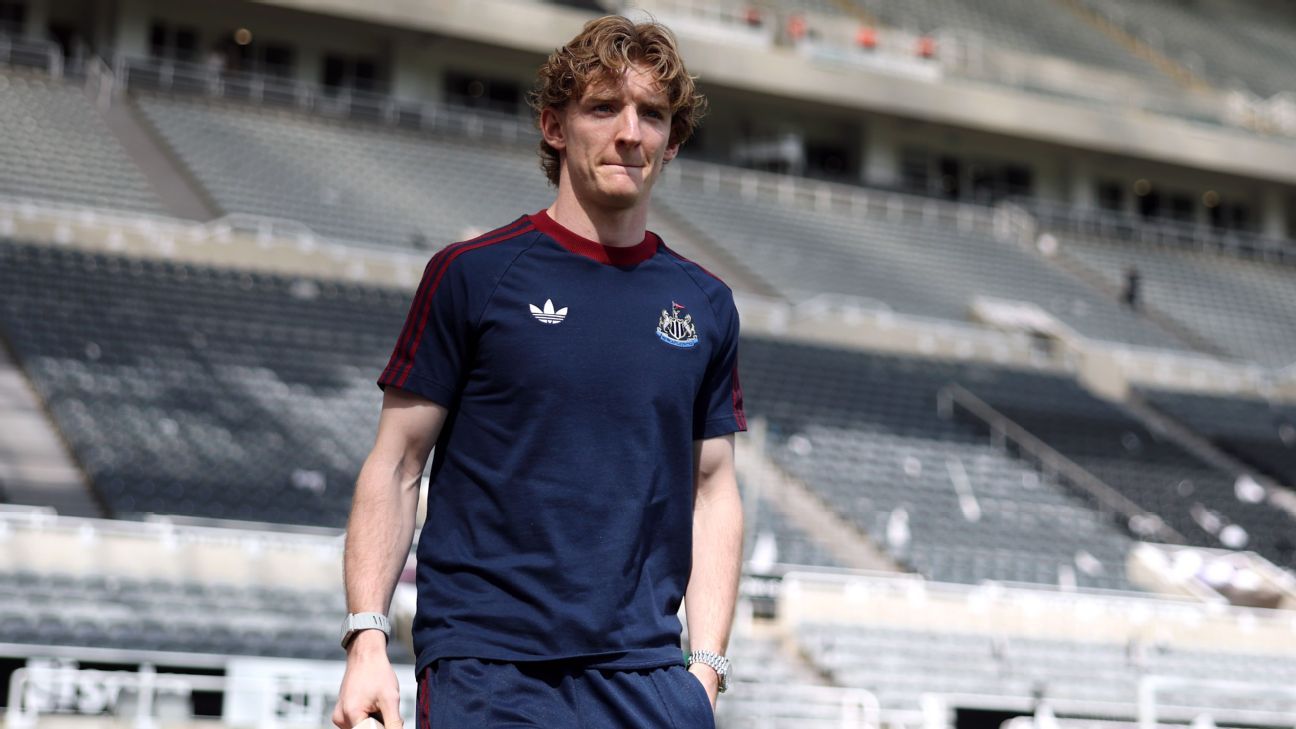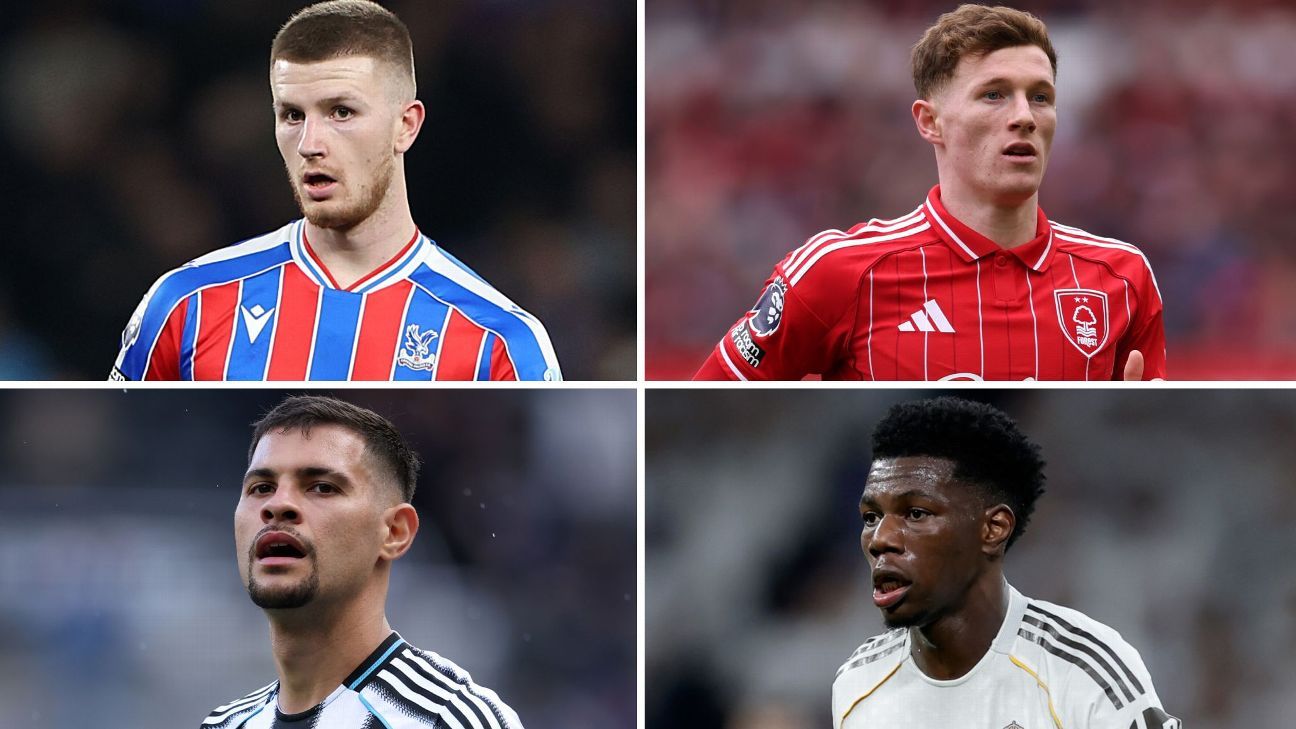
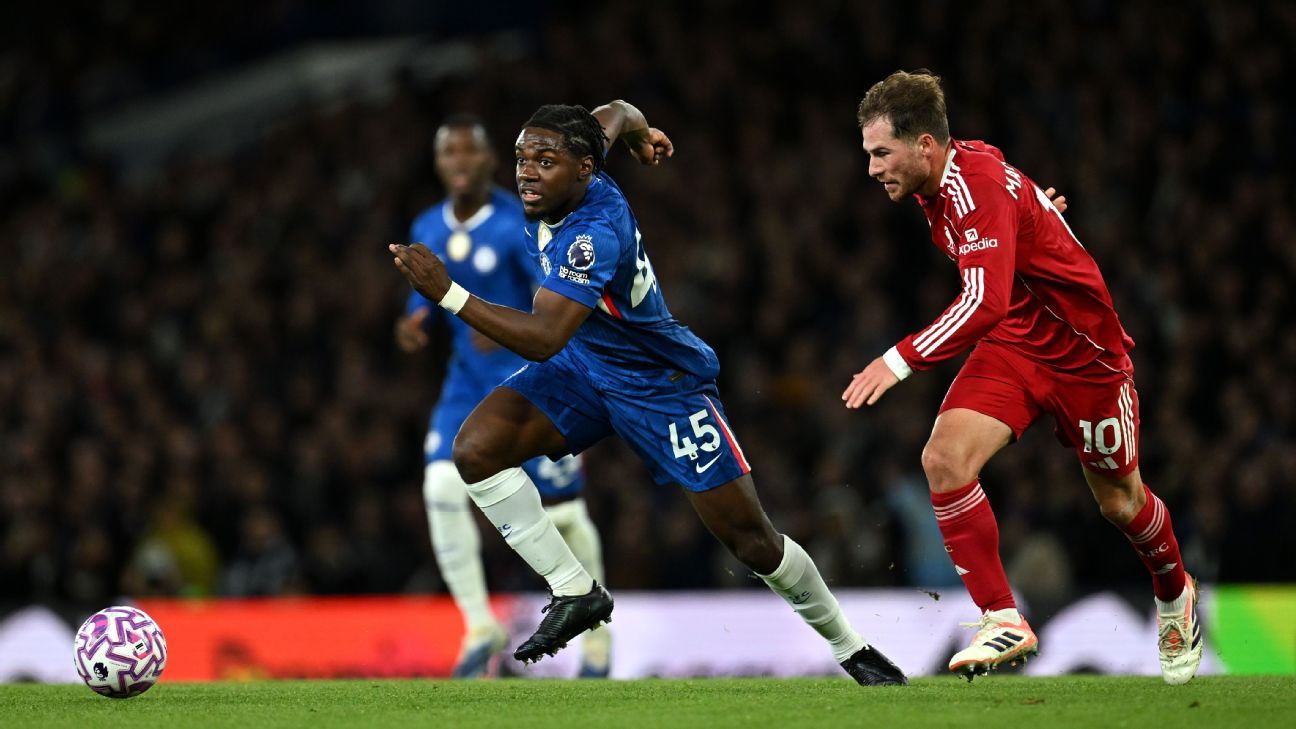
Man United turned down Chelsea’s offer involving Lavia and Nkunku for Garnacho, according to sources.
Manchester United’s Strategic Decisions: Declining Chelsea’s Player Swap Proposal
On November 18, 2025, reports emerged that Manchester United had turned down an offer from Chelsea, which included either midfielder Romeo Lavia or forward Christopher Nkunku as part of the deal involving Alejandro Garnacho. The 21-year-old forward completed his move to Stamford Bridge for a substantial fee, leaving fans and pundits alike to ponder Manchester United’s transfer strategy and their approach to player management. This decision highlights not only the dynamics between two historic rivals in the Premier League but also the complex considerations that clubs must grapple with during transfer negotiations.
The Garnacho Transfer Saga
Alejandro Garnacho’s journey from Manchester United to Chelsea has been tumultuous. Once seen as a rising star within United’s ranks, Garnacho found himself falling out of favor under coach Ruben Amorim. The financial stakes were evident, with the transfer finalized for £40 million ($52.62 million) just before the summer window closed. This move is indicative of United’s need to shed players who no longer fit into their tactical plans, even if it means letting go of young talents who had previously shown great promise. With over £225 million spent on new signings this summer, including notable additions like Matheus Cunha, Bryan Mbeumo, and Benjamin Sesko, it’s clear that United aimed to revamp their squad and inject fresh energy into their campaign.
Chelsea’s Interest in Lavia or Nkunku
In pursuit of strengthening their squad, Chelsea extended an intriguing proposal to Manchester United, suggesting the inclusion of Romeo Lavia or Christopher Nkunku in exchange for Garnacho. This move could have offered United a chance to bolster their midfield or attacking options, particularly given that they have been on the lookout for reinforcements in these areas. Lavia, a promising talent, has faced challenges with injuries since joining Chelsea, causing concern about his long-term viability. On the other hand, Nkunku had his share of fitness issues as well, struggling to find form after his transfer from RB Leipzig.
This begs the question: why did United ultimately decide to walk away from such an offer? The club’s management appeared skeptical about committing to players with questionable fitness records, particularly Lavia, who, despite his talents, has missed over 75 matches in his relatively short career. Their hesitance indicates a broader strategy focused on securing not just talent but also player reliability.
Evaluating Romeo Lavia’s Potential
Romeo Lavia’s history at Chelsea offers substantial insights into why United might have rejected the swap. After arriving from Southampton amidst a flurry of spending by Chelsea, Lavia has faced ongoing injury struggles, which limited him to just 31 appearances since his move. He has yet to complete a full game for the club, and with a current quadriceps injury keeping him on the sidelines, the uncertainty surrounding his fitness makes him a risky proposition.
While Lavia possesses undeniable potential—with flashes of brilliance on the pitch—his inability to maintain consistent game time raises red flags. If United were looking to strengthen their midfield, it would be imperative for them to secure players who could contribute regularly rather than gamble on someone whose circumstances resemble a long-term project still in flux.
The Other Offer: Nkunku’s Availability
Similar considerations could be made regarding Christopher Nkunku, who was also offered to United but ultimately made his move to AC Milan. The French forward, much anticipated due to his previous performances in the Bundesliga, found it challenging to replicate that form in the Premier League, experiencing injury setbacks that stifled his impact during his time in England. United’s management must have weighed the potential benefits of acquiring Nkunku against the backdrop of his inconsistent performances and fitness challenges.
With both players’ injury histories posing valid concerns, it seems that United’s leadership is intent on making calculated decisions aimed at building a more robust squad. This becomes particularly essential in a league as competitive as the Premier League, where depth and reliability on the roster can make all the difference.
Looking Ahead: Upcoming Fixtures and Squad Goals
With the transfer window long closed, the current focus for both clubs shifts towards upcoming fixtures. Chelsea is set to face Burnley, while Manchester United will host Everton. Both matches take on added significance as United looks to establish momentum following a summer of significant investment. The fortunes of players like Garnacho and the decision to forego medium-risk options like Lavia and Nkunku may directly influence how both clubs navigate the latter part of the season.
As the landscape of English football continues to evolve, the tactical decisions made in boardrooms often resonate through the on-field performances. For Manchester United, striking that balance between talent acquisition and reliable fitness will be crucial as they aim to re-establish themselves among the elite clubs in England and Europe.