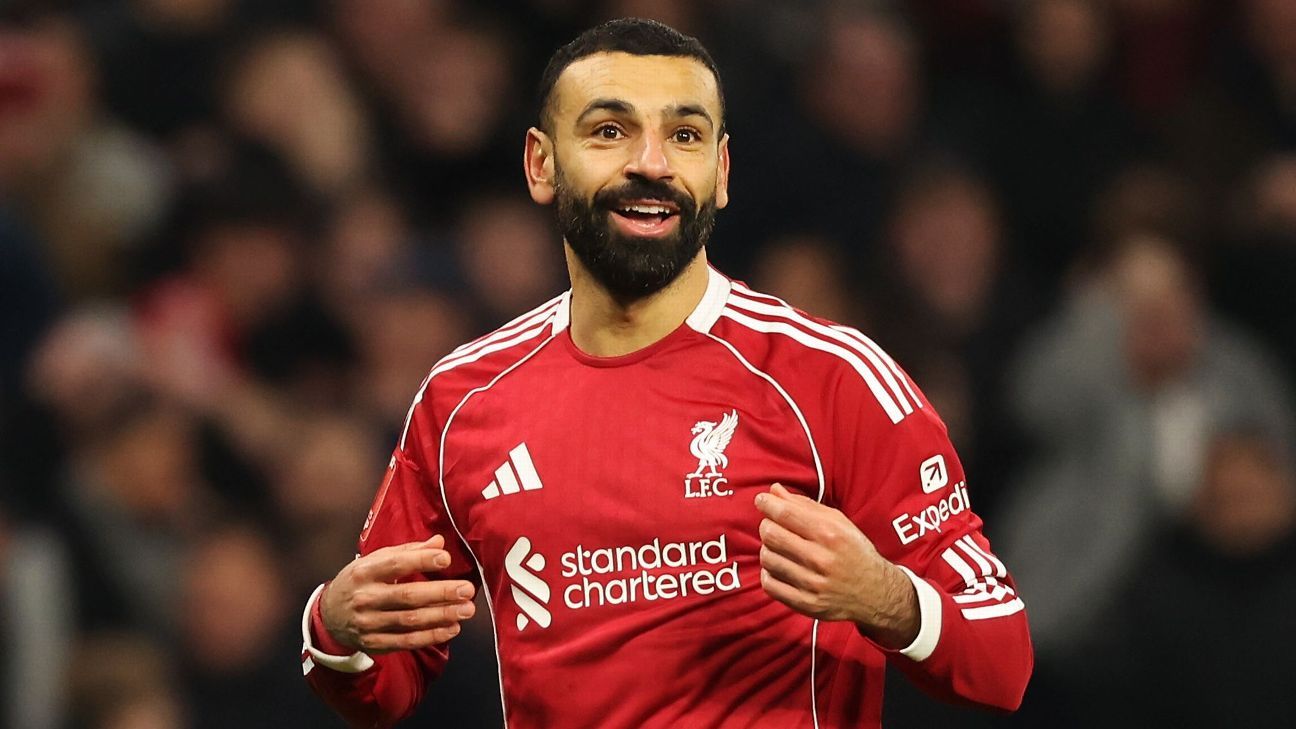

Yamal, Güler, and Neves Headline Top U21 Men’s Soccer Talent
The Talent Landscape: A Shift in Young Players and the English Premier League
The English Premier League (EPL) has long been a hub of global football talent, attracting players from across the world with its competitive allure and financial resources. However, a recent analysis by ESPN revealing the top 39 players aged 21 and under indicates a surprising trend: of the top 13 players in that age bracket, only one hails from the EPL. This raises pivotal questions about how clubs, such as Chelsea, have shifted their focus in scouting and signing promising young talent.
The Changing Dynamics of Talent Acquisition
Clubs like Chelsea have invested millions in acquiring the most promising young players, yet their success in integrating these talents into the EPL remains under scrutiny. The current list highlights players predominantly from other leagues, shining a light on a potential paradigm shift. For instance, while personalities like Jude Bellingham and Xavi Simons have excelled abroad, English clubs may be struggling to cultivate similar talents domestically.
The statistics reflect a growing trend: scouting networks have expanded globally, with clubs casting their nets wider in regions such as South America, Africa, and Asia in search of the next big stars. Moreover, scouting techniques have evolved, involving more sophisticated analysis, algorithms, and data analytics to identify young talents performing on international stages—sometimes leaving local talent unnoticed.
Young Talent Across the Globe
In the latest ESPN rankings, several young stars from leagues outside of England have made the cut, each showcasing their unique abilities that promise to redefine football in their respective countries. For example, players like Diego Ramos (Bayern Munich) and Alphonse Kouadio (Barcelona) have excelled due to their technical skills and adaptability on the pitch, indicating that while the EPL remains a coveted destination, emerging talents may prefer leagues where they can receive regular first-team opportunities.
The changing landscape calls for a deeper examination of how the English Premier League can support young talent. Would alliances with clubs in other countries improve player development, or would it be more beneficial for EPL clubs to invest in local academies to cultivate talent from a young age?
The Profile of the Modern Young Player
With the existence of diverse playing styles across global leagues, the attributes that young players exhibit have evolved dramatically. The modern young player is expected to possess not only technical excellence but also a high tactical intelligence. Tor-Kristian Karlsen, ESPN’s resident scout, notes that attacking players dominate the rankings primarily due to the natural progression within teams, as forwards often receive more opportunities at younger ages compared to defenders or goalkeepers.
Additionally, prevalent styles in European football, such as counter-attacking and possession-based play, require young players to balance creativity and discipline. Clubs need to focus on developing players who can adapt to various formations and strategies to become versatile assets.
An Eye on Development: How Clubs Are Adapting
As the football landscape evolves, clubs must adapt to remain competitive. Traditional academies are beginning to incorporate programs emphasizing physical training, mental resilience, and psychological assessments to better prepare young players for the challenges of professional football. This holistic approach aims to nurture not just skilled footballers but well-rounded athletes capable of thriving in a pressured environment.
The EPL’s response to these challenges may hold the keys to sustaining its status as a premier league. Enhancing scouting networks, fostering partnerships with lower leagues, and ensuring competitive play for emerging talents could create a more robust development ecosystem that addresses the gaps currently evident in the talent pool.
In conclusion, as the analysis of young players suggests a shift in the origins of football talent, the English Premier League must reconsider its approaches to scouting, nurturing, and integrating young talents. The answer may lie not only in who leaps into the limelight today but also in how the league prepares for the superstars of tomorrow.