World Cup Draw: Analyzing Argentina, Brazil, and CONMEBOL’s Prospects for Victory
South American Teams in the FIFA World Cup: A Legacy of Success
The FIFA World Cup is more than just a tournament; it’s a spectacle that showcases national pride, cultural diversity, and, for South American countries, a legacy marked by stunning triumphs. The stadiums of North America have been a consistent backdrop for South American success stories, particularly with Argentina and Brazil lifting the trophy during their past appearances. With the excitement building for the 2026 World Cup scheduled to unfold in Canada, Mexico, and the U.S., it’s time to delve into the prospects of South America’s footballing giants as they set their sights on glory once more.
Historical Context: Success on North American Soil
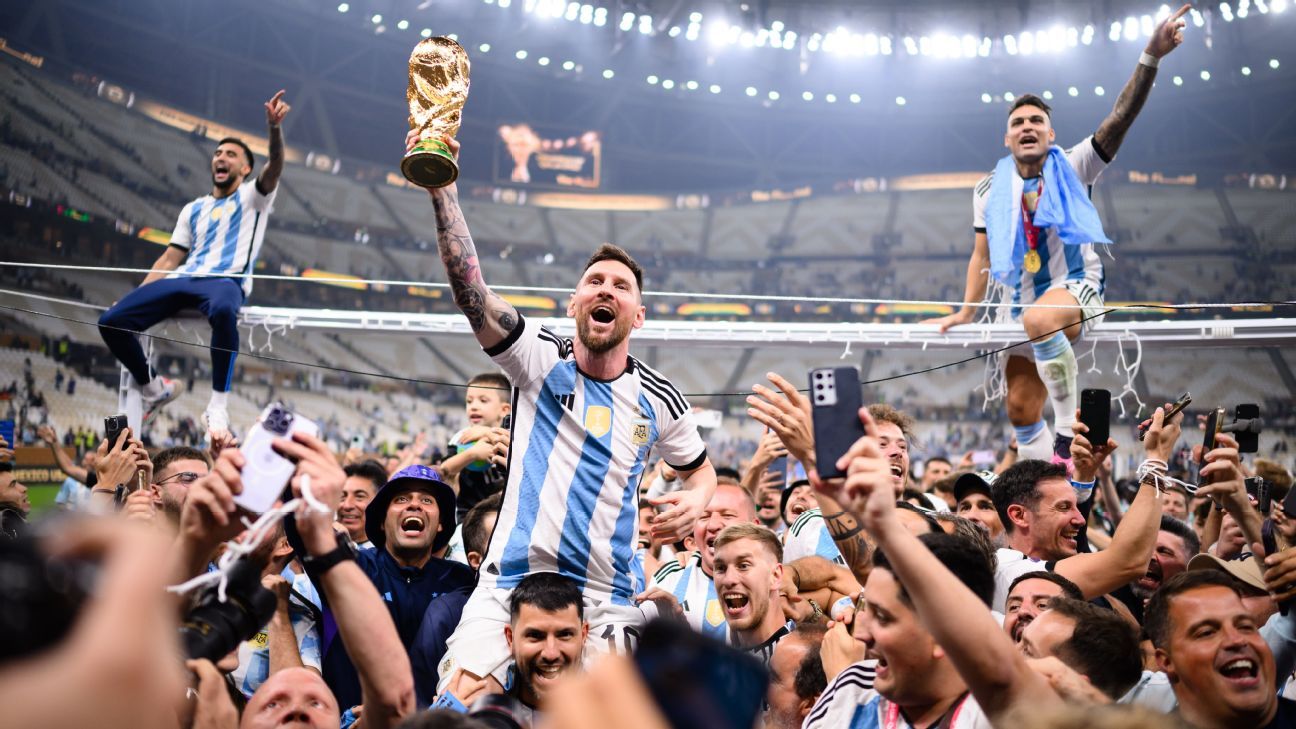
History has shown that whenever the World Cup is held in the Concacaf region, the championship trophy tends to make its way southward. Brazil triumphed in Mexico during the iconic 1970 tournament and again in the U.S. in 1994. Argentina, on the other hand, seized victory in 1986, capitalizing on the magic of Diego Maradona. These victories didn’t merely reflect successful campaigns; they resonated deeply within the cultural identity of these nations, showcasing football as a unifying force. The upcoming tournament presents another opportunity for these storied teams to build on this legacy, with Lionel Scaloni steering the Argentine ship and a rejuvenated Brazilian squad ready to rise again.
Current Form: Argentina’s Quest to Retain the Title
Lionel Scaloni brings an air of confidence as he leads the defending champions into the next World Cup. Since securing the trophy in Qatar, the Argentine squad has only gained momentum, cruising through the qualification rounds while also clinching the Copa América. Scaloni’s strategic brilliance has fostered a team that no longer relies solely on Lionel Messi. Emerging talents like Thiago Almada and Julián Álvarez are making strides, providing a diverse attacking front that raises hopes for another successful campaign.
However, balancing this optimism are notable challenges. The absence of a player of Ángel Di María’s caliber, known for his versatility and knack for clutch performances, is telling. Even more concerning is the defensive fragility the team displayed during their World Cup run last year, which could become a liability in higher-stakes matches. While Argentina’s group matches seem manageable—against Algeria, Austria, and Jordan—there lurks the risk of a premature clash with Spain if they fail to secure top positions. Scaloni’s decisions in group stages will be pivotal in determining their path to further glory.
Brazil’s Road to Redemption
Brazil enters the fray with a new tactician, Carlo Ancelotti, who seeks to mold a cohesive unit capable of breaking a 24-year World Cup drought. Historically imagined as the footballing juggernauts with abundant attacking talent, Brazil’s style requires a careful balance to maximize their offensive flair while ensuring defensive solidity. The rekindled partnership between Vinícius Júnior and Rodrygo may exploit defenses to their limits, but questions linger on how well the defensive strategy can withstand challenges from equally aggressive opponents.
The team’s opening match against Morocco could prove pivotal, especially considering Brazil’s prior defeat to the same side during friendly encounters. A strong group showing could set the stage for dramatic knockout encounters against heavyweights like Mexico or England, and reviving the spirits of Brazilian football following the tumult of past years could be the key to unlocking their potential.
The Surging Colombian and Ecuadorian Contingencies
While Brazil and Argentina have dominated conversations surrounding South American football, Colombia and Ecuador present compelling narratives as they prepare for 2026. Colombia aims to shake off the dramatic memories of USA ’94 and reclaim their status as serious contenders. Under the management of Néstor Lorenzo, the squad is riding a wave of momentum, instilling belief ahead of a challenging group featuring Portugal and Uzbekistan. However, relying heavily on stars like James Rodríguez and Luis Díaz raises the stakes, as depth may be their Achilles’ heel in high-pressure situations.
Ecuador introduces a contrasting profile, showcasing defensive integrity over flamboyance. Their incredible run of form, marked by an unbeaten streak in qualifications, highlights a robust backline that needs to translate this success into goals—a historical challenge for this squad. Navigating through their group, which includes the likes of the Ivory Coast and Germany, could potentially position Ecuador as a dark horse, provided they find the scoring touch to complement their defensive prowess.
In summary, the upcoming FIFA World Cup in North America is poised to be a theater for South America’s elite, with its traditions of excellence and competitive spirit at stake. As the tournament unfolds, fans worldwide will be watching closely, hoping to witness a continuation of South America’s rich footballing legacy.