World Cup Could Implement Countdown Timers for Throw-Ins and Goal Kicks to Improve Game Pace
Innovations in Football: Enhancing Tempo and Fair Play in the Game
As the anticipation builds for the upcoming World Cup in North America, football enthusiasts are buzzing with excitement, not just for the matches themselves but for the potential changes that might elevate the game. The International Football Association Board (IFAB), the game’s lawmakers, are considering several innovative measures aimed at maintaining the flow of matches and enhancing the overall spectator experience. The introduction of countdowns on throw-ins and goal kicks, coupled with strict limits on substitutions, promises to transform how we watch football.
The Countdown Revolution: Keeping the Game Flowing
One of the most discussed potential changes is the implementation of time limits for various set plays. Currently, when the game stops for a goal kick or to reset a throw-in, teams often take their time, leading to disruptions in momentum. Under the proposed rules, referees would have the authority to enforce a five-second countdown for both goal kicks and throw-ins if they feel a player is lingering too long. This shift is aimed at minimizing time-wasting tactics that can frustrate fans and disrupt the natural rhythm of the game.
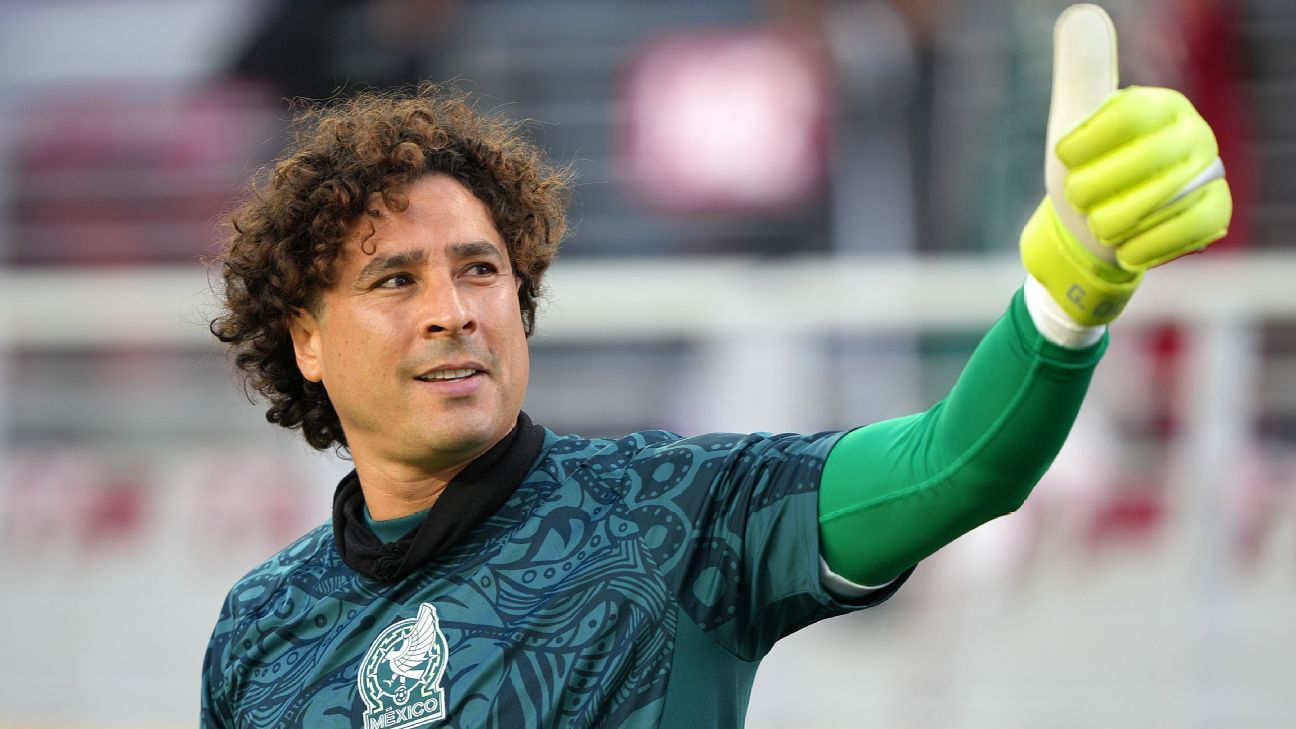
Additionally, the noticeable reception of an eight-second limit for goalkeepers to release the ball from their hands has set the stage for these further innovations. David Elleray, the IFAB’s technical director, has indicated that these adaptations could indeed be trialed during the World Cup, which could redefine match tempo and introduce a more dynamic style of play.
Reshaping Substitution Procedures
Traditionally, substitutions have been a tactical tool for coaches, but they have increasingly become a method for teams to manipulate match pace. To counteract this, the proposed regulations suggest a strict ten-second time limit for substitutions, with implications for violating this stipulation. If a substitute fails to enter the field in the allotted time, they could be barred from participation for a period—potentially up to a minute. This measure aims to eliminate the strategic slowdowns that teams often employ, particularly when trying to protect a lead or disrupt the opponent’s momentum.
Furthermore, injured players might face mandatory time off the field, diminishing the potential for teams to exploit injuries for tactical advantages. These tweaks emphasize a collective desire among football’s governing bodies to enhance the fairness of gameplay while ensuring that fans enjoy a continuous spectacle rather than prolonged stoppages.
Expanding VAR Technologies: Enhancements for Fair Play
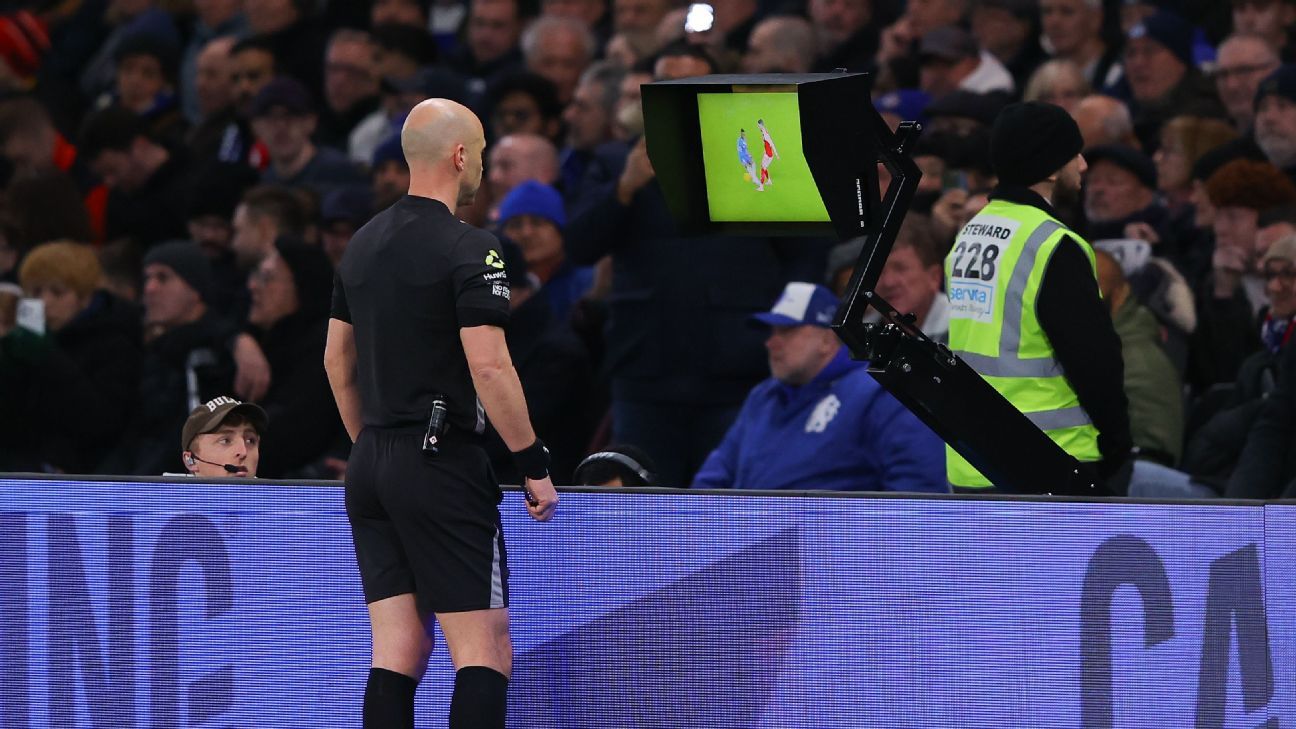
As football has evolved, so too has the technology employed to ensure fair play, notably with the introduction of the Video Assistant Referee (VAR). During a recent IFAB meeting, there was significant discussion about expanding VAR capabilities, specifically in situations involving red cards resulting from incorrect second yellow cards and penalties incorrectly assigned to teams. If these measures come to fruition, they would further support the integrity of the game.
Interestingly, there is also a proposal for VAR to review corners—a contentious area that could change the way set plays are monitored and analysed. While FIFA’s referees’ chief, Pierluigi Collina, is an advocate for these measures, opinions vary across different leagues globally. Nonetheless, introducing the possibility of VAR involvement in corner situations reflects a commitment to ensuring proper officiating standards and offering clarity to fans and players alike.
The Future of Offside Laws: Embracing the ‘Daylight’ Concept
Offside laws have long been a subject of contention and debate, often leading to dramatic moments and emotion-stirring controversies. Former Arsenal manager Arsène Wenger has proposed a radical shift toward a “daylight” standard, where a player would be considered onside if any part of their body capable of scoring is level with the second-last defender. This innovative approach seeks to encourage attacking football and reward forward-thinking plays.
IFAB’s discussions have opened the door for trials of this law, with some leagues, including the Canadian top flight, showing interest in testing the concept. A modified version that sets the offside line at a player’s torso rather than the most advanced part of their body could also be considered. Wenger’s belief that radical changes should be trialled first underscores a willingness within the sport to embrace necessary evolutions, even if they challenge long-held conventions.
As these discussions unfold, it’s clear that football is at a pivotal moment as it seeks to balance tradition with innovation. Fans, players, and coaches alike will be keenly watching how these proposed changes will impact the beautiful game in the forthcoming World Cup and beyond.