
World Cup champion to receive unprecedented $50 million in prize money – FIFA
The Record-Breaking Financial Landscape of the 2026 World Cup
As anticipation grows for the 2026 FIFA World Cup, which will be co-hosted by the United States, Mexico, and Canada, FIFA has made headlines with some staggering figures that are set to redefine the landscape of international football. With a prize pool of $727 million, the financial rewards for the tournament’s participating nations have reached unprecedented heights, marking a new era in football’s global stage.
A Historic Prize for World Cup Glory
The crowning achievement for any national football association at the World Cup has always been the glory of winning. However, the financial incentives attached to that success have now taken center stage. Winning nations will walk away with an eye-popping $50 million as part of the FIFA prize fund, a record for the tournament. This not only underscores the importance of winning but also highlights FIFA’s shift towards making the World Cup financially rewarding for all involved.
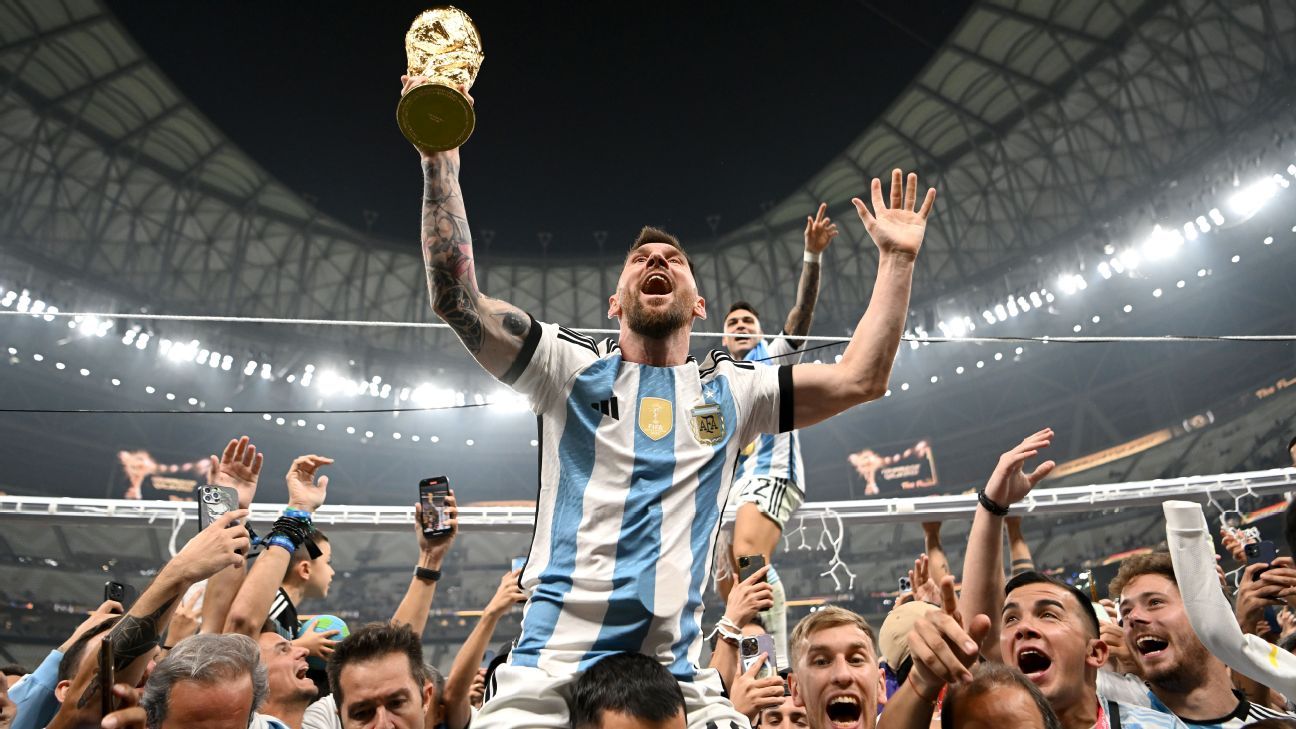
To put this into perspective, consider Argentina’s triumph in the 2022 World Cup, where the nation earned $42 million after a thrilling victory over France. With the 2026 tournament promising a significantly larger payout for champions, the stakes have never been higher. In terms of prize distribution, FIFA plans to allocate $655 million to the competing teams based on their performance. For example, teams eliminated in the group stage will still receive $9 million, while the losing finalists will take home $33 million. Such a structure ensures that no nation truly leaves empty-handed, incentivizing participation and competitive spirit.
Ticket Prices: A Controversial Buildup
While the prize money garners enthusiasm, the lead-up to the tournament has not been without its controversies, particularly regarding ticket pricing. Fans and supporters across the world reacted strongly to the initially proposed ticket costs, prompting FIFA to reassess their pricing strategy. The decision to cut ticket prices for a limited number of entries has been met with relief, especially as some tickets will now be available for as low as $60. This responsive move by FIFA aims to address concerns that the financial barrier could alienate devoted fans who wish to witness their teams compete on the grandest stage.
Nevertheless, discussions around the pricing strategy serve as a reminder of the delicate balance between profit and accessibility in modern sports. As FIFA navigates the complexities of hosting a large-scale event, ensuring fair ticket access remains a top priority, especially in an era where millions are eager to engage with their national teams.
Global Implications and Historical Context
FIFA’s initiative to increase prize money reflects a broader trend in sports where financial stakes continue to rise. This evolution isn’t just about monetary gains for nations; it represents a shift in how football is perceived worldwide. The prize fund announcement, made during the FIFA Council meeting in Doha, Qatar, evokes memories of previous tournaments. Since Italy received $2.2 million for their World Cup victory in 1982, the rise in financial support has paralleled the sport’s global growth and commercialization.
It’s noteworthy that financial prizes are only a small fraction of the overall economic impact of the World Cup. Each tournament brings a surge in tourism, infrastructure development, and international visibility for host nations. With the U.S., Mexico, and Canada jointly hosting, the potential economic boom may exceed traditional expectations, reflecting the growing integration of football into global economic frameworks.
Path to the Tournament
Mark your calendars: the excitement begins on June 11, 2026, when host nation Mexico takes the field against South Korea in Mexico City. This expanded tournament, featuring 48 teams, introduces new dynamics in group play, ensuring that more nations than ever before will participate on the world stage. As teams gear up for competition, not only will players’ skills be put to the test, but national pride will also hang in the balance.
The stage is set for an unforgettable spectacle that promises thrilling matches and nerve-wracking moments, all framed by the historic financial implications that accompany the quest for World Cup glory. FIFA’s efforts to boost financial rewards are a testament to football’s evolution, bridging communities through competition while revolutionizing the economic landscape of the sport. As the countdown begins, the world’s attention will undoubtedly focus on the excitement that awaits in 2026.
Related Posts

Ways for Wales, Northern Ireland, and the Republic of Ireland to secure qualification for the 2026 World Cup through European playoffs: Path, challenges, and upcoming group scenarios.

Premier League forward and former Netherlands defender’s nephew selected by Suriname for World Cup qualifying matches.