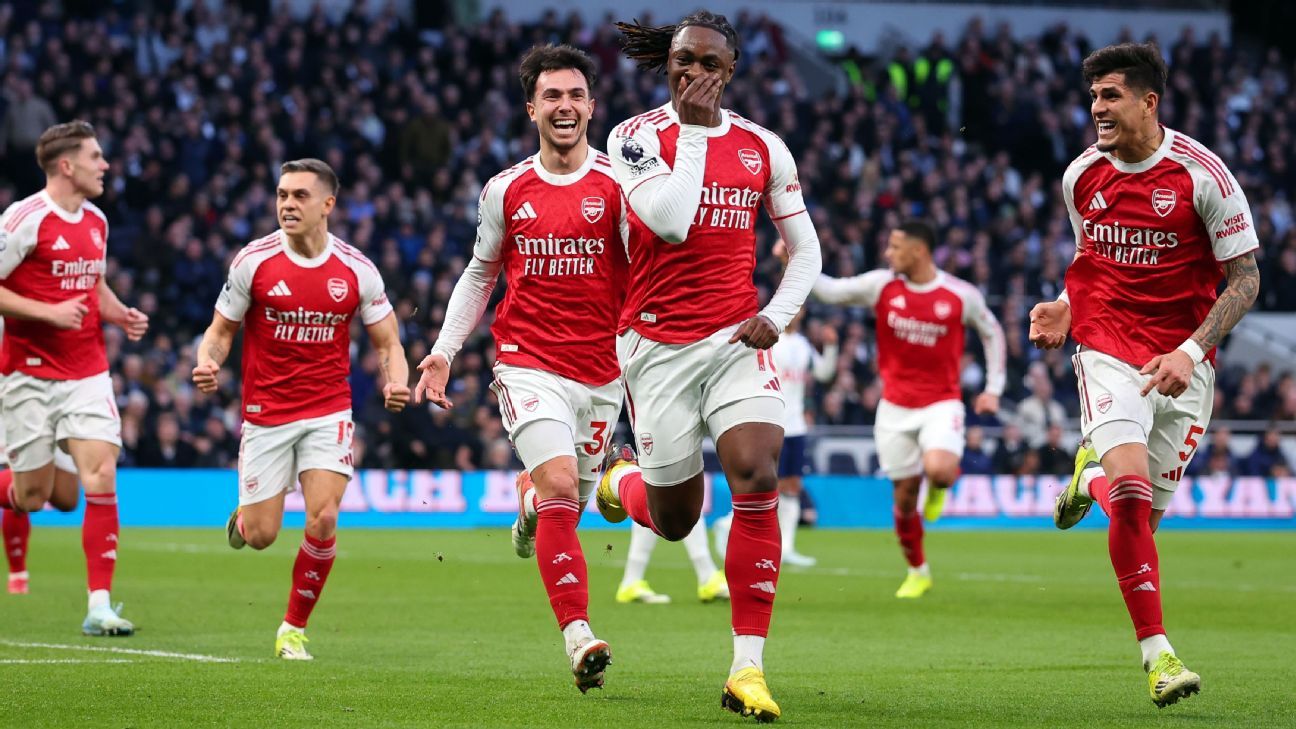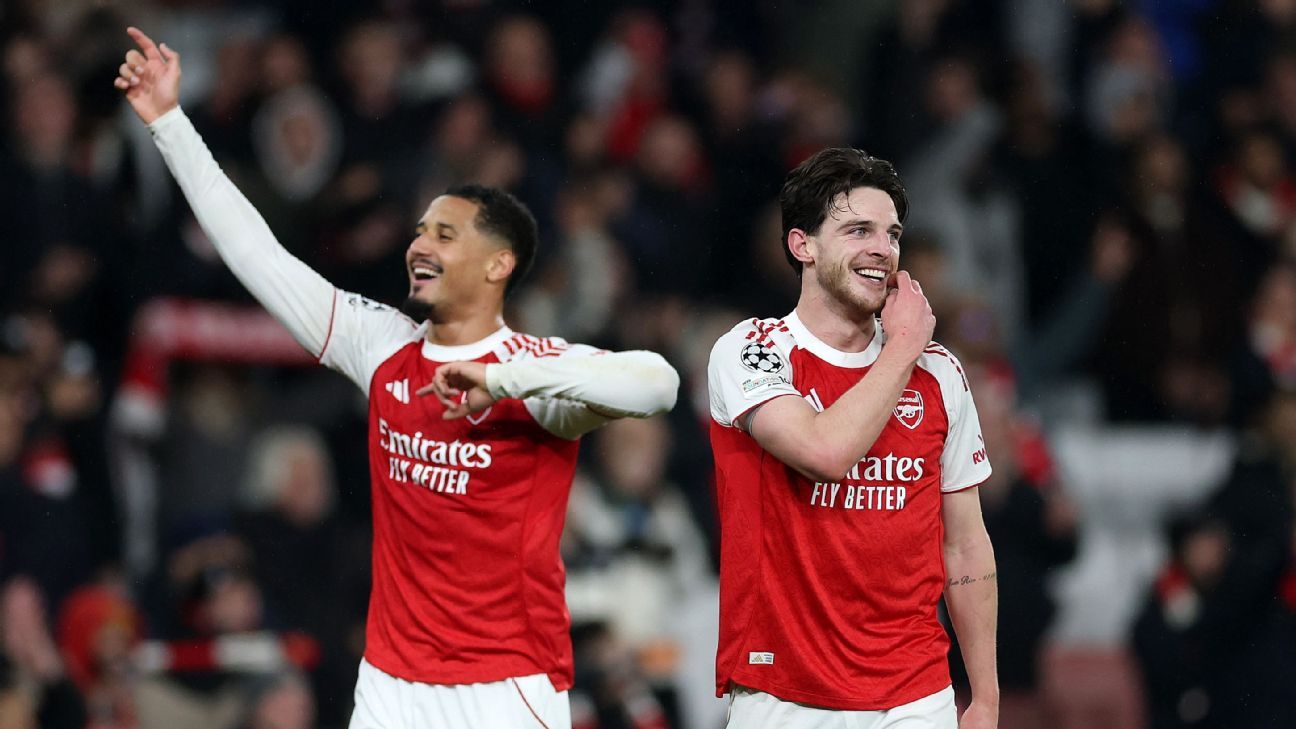
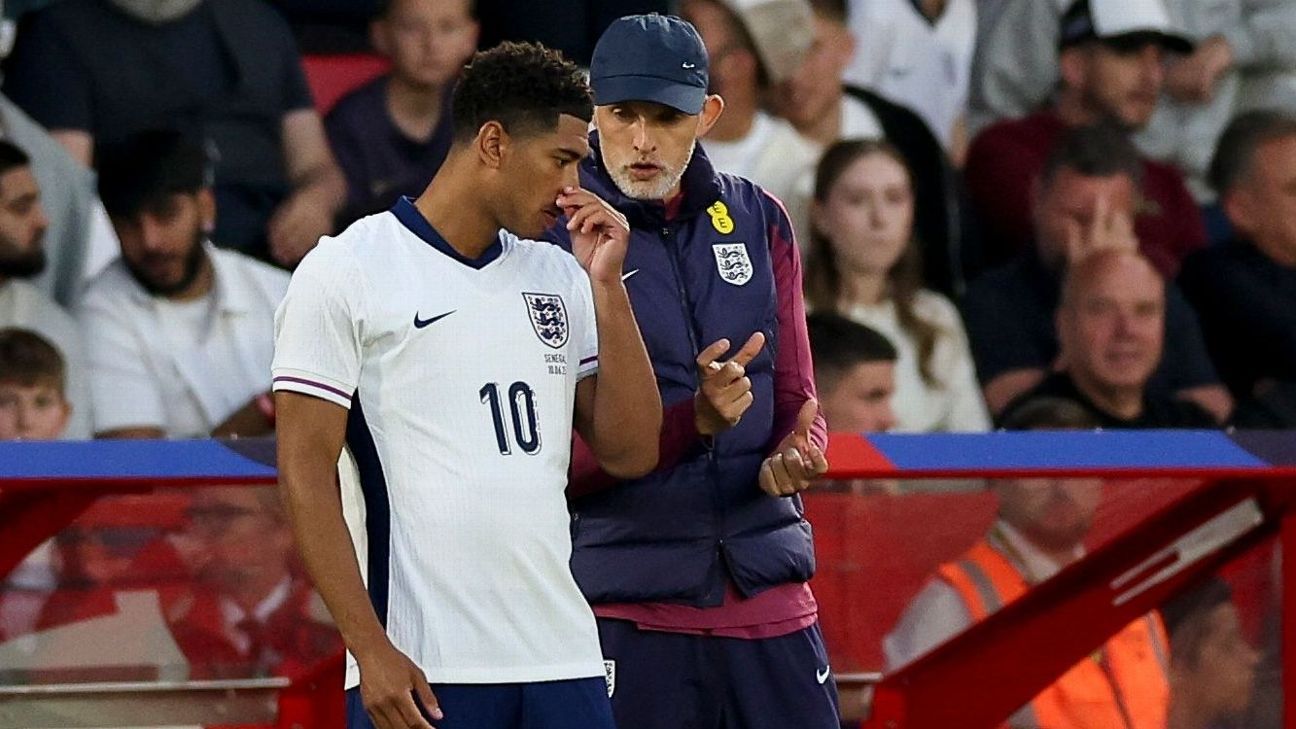
Why has Bellingham, officially recognized as England’s top player, been sidelined?
The Curious Case of Jude Bellingham: Recognition, Omission, and the Road Ahead
Last Wednesday, Jude Bellingham, the 22-year-old midfield dynamo, was awarded England’s men’s Player of the Year for the 2024-25 season, an accolade that underscored his rapid ascent in world football. Yet, just 48 hours later, England manager Thomas Tuchel made headlines again for a far less favorable reason—Bellingham was dropped from the latest national squad. How could a player so celebrated be cast aside so quickly, especially considering his immense talent and contributions?
The Context of Bellingham’s Omission
Tuchel’s explanation for this surprising decision was rooted in Bellingham’s lack of game time at Real Madrid, where he had returned post-shoulder surgery. Despite being a vital player in the past, he has started only one match this season and has yet to complete a full 90 minutes. However, this reasoning barely scratches the surface, hinting at underlying complexities behind the scenes.
Tuchel emphasized the importance of team cohesion and preparation as the FIFA World Cup approaches, stating that September’s training camp was the most productive period of his tenure. The emphatic 5-0 victory over Serbia in a World Cup qualifier showcased the benefits of a unified squad—a condition Tuchel deemed essential for success.
"The team spirit is the key factor in the end," he stated. As he weighs the dynamics of his squad, Tuchel opted to retain most players from the successful Serbia match, even replacing injured talent like Noni Madueke with Arsenal’s Bukayo Saka—who himself has not completed a full game this season.
Yet Bellingham, officially recognized as England’s best player just days earlier, was conspicuously missing. This paradox invites deeper questions: is Tuchel merely setting the stage for an alternative plan, or is there a personal message embedded in this decision?
Exploring Tactical Alternatives
In his response to whether England could win the World Cup without Bellingham, Tuchel reframed the dialogue. He acknowledged Bellingham’s world-class abilities and admitted that his absence would be felt but stressed the need for a system not reliant on one player. "It can never be the solution to depend on one player in football," he asserted, accentuating the need for alternatives should a key player like Bellingham suffer an injury before the tournament.
Bellingham’s skill set is unique—his capability to dictate the tempo and turn the game’s tide is unrivaled within the squad. Since he joined the England team, they have won 26 out of 42 matches with him; a stark contrast to the impressive record of 13 wins, 6 draws, and only a single defeat without him. This duality suggests that Tuchel is not just reacting to Bellingham’s current form but strategically considering how to build a resilient squad.
In his preferred 4-2-3-1 formation, Tuchel has shown faith in other rising talents, such as Morgan Rogers, who excelled against Serbia, and has opened the door for players like Morgan Gibbs-White and Ruben Loftus-Cheek. Oddly, Tuchel’s omission of Phil Foden—often a crucial component of England’s midfield—raises further questions about his strategy. Guardiola at Manchester City has argued Foden performs best centrally, an area where Tuchel is clearly experimenting with different approaches.
The Squad Dynamics and Personal Relations
While the tactical discussions are compelling, the interpersonal dynamics within the squad merit scrutiny. Tuchel’s insistence that he bears no personal issues with Bellingham, Foden, or Jack Grealish begs the question: what lies beneath the surface? Reports from the previous Euro campaign suggest some discord among players, making the scenario all the more complex.
Anthony Gordon emphasized the positive vibe during the last camp, implying that maintaining team chemistry is paramount as they aim for the World Cup. Yet, omitting Bellingham—a player integral to that chemistry—also raises eyebrows regarding Tuchel’s managerial philosophy and decision-making.
Tuchel has previously highlighted aspects of Bellingham’s temperament, once commenting that the player’s intensity, while part of his passion, could also be "repulsive" at times. Following backlash, he later apologized, indicating the sensitivity around their relationship. Given this context, it’s reasonable to inspect whether this decision was meant to affirm team dynamics or to issue a wake-up call to Bellingham himself.
Bellingham’s Path to Redemption
Bellingham is undeniably a prodigious talent, and as the pressure mounts for him to reclaim his spot, it becomes essential for him to regain full fitness and form at Real Madrid. His substitute appearance in a 3-1 victory over Villarreal demonstrated his potential, but questions linger about whether this is sufficient to earn a return to the national squad.
With the international break providing him an opportunity to sharpen his skills, Bellingham will be crucial in upcoming fixtures for Madrid, including Champions League clashes and the significant El Clásico against Barcelona on October 26. Fellow England players, including Gordon, acknowledge Bellingham’s invaluable presence, hinting that his return to consistent football will naturally lead him back to the national team.
As this narrative unfolds, Tuchel’s gamble on Bellingham could either serve as a necessary jolt for the player or a tactical mistake that leaves England missing one of their best talents when it matters most. The road to the World Cup is laden with challenges, and it remains to be seen how both the manager and player rise to meet them.