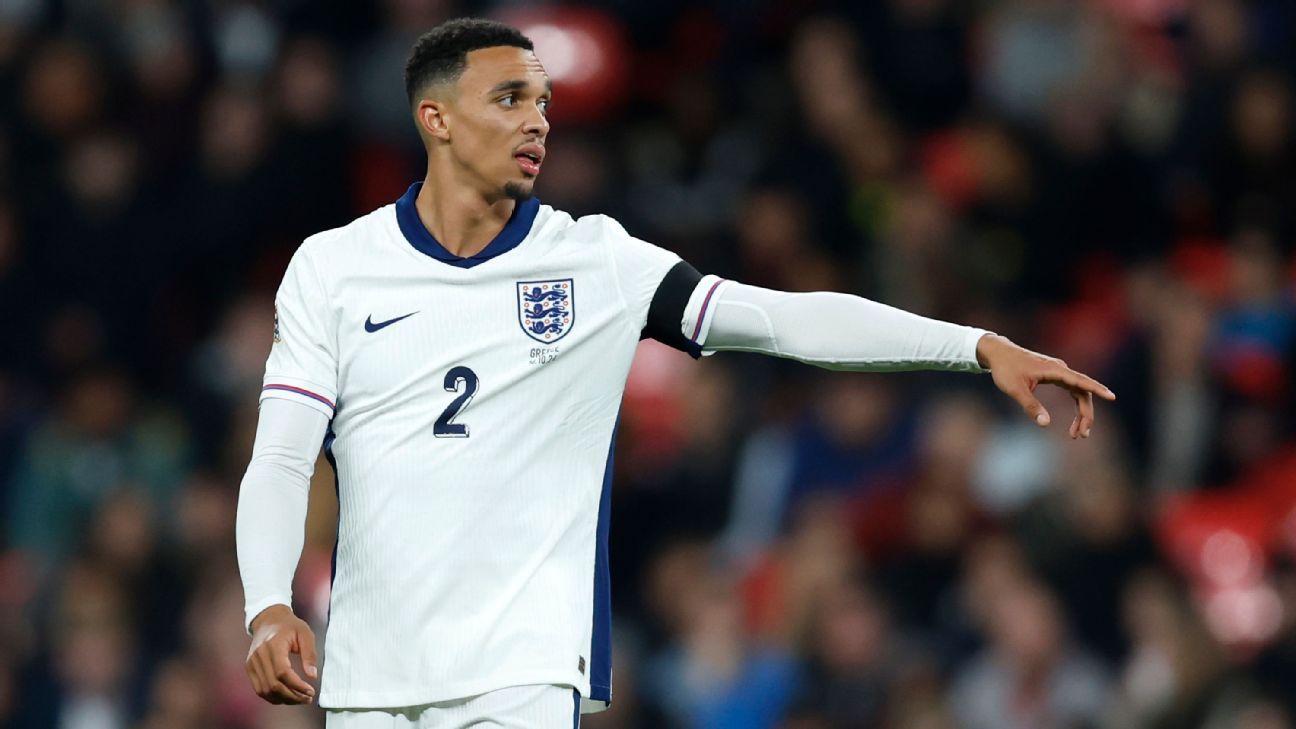
Which players were left out of the England squad? Trent Alexander-Arnold and Ollie Watkins among the missing.
The Surprising Omissions from England’s Squad: Trends and Insights
As England gears up for its upcoming friendlies against Uruguay and Japan, the squad announcement has stirred a wave of speculation and analysis, particularly following the absence of notable players such as Trent Alexander-Arnold and Ollie Watkins. This decision by head coach Thomas Tuchel has not only raised eyebrows but also ignited discussions on the trajectory of the national team as they prepare for the forthcoming World Cup. Let’s dive into the factors influencing these omissions and what it means moving forward.
Trent Alexander-Arnold: A Shocking Exclusion
One of the most controversial decisions in Tuchel’s squad announcement has been the omission of Trent Alexander-Arnold, currently with Real Madrid and a vital cog in England’s football machinery. Despite showing impressive form, Tuchel opted for younger talents like Jarell Quansah and Tino Livramento, emphasizing the need for players who have consistently contributed to the team’s success in recent months.
Tuchel’s remarks hint at a strategic approach; while Alexander-Arnold has a wealth of experience and skill, the manager is looking for players who reflect the current form and chemistry that brought success in the World Cup qualifiers. This move is a wake-up call for Alexander-Arnold, who must now fight for a place in a competitive right-back lineup. Tuchel’s decision showcases a shift towards relying on emerging talents, potentially indicating a longer-term vision for the squad.
The Forward Line’s New Faces
The exclusion of Ollie Watkins, a player whose last-gasp heroics secured England’s place in the Euro 2024 final against the Netherlands, raises an equally pressing question about the nature of competition in the forward line. Despite his respectable tally of nine goals this season, Tuchel seems less impressed with the overall contributions of Watkins compared to emerging talents like Dominic Solanke and Dominic Calvert-Lewin.
Calvert-Lewin, in particular, is praised for his decisiveness in critical situations, including his penalty-taking ability—an aspect crucial for tournament play. This shift not only signals a change in the selection philosophy but also reflects the intense competition for spots ahead of the World Cup. The absence of Watkins invites scrutiny, but also highlights the depth of talent available to the England squad, painting a picture of an evolving team dynamic.
The Overlooked Veterans
While younger players are gaining traction, notable veterans like Luke Shaw and Danny Welbeck find themselves sidelined in Tuchel’s latest squad. Shaw, who played a significant role in the Euro 2024 final, has been absent from international duty, raising questions about the criteria being applied for squad selection.
Tuchel’s decision to prioritize younger left-backs like Nico O’Reilly and Lewis Hall indicates a shift towards revitalizing the team with fresh faces who can contribute long-term. This choice suggests that while experience is invaluable, the bevy of young talent will likely shape the future of the England team. Similarly, Danny Welbeck’s exclusion, despite his experience and skill set, reinforces the increasingly competitive landscape, where emerging players like Calvert-Lewin and Solanke are making strong cases for inclusion.
Young Talent on the Horizon
The absence of established players opens up avenues for youth, as seen with Max Dowman, the Premier League’s youngest scorer. His remarkable achievement has not gone unnoticed by Tuchel, who expressed cautious optimism about the 16-year-old’s future with the national team. Tuchel’s strategy is to avoid putting undue pressure on Dowman at this stage, favoring gradual integration into the national squad.
Simultaneously, the decision not to include players like Morgan Gibbs-White, despite his consistent performances at Nottingham Forest, indicates a wealth of talent that Tuchel can tap into. The focus appears to be shifting more towards cultivating an environment that nurtures youth, fostering their development while maintaining competitiveness, especially as the World Cup approaches.
As England navigates these critical selection decisions, the evolving landscape provides both challenges and opportunities. The balance between established veterans and the promise of new talent sets the stage for intense competition within the squad. With the World Cup on the horizon, these omissions carry significant weight, hinting at broader tactical strategies and the bright future that England’s football program envisions.