What accounts for the USWNT’s low position in ESPN FC’s Top 50 Women’s Rankings?
The Changing Landscape of Women’s Soccer Awards
Timing is everything in life, and in the world of sports awards, it’s no different. With the conclusion of another year, the conversation around awards voting in women’s soccer is heating up, particularly surrounding the recognition of the incredible talent within the U.S. Women’s National Team (USWNT). How is it that a team that has clinched four World Cups, holds the crown as the reigning Olympic champions, and is ranked No. 2 globally finds itself underrepresented in year-end accolades? The question may carry an air of Americentrism, but it unveils a broader reality shaped by the shifting dynamics of global football, particularly its Eurocentric lens.
The USWNT’s Absence from the Pinnacle Lists
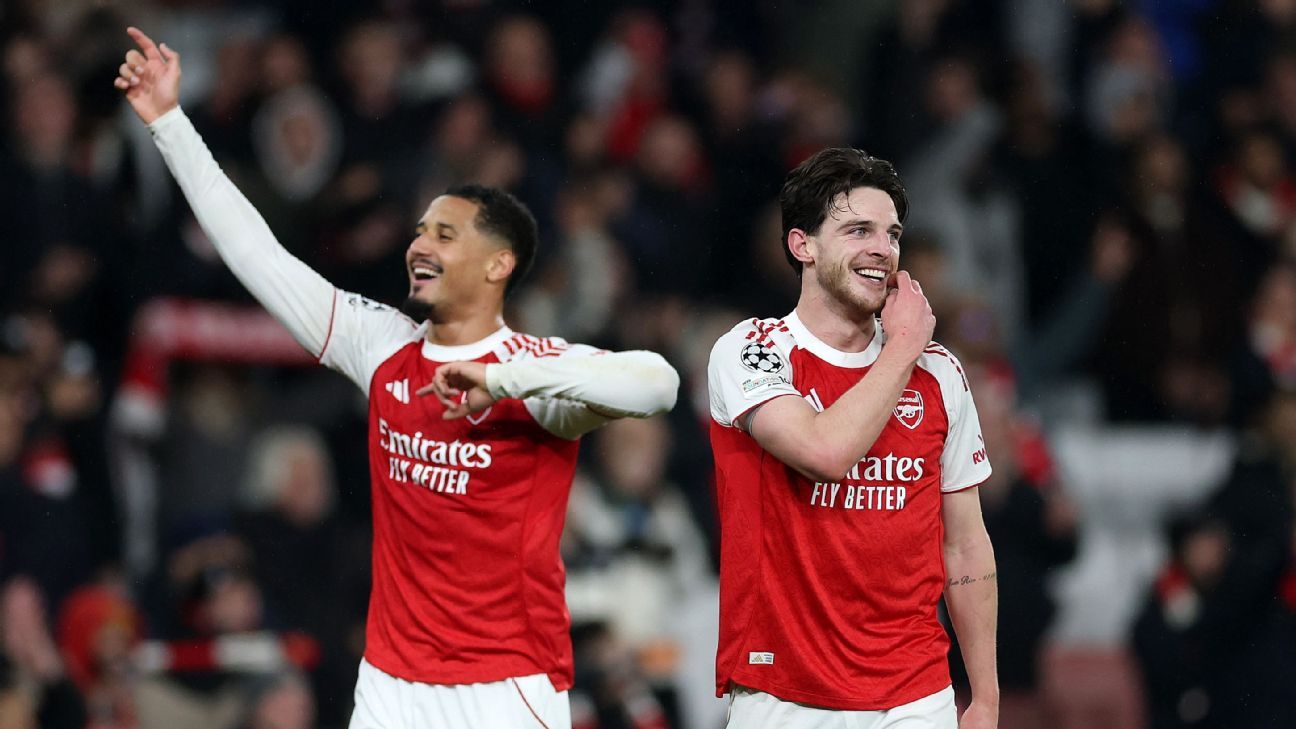
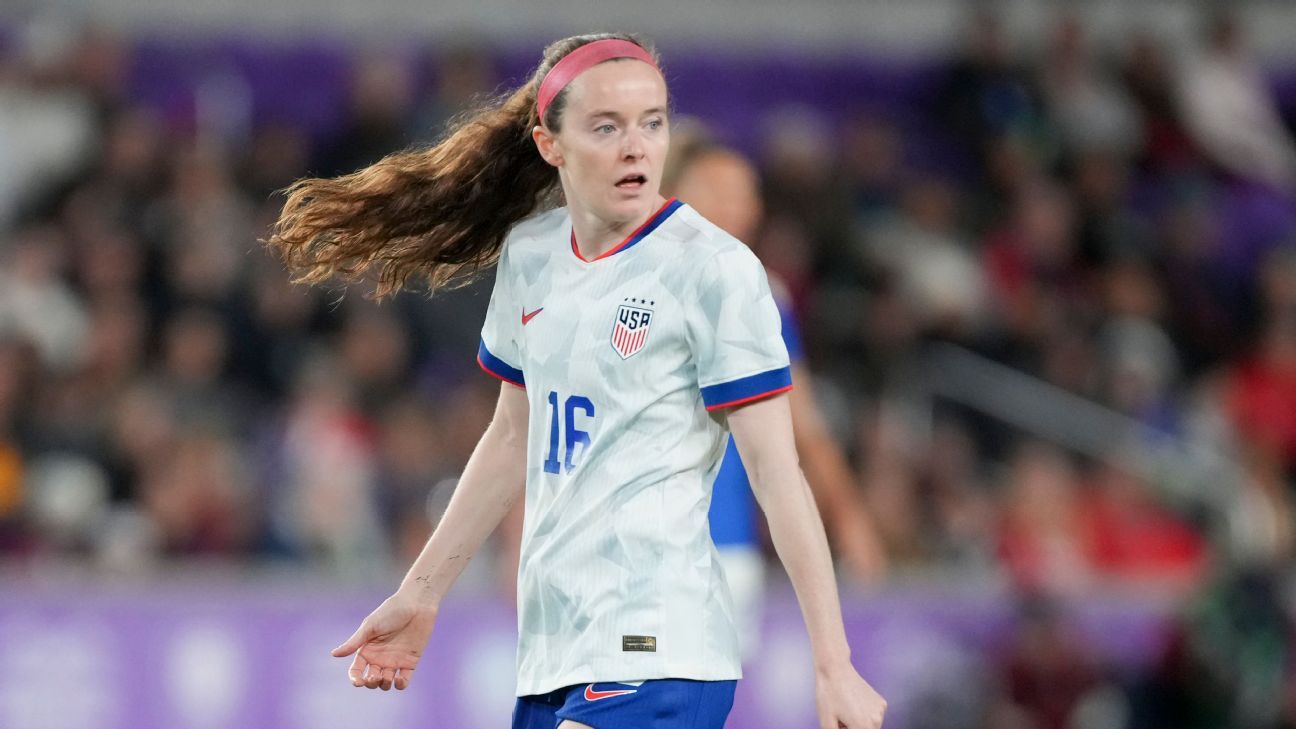
As the discussions swirl around ESPN’s top 50 women soccer players of 2025, one striking observation is that despite the USWNT’s remarkable legacy, they currently lack players in the upper echelon of these rankings. Seven Americans made the list, but none graced the lofty heights of the top five or ten. Emily Fox stands out in this landscape, as she ranks 23rd after her pivotal contributions to Arsenal’s UEFA Champions League triumph. To make matters worse, many of the USWNT’s top forwards and established stars were absent throughout the year, leading the global voting pool to overlook American talents in favor of their European counterparts.
The discrepancies in visibility and access to games played a substantial role in this narrative. The USWNT has historically required standout performances during major international tournaments to grab the attention of voters, and the absence of such events this year left voters leaning more heavily on players from leagues that enjoyed more significant commercial appeal, particularly those in Europe.
The Weight of Eurocentrism in Awards Voting
Awards voting within soccer tends to gravitate towards major tournaments and the countries that participate in them. The European Championship was the standout event of the year, dwarfing continental tournaments in Africa and South America in terms of global visibility and commercial backing. As a result, the bias became evident, with the Best FIFA Women’s XI featuring only players from the finalists — Spain and England — effectively sidelining American talents.
This Eurocentric bias extends beyond mere tournament exposure; it can be found in the voting process itself. Voters are often swayed by recent performances that showcase star power, typically seen in goal scorers, who the USWNT notably lacked this year. With players like Megan Rapinoe last winning the Ballon d’Or in 2019, the onus remains on the US players to redefine their narratives in an evolving landscape.
Player Developments and Transitional Challenges
Several significant USWNT players experienced extended absences this past year, impacting both their performance and global visibility. Forwards like Sophia Wilson and Mallory Swanson were absent entirely as they welcomed new life into their families, while Trinity Rodman spent considerable time on the sidelines due to injuries. The impact of these absences cannot be overstated; they represent three talented individuals who, under happier circumstances, would likely stand among the upper ranks of player assessments.
In the midst of this, USWNT head coach Emma Hayes has experimented with a broader range of players, handing out numerous first caps. This resulted in an extremely transitional year for the team. However, this strategy also presented an opportunity for rising stars, such as Alyssa Thompson, to emerge. Thompson, who shone with Angel City prior to her big move to Chelsea, racked significant momentum going into the next phase of her career, landing at 43rd in ESPN’s rankings.
The Talent Still Shines Bright
While the awards landscape may not reflect it, there remains an abundance of talent within the USWNT. Even in this year of flux, players like Sam Coffey have established a reputation for consistency and are gaining traction. Coffey’s performance for the Portland Thorns was so impressive that some experts suggested if she played for a more celebrated country, she would be in the coveted conversation for the top honors.
The emerging generation is bringing a fresh perspective to the team, but they’ll have to deal with the reality of needing another standout year, likely during the 2027 World Cup, to ensure they receive the recognition they duly deserve. While talent is certainly present, the collective narrative surrounding performance, opportunity, and timing will continue to be pivotal in defining how the world perceives American soccer greatness.
The USWNT may currently be navigating a transitional phase, but the road ahead is lined with potential — both for re-establishing their dominance and for ensuring their players receive the appreciation synonymous with a nation that has led the global women’s game for decades. The backdrop of changing times keeps the conversation alive, reminding us that talent can only shine bright if given the stage to perform.