VAR Analysis: Did Simons Deserve the Red Card Against Liverpool?
The Controversial Role of VAR in the Premier League: Insights from the Recently Concluded Season
Understanding VAR’s Impact on Decision-Making
Video Assistant Referee (VAR) has become a focal point of debate in football, particularly in the Premier League. Each week, fans, pundits, and players alike dissect decisions made through this technology, creating a blend of admiration and frustration. At the core of the discussion is a single question: how are these crucial decisions made, and are they ultimately correct?
The foundational principle of VAR is to assist referees in identifying clear and obvious errors during matches. This includes categories like goals, penalty decisions, direct red cards, and cases of mistaken identity. However, VAR operates under a framework of interpretation, particularly concerning fouls and measures of intent, which can lead to varying opinions on its appropriateness and effectiveness.
The VAR Protocol: How It Works in Practice
Recent seasons have spotlighted how the VAR process unfolds in real-time during matches. When an incident occurs, the on-field referee reviews the situation based on the immediate context of the game. If the VAR assistant identifies a potential error—say, a missed penalty or an incorrectly issued card—he can recommend a video review to the referee. The on-field referee then has the liberty to examine the footage for clarity.
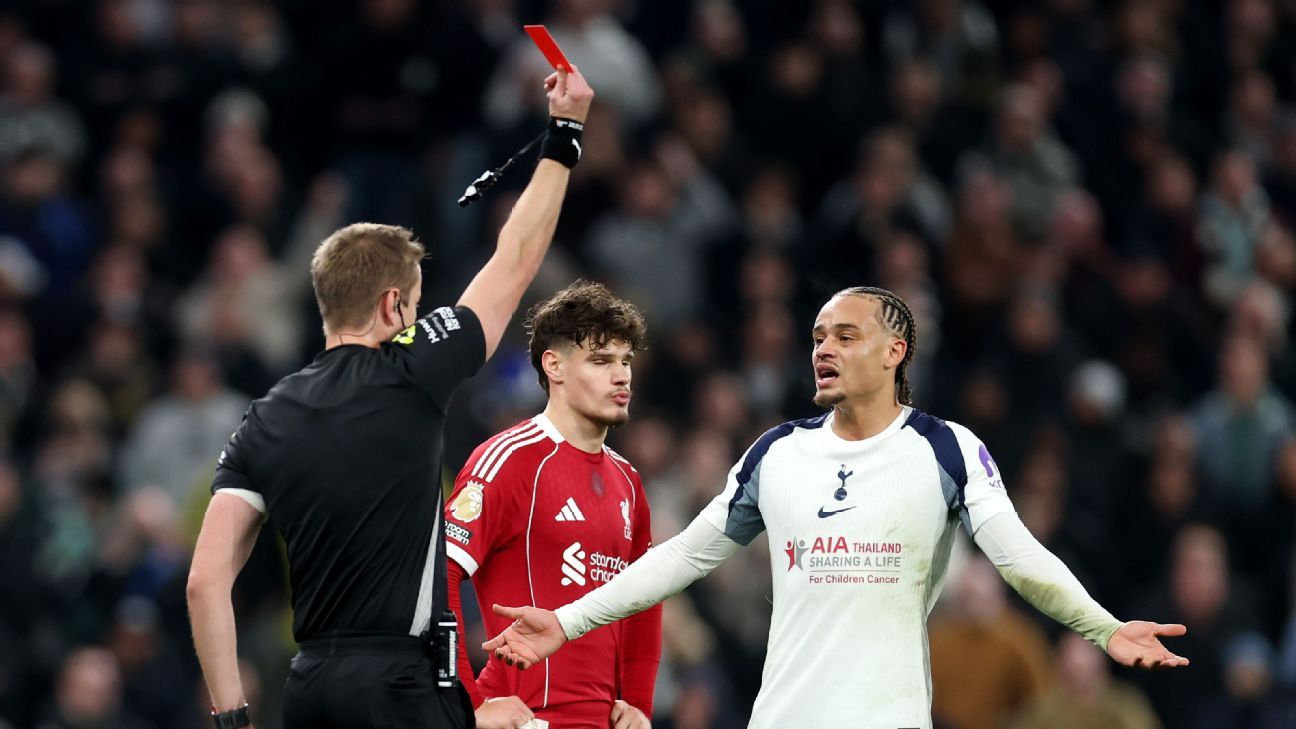
For example, in the match between Tottenham Hotspur and Liverpool, VAR official Stuart Attwell reviewed a late challenge by Tottenham’s Xavi Simons on Virgil van Dijk. Initially deemed a yellow card for reckless play by referee John Brooks, the video footage depicted a much more dangerous foul. The speed and force of the challenge were highlighted from multiple angles, leading to an overturned decision to a red card. This showcases the dynamic nature of decision-making within the VAR system—an intervention that many deemed necessary and correct.
The Intricacies of Subjective Decisions
Despite the clear advantages that come with having video replays, subjective calls continue to plague the VAR system. Each incident paints a picture that might differ based on the angle, speed, or even the context surrounding it. This brings us to a critical incident in the Newcastle United vs. Chelsea match, where Trevoh Chalobah’s challenge on Anthony Gordon raised questions about the call of no penalty.
In this case, referee Andrew Madley viewed the play as fair, interpreting the challenge as normal contact. However, upon review, VAR Peter Bankes stood by this ruling despite visible contact that could arguably be characterized as a careless foul. This contradiction highlights a broader issue: the reluctance of referees and VAR officials to overturn calls that might alter the flow of the game or penalize defenders unduly.
Attwell’s reassuring overrule in the Tottenham match contrasted sharply with Bankes’s hesitance in the Newcastle clash, demonstrating the gray areas that referees must navigate, which can result in contentious outcomes. It emphasizes how context and personal interpretation can lead to diverging paths in decision-making.
VAR’s Influence on Game Dynamics and Player Psychology
The presence of VAR has not only altered how decisions are made but also how players approach the game. Players today are frequently aware of the scrutiny their actions are under, affecting their on-field behaviors. The psychological impact of VAR can lead to a more cautious style of play or even encourage players to “play to the camera,” attempting to draw fouls or penalties when marginal contact occurs.
Moreover, teams often review footage after matches to understand their tactical shortcomings or address grievances over officiating discrepancies. This reliance on video evidence has triggered a culture where players might argue harder for penalties or red cards, believing meticulously documented footage is indicative of justice.
Yet, this interplay is complicated by the fact that VAR is not an infallible system. The pressures it creates, combined with the human element involved in its execution, mean decisions can still lead to significant controversies, generating passionate debates among fans and analysts alike.
The Future of VAR: Adjustments and Improvements
The ongoing dialogue surrounding VAR indicates that while strides are being made, improvements are necessary to enhance clarity and satisfaction among all stakeholders. Discussions suggest adjustments in protocol could facilitate better communication between VAR teams and on-field referees.
For instance, some propose modifying the thresholds for reviews on subjective decisions, such as what constitutes “obvious” errors, and potentially standardizing guidelines for the review process to reduce inconsistencies. Moreover, instilling a direct communication channel between referees and fans in the stadium via real-time announcements could also bridge the gap between on-field decisions and public understanding.
As the Premier League continues to navigate the complexities brought by VAR, the insights provided by experienced figures like Andy Davies—who has operated both as a referee and a VAR official—are vital. His analysis of incidents, taking into account both the protocols and the Laws of the Game, emphasizes the necessity for a balanced understanding of VAR’s role as the league evolves.
As controversies persist and football continues to transform, one thing is certain: the conversation around VAR is far from over, and how it’s received will likely shape the future of officiating in the beautiful game.