
U.S. Travel Restrictions Cause Uncertainty for Senegal and Ivory Coast Fans Ahead of World Cup
Travel Ban Impacts African Fans: The World Cup Dilemma for Senegal and Ivory Coast
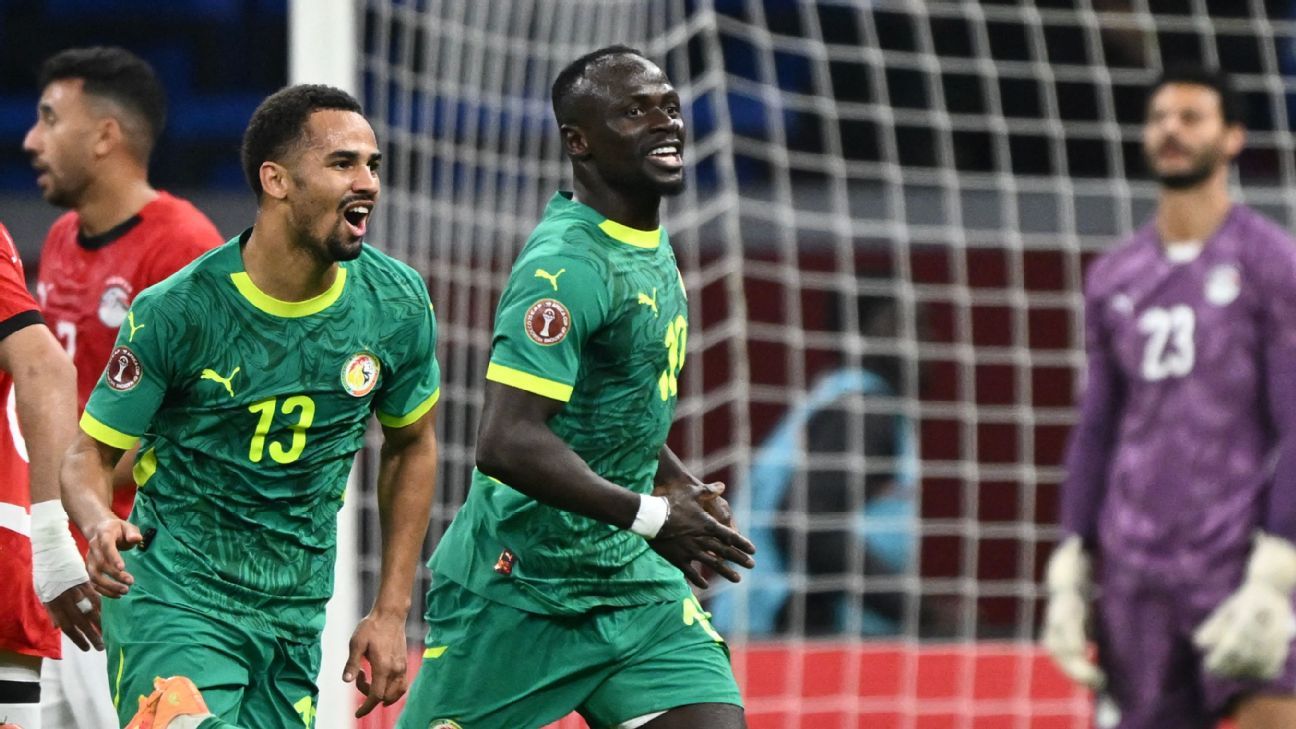
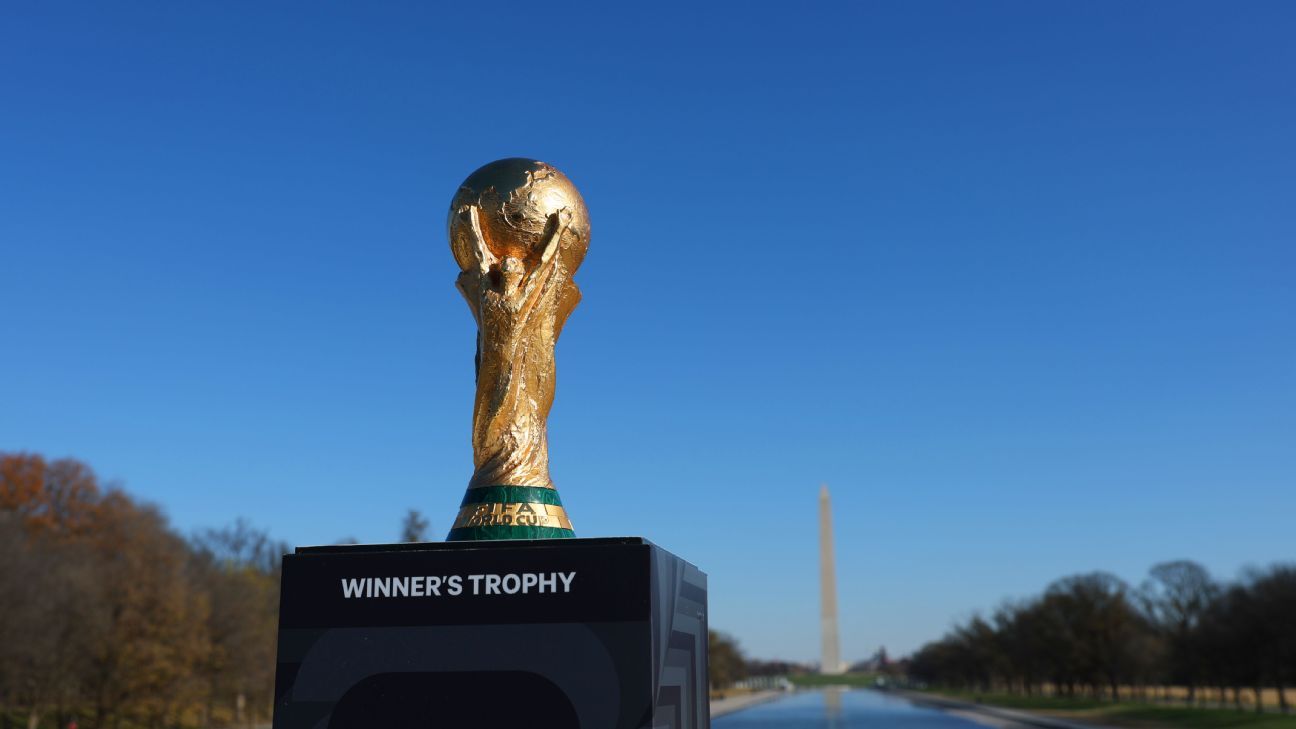
As excitement builds for the upcoming 2026 World Cup, tensions are rising for fans from Senegal and Ivory Coast. The recent travel ban imposed by the Trump administration has left many supporters feeling disheartened, as this restriction jeopardizes their opportunity to cheer for their teams during a tournament that is already a monumental event for these nations.
The Travel Ban: Understanding the Restrictions
In December, Senegal and Ivory Coast were added to a growing list of countries subjected to partial entry restrictions into the United States. These partial bans mean that supporters without existing U.S. visas are essentially barred from attending the tournament set to run from June 11 to July 19, 2026. Insights into the ban reveal that President Trump cited “screening and vetting deficiencies” as the driving force behind these travel limitations. While these restrictions do accommodate players, team officials, and immediate family members, they present a significant barrier for the general fans looking to support their teams in-person.
Moreover, other nations like Iran and Haiti, which also qualified for the World Cup, face similar challenges. This exclusion brings to light broader issues of accessibility and fair treatment amid an important global event like the World Cup. As Senegal supporter Djibril Gueye poignantly remarked, “If that’s the case, they shouldn’t agree to host the World Cup,” expressing frustration that the hosting nation should facilitate entry for all participating countries.
The Emotional Toll on Supporters
The emotional distress among fans from both Senegal and Ivory Coast is palpable. Many had their hopes pinned on traveling to the U.S. to witness decades of dedication to football pay off, only to face an uncertain road ahead. The sentiments of Fatou Diedhiou, president of a group of female Senegal fans, resonate across age and gender lines: “Now we just wait… maybe they’ll change their minds.” This uncertainty leaves supporters in a difficult position, as they grapple with hopes and realities.
Supporters share stories of past travel, their unwavering commitment to supporting their national teams, and plans that may remain unfulfilled. Sheikh Sy’s determination to find any means to attend highlights a broader cultural significance; for many fans, supporting their teams is a tradition that runs deep throughout generations. Yet, the prospect of attending this year’s tournament remains clouded by the limitations of the travel ban, casting a long shadow over their celebrations.
The Role of Coaches and Players
As the ban looms over the teams and their fans, coaches and players are also vocal about the situation. Ivory Coast coach Emerse Faé expressed optimism and urgency for resolution, underscoring that the World Cup is a celebration. “It would be a real shame not to let our supporters come and experience this celebration,” he noted, exhibiting a heartfelt desire for inclusivity surrounding the event.
While players are primarily focused on their performance on the field, many share the sentiments of their fans regarding the restrictions. Ivorian winger Yan Diomande emphasized the importance of winning games but acknowledged that playing without passionate supporters is less than ideal. Similarly, team captain Franck Kessié remarked on the ongoing conversation with their government to find solutions for their fans, showcasing how interconnected their journeys are outside of football.
Economic Realities: Ticket Prices and Accessibility
Beyond the travel restrictions lies another layer of complexity: financial barriers facing many fans. Even without the travel ban, ticket prices for the World Cup can be exorbitant. Economic disparities mean that the excitement around the event is offset by the reality that many would-be supporters simply cannot afford to attend. As articulated by Ivorian supporter Tan Detopeu, “I don’t think that many people would have gone to the World Cup either because it’s kind of expensive.”
This sentiment echoes widely, as fans scramble to find feasible options to secure their attendance. Some, like a Senegal supporter named Pape, even consider taking political stances against travel to the U.S., feeling that true fans are overshadowed by easily overlooked commercial interests. The grassroots essence of fandom seems compromised, raising questions about the intersection of sport, politics, and economics as global players prepare for one of the most prestigious events in football.
As Senegal and Ivory Coast move forward into the World Cup season, the narrative remains deeply woven with the struggles of fans left in limbo due to geopolitical constraints. The excitement for football can only go so far when the path to the stadium is blocked, echoing the often forgotten yet powerful impact of global policies on the passion and spirit of the game.