
Transfer Requirements for Each of the 20 Premier League Teams This Summer
Planning for the Future: The Transfer Needs of Premier League Clubs
The Transfer Landscape Post-Window
As the dust settles on another vibrant transfer window, the Premier League clubs find themselves in a pivotal phase of planning ahead. Even though the window may be closed, the machinations of transfer strategy never truly stop. Throughout the league, clubs are assessing their squads, compiling shortlists of potential targets, and contemplating moves for the next season. The overarching goal is clear: ensure they are better prepared for the challenges that lie ahead.
The importance of this groundwork cannot be overstated. Each team’s summer transfer strategy often hinges on numerous factors, including performance in the current season, player contract situations, and the looming specter of European qualification or relegation battles. Here’s how some top-flight clubs are strategizing during this transition period.
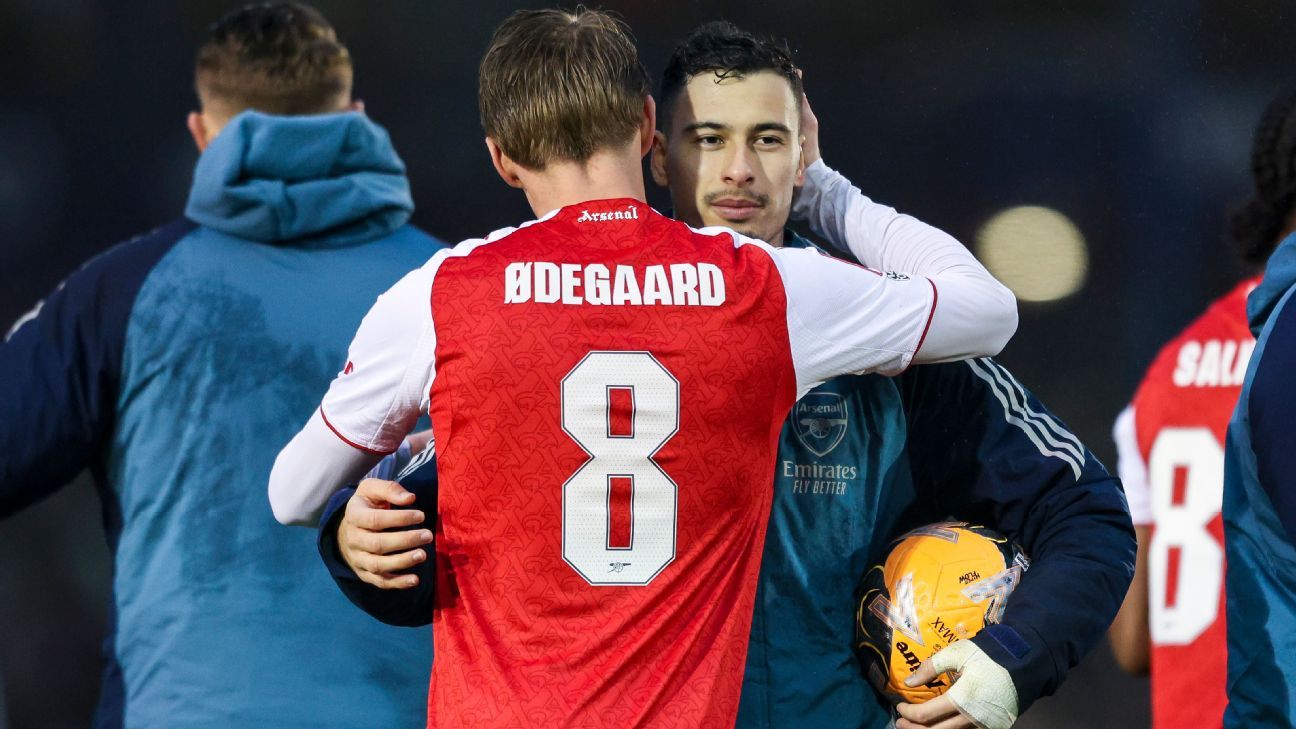
Arsenal: Dialing Up the Attack
For Arsenal, the ambition is all about bolstering their attacking options. With a substantial investment last summer, including signings like Viktor Gyökeres, Eberechi Eze, and Noni Madueke, there remains an underlying concern: can they truly challenge for top honors without a more robust attacking lineup? Kai Havertz and Gabriel Jesus have faced significant injury issues, keeping Arsenal from maximizing their attacking potential.
The appeal for adding another forward grows stronger, especially as the team grapples with the realities of consistency in their goal-scoring capabilities. The challenge will be identifying a player who can seamlessly integrate into their existing framework while providing a consistent threat from a position that has proven particularly vulnerable.
Aston Villa: Navigating Departures Wisely
At Aston Villa, the current focus is intricately tied to potential player exits. Following a UEFA settlement that has shackled their financial maneuverability, making strategic decisions is absolutely essential. The club finds itself at a crossroads; should they earn Champions League football, their priorities will shift dramatically. Yet, if they fall short, players like Emiliano Martínez and Morgan Rogers could be coveted by other teams, compelling Villa to seek replacements quickly.
Finding the right targets will involve astute scouting and an eye for value; they must ensure that any acquisitions fit within the existing budget while enhancing squad quality. Thus, deep-rooted planning must include contingencies for potential departures while safeguarding their ambitions.
Bournemouth: A Defensive Quandary
Over at AFC Bournemouth, the pressing need lies in resolving their center-back situation. With Marcos Senesi’s contract expiring and whispers of interest coming from top-tier clubs like Barcelona and Juventus, the club is forced to confront its vulnerabilities in defense. If Senesi departs, will young talents like Veljko Milosavljević be capable of stepping into a starting role consistently?
Given the high stakes, Bournemouth may need to consider reinforcing not just one, but potentially two defensive positions. This lines up with the club’s recent history of pulling off clever signings. The challenge will be finding leaders capable of organizing the backline amid impending transitions.
Chelsea: Maturity in Youth
For Chelsea, the conundrum is a little more complex. Their approach to investing heavily in young talent has generated excitement, but its drawbacks are unfolding, notably a lack of maturity and discipline. With the current squad showing a trend of red cards, the need arises for seasoned players who can instill a culture of discipline and professionalism.
As they ponder this summer’s transfer window, Chelsea might need to look outside of their young player recruitment strategy and consider experienced individuals who possess the tenacity and wisdom to guide a vibrant but volatile squad through the rigors of a demanding Premier League campaign.
By strategically analyzing individual needs and tailoring their recruitment approach accordingly, these Premier League clubs can better position themselves for the future. Whether it’s amplifying their attacking firepower, preparing for player departures, solidifying defensive foundations, or fostering a mature squad, the groundwork being laid today will shape their battles for tomorrow. The challenge lies in identifying the right talent and ensuring that these players can adapt to the unique philosophies and pressures of Premier League football.