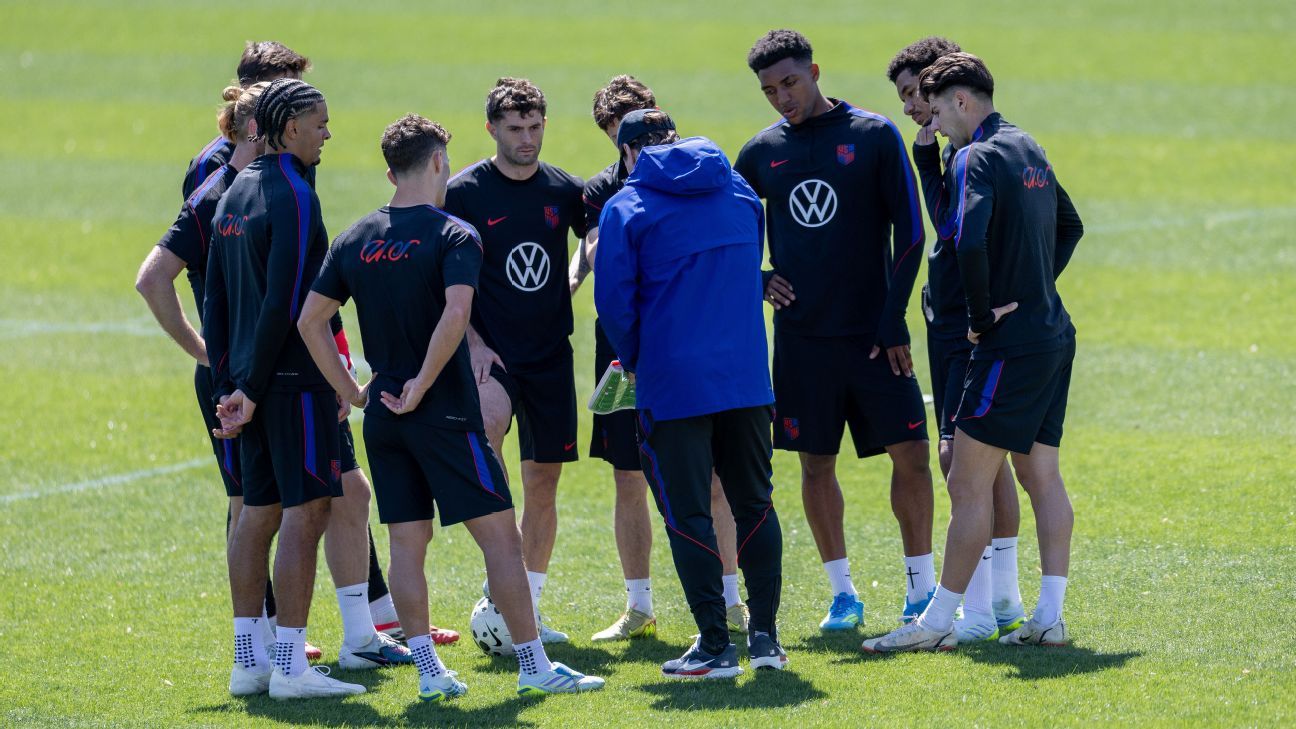
The data analysts working to elevate the USMNT to the World Cup.
The Invisible Hands of U.S. Soccer: How Data Analysts Shape the Game
In the realm of professional soccer, the glitz and glamour of players scoring goals and coaches making tactical decisions often overshadow the diligent work of a team operating behind the scenes. As the U.S. men’s national team (USMNT) gears up for the high-stakes FIFA World Cup on home soil this summer, one critical group stands ready to support the team’s ambitions: the data analysts and performance specialists. Often stationed in the best viewpoints of stadiums, these crucial contributors interpret data to assist the coaching staff and players, ensuring that the USMNT is primed for success when the whistle blows.
The Analytical Edge: Unveiling the Game Plan
At the helm of this analytical operation is Natasha Patel, the federation’s director of sporting analytics. While players take the field and coaches shout instructions from the sidelines, Patel and her team provide real-time insights to help shape the game strategy. “We have the best seats in the house that we can see everything,” she remarks, noting the importance of their perspective for tactical and technical adjustments during matches.
On match days, this translates into crucial information relayed to coaches about game-day goals and key performance reminders—skills that could mean the difference between a hard-fought draw and a thrilling late win. But the analysts’ relationship with the team goes beyond mere statistics. They are involved in various aspects of the team’s preparation, from creating training sessions and reviewing performance metrics to talent identification and opposition analysis.
The Multi-Faceted Role of Technology in Analysis
Drones, analytics software, and video highlights: the toolbox of a modern analyst is surprisingly diverse. Patel’s team employs drones to capture live training sessions, providing multiple angles for detailed review. “It’s almost like an outdoor meeting space,” she describes, where instant feedback can reinforce positive actions or suggest tactical adjustments in real time.
But the use of drones is merely the tip of the iceberg. Analysts curate video content that condenses hours of game footage into compelling playlists designed to prepare players effectively for upcoming opponents. This approach acknowledges that while players are trained athletes, they’re also storytellers required to absorb and execute tactical narratives on the pitch.
For Sam Gregory, the director of data analytics, the challenge lies in filtering through a plethora of data. He explains that, unlike club teams where player recruitment can involve scouting across multiple leagues globally, the USMNT must concentrate on a more defined talent pool due to constraints inherent in national squads. The analysts must then tailor their findings to ensure coaches are equipped with the most relevant insights for upcoming matches.
The Art of Collaboration: Club-Country Dynamics
Analyzing player performance poses unique challenges when transitioning from a club level to an international stage. At the club level, analysts can work with larger sample sizes; for instance, Heaps mentions that his club, San Diego FC, had played 44 matches in a season, compared to the USMNT’s 18. This discrepancy can skew the data, making it vital for the U.S. Soccer analysts to rely on collaborative efforts with clubs that house the players.
Part of this collaboration involves sharing training load data to keep coaches informed about how a player has been performing domestically before they arrive for national camps. This mutual exchange ensures that players are not only well-prepared for intense international competition but also that their individual development aligns with national team goals.
These dynamics present a unique challenge for the analysts, who must continuously adjust to the needs of both the players and their clubs while keeping the focus on the overarching mission of national pride and performance.
Shaping ‘The U.S. Way’: A Unified Philosophy
As the USMNT embarks on its World Cup journey, the data analysts’ roles extend beyond immediate tactical preparation. Their insights aim to contribute to a broader strategic vision known as “The U.S. Way,” a philosophy that includes development across all levels of U.S. Soccer.
The goal is to foster a cohesive identity that connects the youth teams to the senior national squad, ensuring that everyone involved understands the core values and playing style that the federation aims to uphold. By analyzing trends from youth matches and integrating that information into senior preparations, analysts hope to create a lineage of talent and tactical consistency.
The big-picture perspective also means recognizing the invaluable lessons learned from past competitions. By studying historical performance and player development, analysts contribute to shaping a soccer culture that strives for success across the board, regardless of age or level.
In the end, as excitement builds for the upcoming World Cup, the analytical team remains poised to support the USMNT, offering foundational insights and data that enhance every aspect of preparation—from in-game adjustments to long-term strategic development. While they may not be in the spotlight, their role is fundamental, ensuring that the foundation for U.S. Soccer’s success is strong, informed, and ready to rise to the challenge.
Related Posts
VAR Analysis: Cubarsi’s Red Card Altered Barça vs. Atléti Match. Was There a Penalty for Pubill?

Stay or go? Slot’s future with Liverpool takes center stage in UCL discussions.