Strategies for U.S. Soccer to Expand the Sport with $100 Million World Cup Earnings
The U.S. Soccer Federation’s Ambitious Goals for World Cup 2026
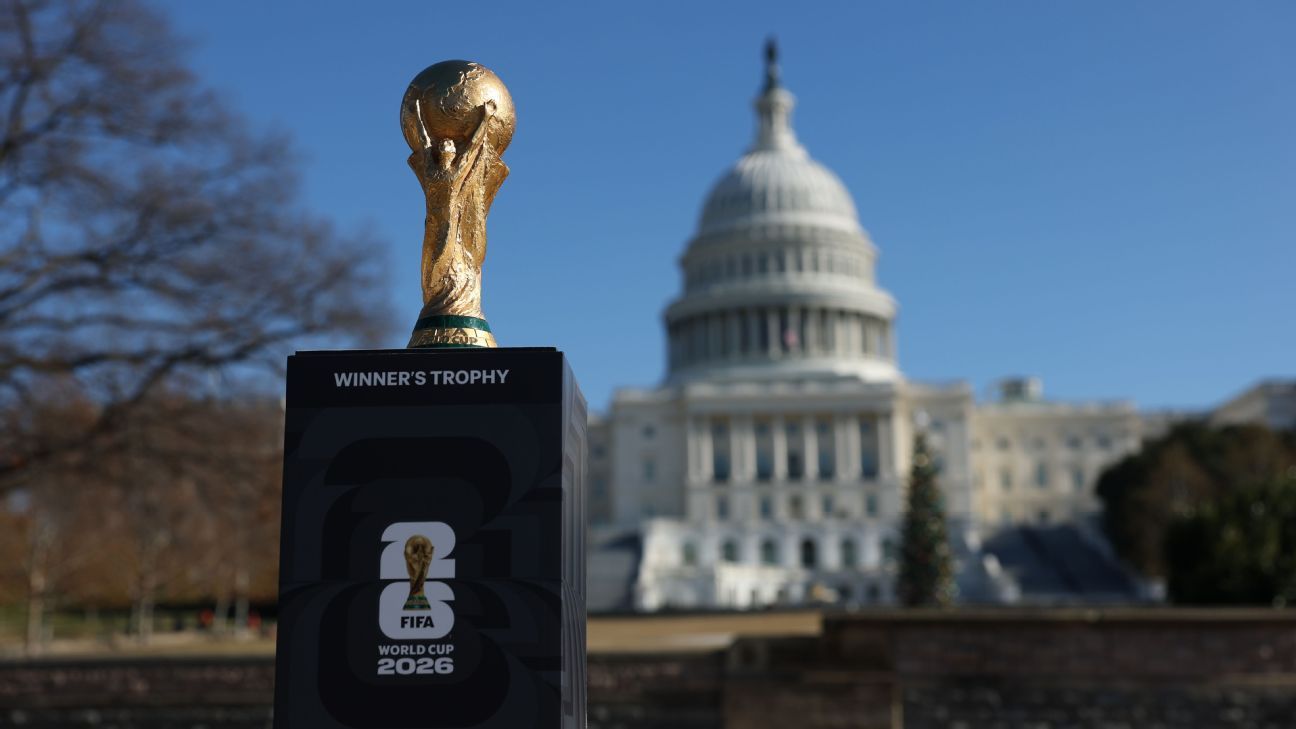
As anticipation builds for the 2026 FIFA World Cup, which the United States will co-host with Canada and Mexico, the U.S. Soccer Federation (USSF) is poised to reimagine its future. With the expectations of generating approximately $100 million from FIFA for hosting the tournament, the stakes are high. The funds promise to boost soccer’s visibility and growth across the nation, igniting aspirations not just for the U.S. men’s national team but for soccer as a whole.
The Financial Landscape: 1994 vs. 2026
Looking back at the 1994 World Cup, the last time the U.S. hosted the event, there’s a stark contrast in approach and expectation. Originally overwhelmed by skepticism regarding its ability to pull off a successful tournament, the USSF adopted a risk-averse strategy, working through local organizing committees to minimize financial exposure. With ticketing revenue as the primary income stream, even the slightest surplus was seen as a victory. The 1994 tournament surprised everyone, generating a surplus of about $51 million, a sizable amount at the time that helped kickstart Major League Soccer (MLS).
Fast forward to 2026, and the financial dynamics have shifted dramatically. The USSF now stands ready to benefit from an expected $100 million as part of a centralized financial structure created by FIFA. This structure steers a significant share of tournament revenues through the federation, reflecting a broader evolution in tournament organization. However, when adjusted for inflation, the 1994 surplus of $51 million equates to approximately $131 million today, emphasizing that while the financial outlook seems brighter, the actual windfall might be less impactful when placed in historical context.
Paving the Way for Accessibility and Participation
For USSF CEO JT Batson, the goal transcends mere financial gain. He is keen on making soccer the “most played sport in the country.” Soccer currently boasts about 15.8 million participants, trailing behind basketball and golf. To tackle this challenge, the USSF has developed the Soccer Forward foundation. This initiative aims to address the barriers of entry into soccer, particularly focusing on the pervasive pay-to-play model that has often excluded children from disadvantaged backgrounds.
Batson envisions the $100 million from the World Cup as a critical investment for broader participation and accessibility. “What is exciting about the $100 million is that we’ll be able to use it for targeted investments in participation and growing-the-game initiatives,” he explained. The aim is to create a sustainable funding model that not only promotes soccer but also ensures that it remains an affordable sport for all children.
The Coalition for Soccer Growth
The USSF’s aspirations aren’t merely limited to financial investments. The success of Batson’s vision relies heavily on coalition building across various stakeholders, including pro leagues, youth clubs, and local governments. The long-term goal is to encourage sustained participation and growth across multiple layers of the soccer ecosystem.
In this quest, the USSF draws lessons from sectors like public health, specifically anti-smoking and anti-drunk driving initiatives, which provide a framework for how to incentivize widespread changes in behavior. As Stacey D. Stewart of Mothers Against Drunk Driving points out, storytelling about individual experiences can resonate deeply and inspire action. By tapping into compelling narratives within the soccer community, the USSF hopes to foster a sense of belonging and excitement that translates into increased participation.
Infrastructure and Accessibility Challenges
A significant concern tied to making soccer more accessible is the infrastructure required to support its growth. Batson acknowledges that to meet the diverse needs of players across the United States, especially in urban, suburban, and rural settings, a variety of facilities is essential. Expanding soccer fields and mini-pitches can transform local communities, providing young players with spaces to learn and grow in the sport.
Challenges abound, however. The sheer scale of the U.S., with over 340 million residents spread across vast geographic diversity, makes it critical for the USSF to partner with local and state organizations effectively. Experts like Beverly Smith emphasize the importance of maintenance plans and ongoing community engagement to ensure the sustainability of these facilities. This requires diligent follow-through from the USSF, balancing ambition with realistic expectations of how much can be achieved through financial windfall alone.
As plans unfold for the 2026 World Cup, the stakes for the USSF have never been higher. The opportunities to reshape the landscape of soccer in America hinge not just on cash flow and high-profile tournaments, but on critical investments in people, stories, and places that will inspire the next generation of players. While the upcoming World Cup will undoubtedly elevate soccer’s profile, the real test will be in how effectively the USSF leverages its resources to propel soccer forward as a national priority, making it more accessible and enjoyable for everyone.