South Africa’s Lackluster AFCON Performance: What Improvements Are Needed Ahead of the World Cup?
Bafana Bafana’s Journey at AFCON: A Mixed Bag of Promises and Pitfalls
In the realm of African football, the Africa Cup of Nations (AFCON) serves as the ultimate litmus test for national teams. For South Africa’s Bafana Bafana, the tournament was a reflective journey that culminated in disappointment as they were eliminated in the round of 16. Yet, amidst the shortfall, there were hints of hope and elements that should be built upon by coach Hugo Broos as they gear up for the FIFA World Cup later this year in North America.
Glimmers of Hope: Young Talents Shine Bright
Despite the team’s exit, notable strengths emerged, most prominently through the performances of young players. Mbekezeli Mbokazi, the 20-year-old center-back from Chicago Fire FC, showcased his mettle on the grand stage. He not only held his own defensively against high-profile forwards like Mohamed Salah during the match against Egypt but also displayed remarkable resilience in subsequent games. His ability to maintain composure, even when faced with setbacks—like being beaten for a goal in the match against Zimbabwe—illustrates a character that can be vital in future competitions.
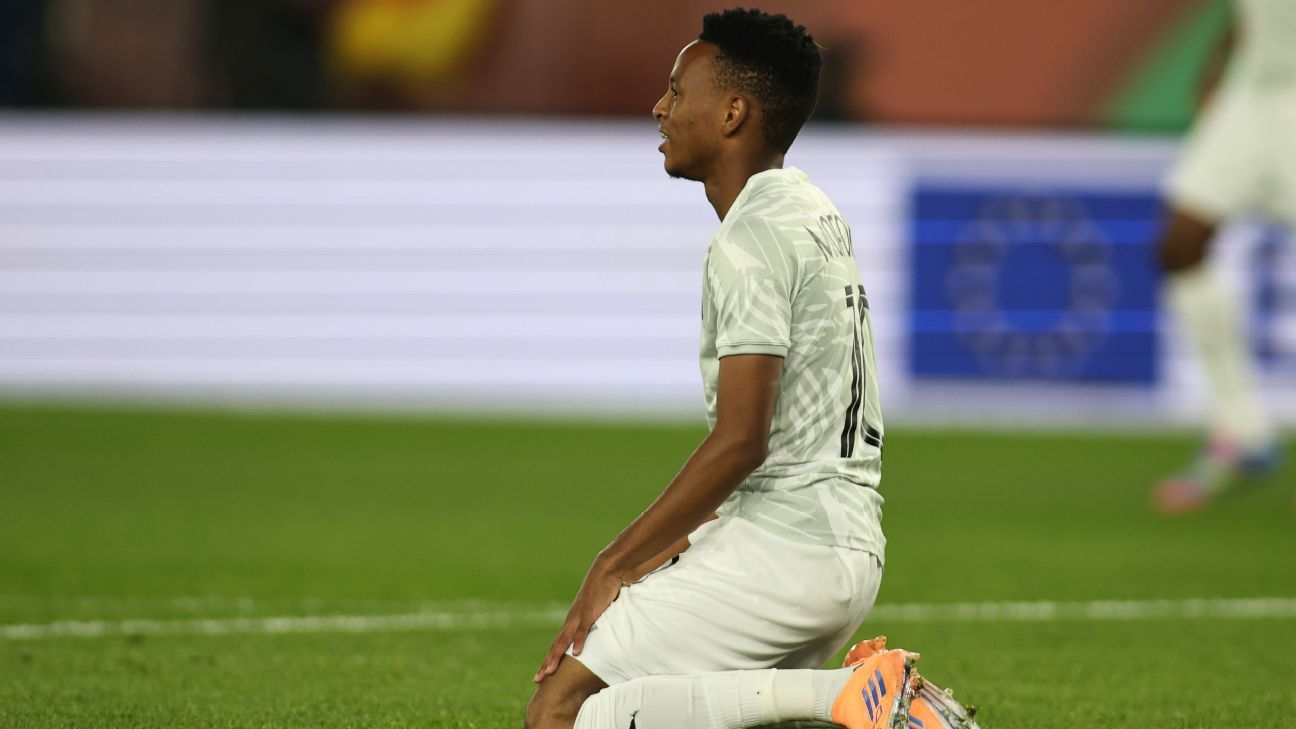
Another standout was Lyle Foster of Burnley, who stepped up as a pivotal player in front of goal, contributing two goals and two assists during the tournament. His strong work ethic and knack for finding scoring opportunities will be pivotal as the team looks to solidify its attacking prowess for the World Cup. Fullbacks Khuliso Mudau and Aubrey Modiba also emerged as the backbone of the defense, consistently delivering solid performances throughout the tournament. These young talents are cause for celebration and offer South Africa a sense of optimism as they prepare for the coming months.
Foundations to Build Upon: Tactical Insights
Broos has initiated a shift within Bafana Bafana, navigating the complex landscape of youth integration while attempting to maintain tactical fluidity. His approach of incorporating a younger squad over time is commendable, yet the experience at AFCON unveiled some tactical inadequacies. The midfield, typically seen as a bastion for South Africa, often appeared overrun and lacked the coordination needed against more aggressive opponents.
The reliance on significant figures such as Teboho Mokoena and Sphephelo ‘Yaya’ Sithole resulted in mixed outcomes. Both players failed to make an impactful presence during crucial games, raising the pressing question: how does Broos reinvent his midfield to harness its historical strength? Exploring fresh options and refining his tactics will be paramount to ensure they are not just competitive but formidable against world-class teams in the upcoming World Cup.
The Challenge of Club and Country Dynamics
A recurring theme in South African football has been the lack of cohesion between domestic club performances and the national team setup. As players like Mbokazi and those from clubs like Mamelodi Sundowns and Orlando Pirates shift through the ranks, aligning strategies becomes more complicated. The challenge lies in crafting a cohesive unit that translates club success to national pride.
Broos faces the task of harmonizing the styles and philosophies across various clubs, as evidenced in the contrasting approaches of different coaches in the Premier Soccer League. For example, how players are deployed at their clubs doesn’t always match their role with the national team, leading to confusion and underperformance on international outings.
Moreover, the question of player availability also looms large. An overlap of club duties and national obligations often leaves limited time for preparation and practice. As Broos embarks on the World Cup journey, striking a collaborative balance between SAFA and the PSL styles—while also managing player welfare—will be crucial in building a unified front.
Leadership and Strategy: The Broos Approach
Broos’s brash and candid communication style had varied effects on the team’s morale during AFCON. His willingness to voice concerns and draw attention to issues within South African football initially stirred positive responses, driving a push for professionalism and accountability. However, moments of abrasive remarks detracted from his message when it needed to ring clear, particularly surrounding sensitive topics like player selections.
As the World Cup approaches, Broos is at a crossroads: maintain his assertive leadership style while ensuring it fosters positive momentum rather than sowing discord. Addressing matters like Mbokazi’s late arrival and the non-selection of key players, such as Thembinkosi Lorch, requires a more measured approach to avoid unnecessary distractions. This balance could foster a tighter-knit squad ready to face the trials that lie ahead.
South Africa stands on the precipice of a critical six months. The coming challenges present an opportunity for introspection, growth, and unity. With the right adjustments, lessons learned from AFCON could drive Bafana Bafana toward achieving their aspirations on the global soccer stage.