
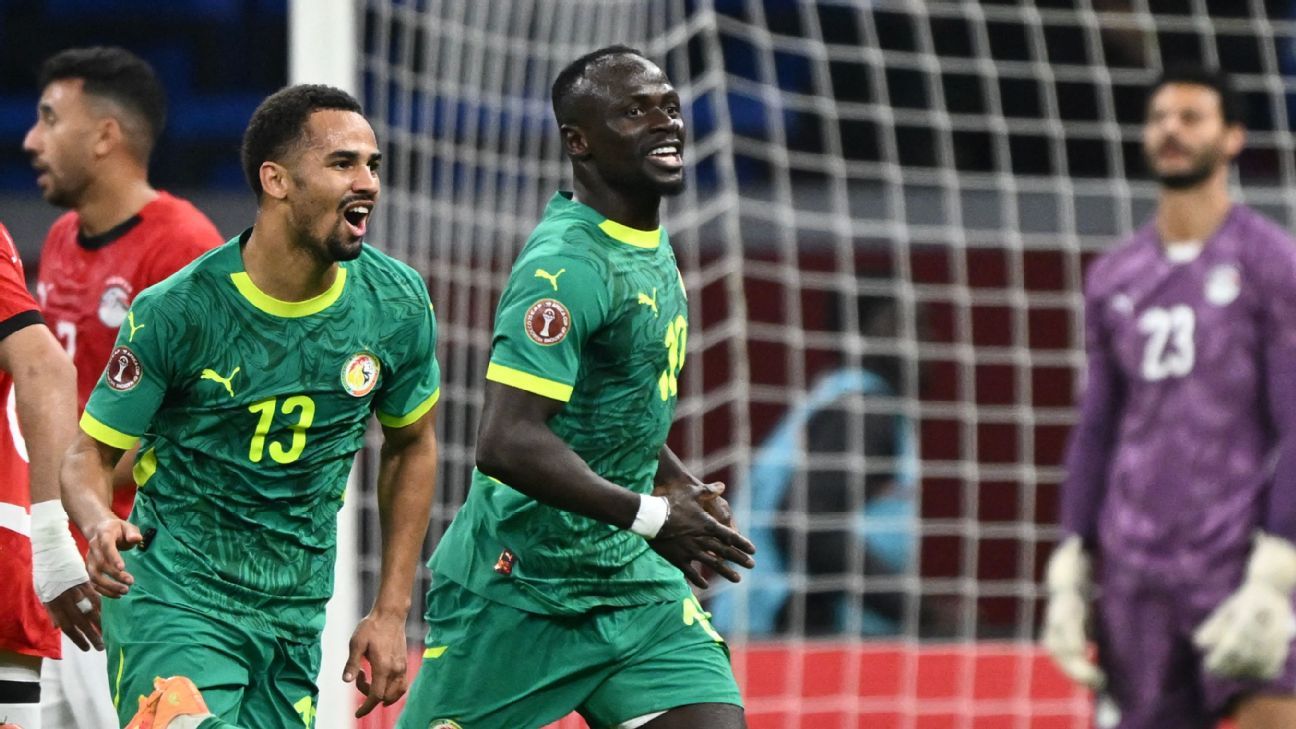
Senegal’s World Cup kit will lack two stars, but it’s unrelated to AFCON.
Senegal’s World Cup Jersey Controversy: Stars, Titles, and Turmoil
As the excitement builds toward the summer World Cup, Senegal’s national football team finds itself at the center of a jersey-related controversy. This year’s edition will see the Teranga Lions stepping onto the pitch with only one star emblazoned on their jersey, a decision stemming from a combination of timing, manufacturing, and unexpected governance decisions that have sent ripples through the soccer community.
The Jersey Journey: From Design to Production
The Senegalese Football Federation (FSF) recently clarified that the jersey’s design was in the works long before the chaos of past events unfolded. Production began in August 2025 with kit manufacturer Puma, indicating that the design was set prior to Senegal’s triumphant Africa Cup of Nations (AFCON) campaign, where they secured their second continental crown. The FSF’s statement emphasized that there were no grounds for alteration due to “manufacturing deadlines and industrial constraints.” Thus, the lack of a second star—representing their latest AFCON victory—was purely a byproduct of timing.
Players and supporters alike had initially anticipated a rich display of both stars, reflective of the nation’s soccer prowess and recent achievements. However, the stark reality of only one star will accompany the players as they head to the World Cup, leading to conversations about identity and recognition in the world of international sports.
The AFCON Title Controversy: A Twist of Fate
While initially brought to their knees in celebration following the Africa Cup triumph in January, Senegal’s joy was short-lived. On March 21, the Confederation of African Football (CAF) ruled that Senegal had forfeited the January 18 final against Morocco for leaving the field of play without the referee’s authorization, gifting Morocco a default 3-0 victory and causing a significant uproar within Senegal and beyond.
This sudden reversal of fortune raised numerous questions about transparency and fairness in CAF’s decision-making process. The FSF expressed its intention to appeal this controversial ruling, taking matters to the Court of Arbitration for Sport. The implications of this appeal extend far beyond sports; they touch upon the integrity of African soccer’s governing body and the need for more rigorous oversight within international football.
National Sentiments: Symbolism and Sacrifice
The symbolic nature of the jersey, especially in a nation like Senegal, where football serves as both passion and pride, cannot be overstated. The FSF acknowledged the cultural significance of having the second star represented on their jerseys, stating they understand the “legitimate attachment” that fans have to their national emblems. This sense of identity is crucial for many Senegalese, as football often unites a diverse populace under a singular banner of pride.
However, the FSF did attempt to reassure supporters, indicating that jerseys featuring both stars would soon come, projected for release in September 2026. This patience reflects the hope and resilience inherent in Senegalese society, despite the current turbulence surrounding their national football image.
The Wider Implications for African Soccer
Events surrounding the AFCON title and the subsequent decision by CAF have drawn the ire of the Senegalese government, which condemned the ruling as “grossly illegal and deeply unjust.” Many governments and institutions have begun to question the integrity of CAF, demanding investigations into alleged corruption through various channels. The evolving circumstances may influence not just Senegal but the entire landscape of African football governance.
CAF President Patrice Motsepe has defended the confederation against accusations of favoritism, especially concerning Morocco, which stands on the cusp of becoming a soccer superpower with its investments and as co-host of the 2030 World Cup. Whether or not these defenses hold firm against increasing scrutiny remains a focal point for stakeholders and fans alike.
In this milieu of uncertainty, Senegal’s football narrative emerges as a microcosm of larger questions facing African football. It encapsulates the incessant struggles for recognition, fairness, and administrative integrity in a sport that binds together countless nations under a collective dream of glory. As Senegal prepares for the World Cup—albeit with a lone star—its journey transcends the pitch, offering deeper insights into the spirit of a nation and the complexities of modern sports governance.
Related Posts
Explained: 2026 World Cup European Playoffs – Format, Teams, Schedule, and Viewing Options in the UK
Players’ union to receive UEFA Executive Committee voting privileges following two-year postponement