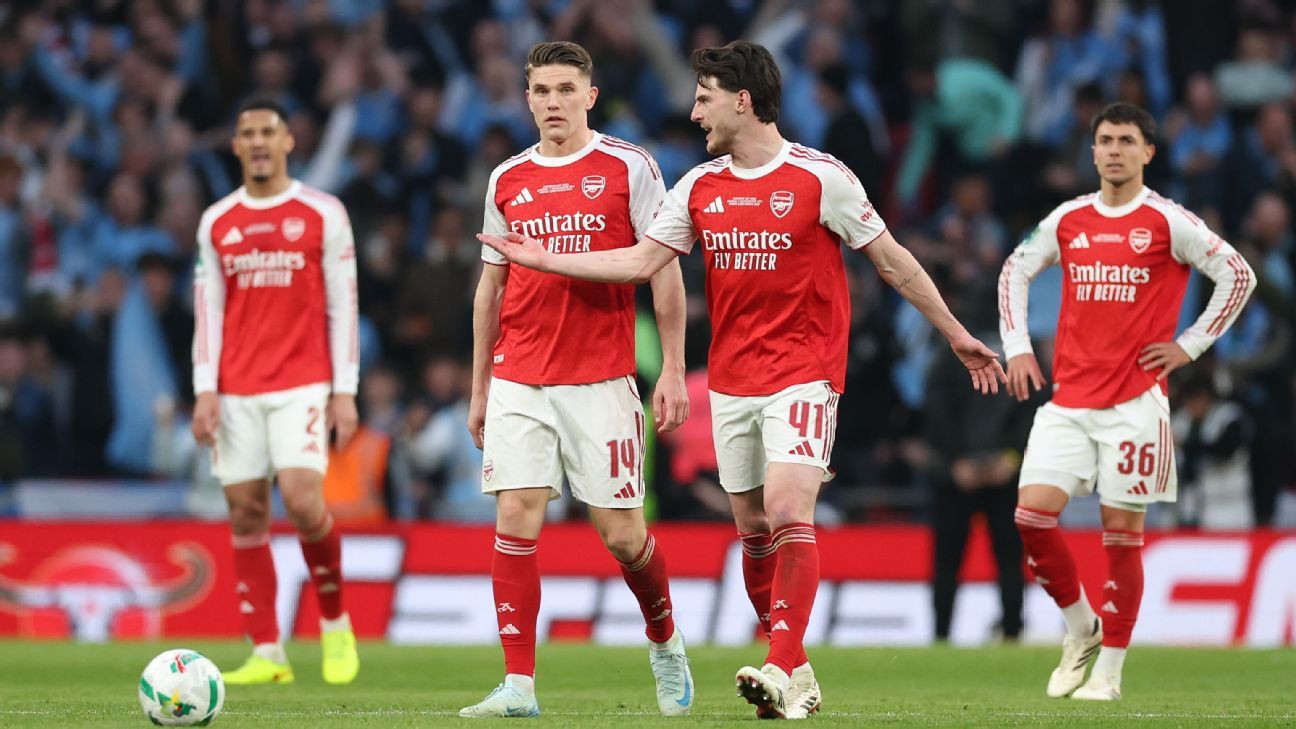

Salford City aims for global recognition through former Man United players and a rebranding effort.
Salford City: The Ambitious Rise of a Small Club with Big Dreams
A Vision for the Future
Salford City is not your average EFL League Two club. With aspirations to become the “best small club in the world by 2030,” they are on an ambitious journey that is turning heads in the footballing world. Co-owned by a group of football legends from Manchester United’s acclaimed “Class of ’92,” including Gary Neville and David Beckham, Salford aims to carve out a unique identity that resonates with both local fans and a global audience. Their strategy is both pragmatic and aspirational, leveraging history, branding, and community engagement to put themselves on the map.
A significant part of this vision hinged on a proposed rebrand that goes back to their roots: the traditional orange-and-black colors. This decision comes as they prepare for heightened visibility during high-stakes matches, such as their recent FA Cup encounter with Manchester City. Though they previously suffered a crushing 8-0 defeat in a similar fixture, the hope is that re-embracing their heritage will forge a deeper connection with supporters and attract new fans.
The Influence of David Beckham
Beckham’s involvement has been pivotal to Salford’s rebranding efforts. By taking inspiration from his Miami franchise, which successfully utilizes instantly recognizable pink shirts, Salford looks to harness the emotional and aesthetic power of color. Beckham himself noted that the shift back to orange-and-black could help reestablish Salford’s identity, associating the club with a rich local heritage that fans can rally around. As Beckham stated, this move is about “giving us that identity of what Salford is all about.”
In this context, the club has hired the Milk Agency, the same branding firm responsible for Inter Miami’s logo, to design a new crest reflective of their values and vision. This choice underscores a strategic intent to forge a distinct brand that resonates with both existing supporters and potential new ones. As Salford’s Chief Executive Gavin Fleig stated, a recognizable badge that features the club’s name will be essential for international identity.
Engaging the Community
Engagement with the local community has been integral to Salford’s journey, particularly as they look to solidify their identity. The decision to revert to their original colors was not made in a vacuum; it was put to a vote among season ticket holders, showcasing a commitment to fan involvement. With 77.1% voting in favor of the orange-and-black colors and 72% supporting a new club badge, the move is indicative of a broader desire to connect deeply with Salford’s identity.
As Salford works to improve their brand recognition, efforts are also in place to make the club more inclusive and engaging for fans. The intention is not only to draw home support but also to appeal to those who might follow other clubs in Manchester. There’s hope that distancing from the saturated red palette of Manchester United will attract a wider demographic, including some supporters from rivals.
Ambitions on and off the Pitch
On the sporting side, Salford’s aspirations extend beyond mere survival in the lower leagues. Following four promotions in five years, the club aims for Championship status within the next five years, with even higher aspirations in sight. Their current positioning in the playoff zone indicates a competitive spirit, yet they know that larger investments and a transformed club image will be essential for advancing their sporting ambitions.
The dual strategy of enhancing the brand while pushing for on-field success highlights Salford’s unique position in English football. Fleig described their vision succinctly: they want to build a club “that has Premier League potential.” This ambition resonates not only within the club’s management and ownership but with the community eager to see their local team rise through the ranks. With big names associated with the club, it has the dual challenge of high expectations and the need to remain grounded.
A New Era Begins
As Salford City prepares for its next chapter with new colors, a revamped crest, and a clear vision for the future, it serves as an example of how smaller clubs can not only survive but thrive amid the intense competition of English football. In transforming their identity, Salford is showcasing how a well-rounded strategy can enable even the most modest of clubs to compete for recognition on both local and international stages. The ambition is unmistakable, and the coming years may reveal just how high they can reach.
Related Posts
Stay or go? Slot’s future with Liverpool takes center stage in UCL discussions.
From Manchester United Struggles and England Criticism to a Fresh Contract: Why Harry Maguire Feels Restored