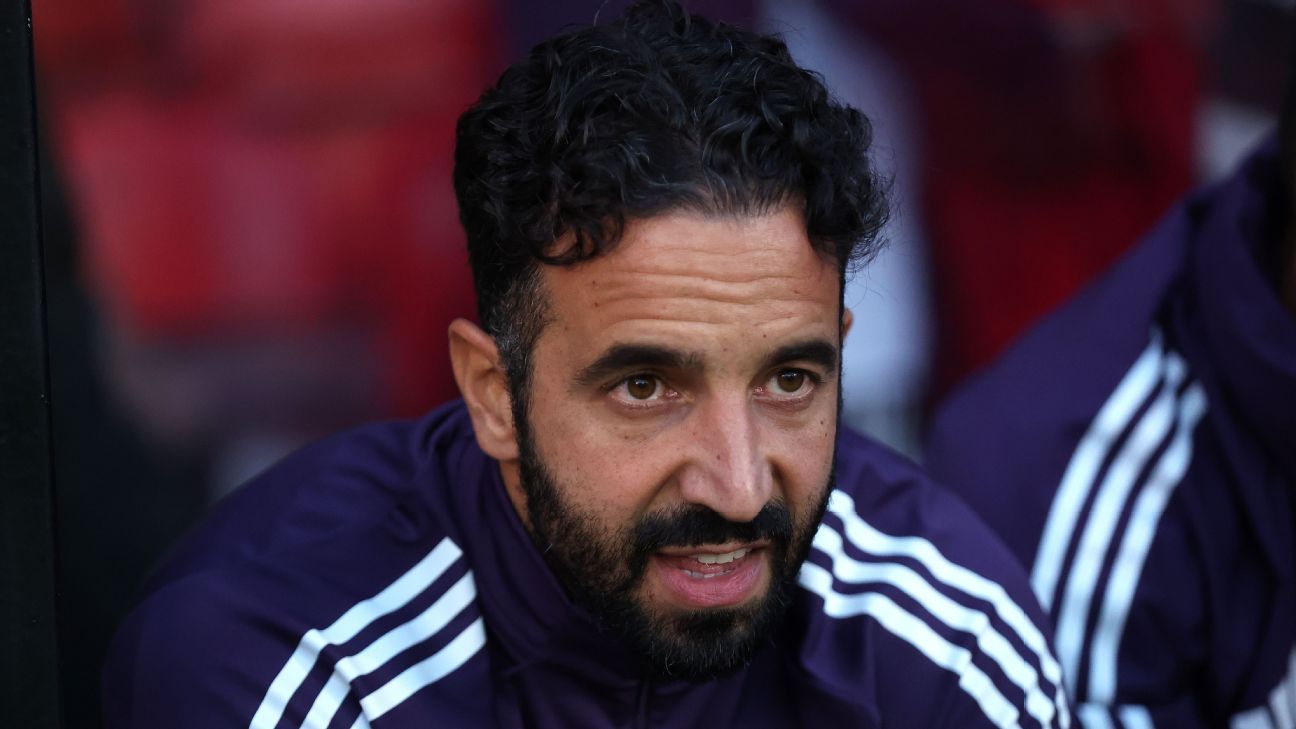
Ruben Amorim dismissed as Manchester United manager after 14 months.
Manchester United Sacks Ruben Amorim: What’s Behind the Decision?
On a dramatic Monday morning, Manchester United confirmed the sacking of head coach Ruben Amorim, just a day after he delivered a fiery post-match press conference following a 1-1 draw with Leeds United. The unexpected move has sent ripples through the football world, sparking discussions about the club’s direction, leadership dynamics, and the complexity of managing one of the sport’s most iconic teams.
The Context of Amorim’s Departure
Ruben Amorim’s tenure at Manchester United has been tumultuous, marked by challenges ranging from inconsistent performances to a perceived lack of support in the transfer market. After succeeding Erik ten Hag in November 2024, Amorim guided the Red Devils through a challenging 14-month period. Despite winning 24 out of 63 games, his record included only 15 victories in the Premier League this season, leaving United in a precarious sixth position after 20 matches.
The timing of the decision to part ways with Amorim is particularly intriguing, as it comes on the heels of his pointed comments during the post-match press conference. Frustrated by a lack of transfer activity, he challenged the club’s board to be more proactive. His criticism of the director of football, Jason Wilcox, raised eyebrows and suggested deeper stirrings within the club’s hierarchy. While sources close to the club emphasized that the sacking was not solely a response to Amorim’s comments, many observers are questioning whether his outspoken demeanor played a significant role in the decision.
The Fallout from the Leeds Draw
Amorim’s remarks following the draw with Leeds were a pivotal moment. He stressed his desire to be recognized as the manager, not just a coach, signifying a yearning for greater authority in squad decisions. His critique of Wilcox insinuated a lack of understanding or support from the club’s higher-ups, hinting at growing tensions. The press conference was seen as a watershed moment—a reflection of a manager at odds with expectations and realities at one of football’s most storied clubs.
The fallout from this situation emphasizes the challenges faced by managers at elite clubs, where performance pressures are immense, and the relationship with the front office can be just as crucial as the one with players. In an age when transparency and communication are vital, Amorim’s words struck a nerve, leading many to speculate that the board’s decision stemmed from concerns about his authority being undermined.
Leadership Dynamics and Team Performance
Much of the speculation surrounding Amorim’s departure revolves around Manchester United’s leadership dynamics. The club has long struggled with consistency at both managerial and administrative levels, making it challenging to build a coherent strategy. Director of football Jason Wilcox’s role came under scrutiny amidst this upheaval, with reports denying that a personal rift between him and Amorim was the primary cause of the sacking. Nevertheless, it is difficult to ignore the mounting evidence that United’s leadership has been less than harmonious.
As Amorim exits, the club must grapple with its future direction. Will the next appointment prioritize stability, or will it signal a brand new chapter in the ongoing quest to reclaim Manchester United’s former glory? The appointment of current under-18s boss, Darren Fletcher, as his temporary replacement for the upcoming match against Burnley suggests a focus on familiarity and internal solutions as the club navigates this transition period. Fletcher’s familiarity with club culture could help stabilize the squad amidst uncertainty.
Future Prospects for Manchester United
The road ahead for Manchester United presents both opportunities and challenges. With Amorim now gone, the front office is tasked with finding a new head coach capable of overseeing not just immediate results but also fostering long-term growth. As whispers circulate regarding potential candidates, the club must ensure that they align not only with the team’s footballing philosophy but also with the broader vision for revitalizing the brand.
The situation will put immense pressure on the decision-makers within the club, as fans and players alike look for signs of progress. The uncertainty surrounding transfers, management style, and team cohesion will undoubtedly affect morale. Support from the top brass is essential to empower the new coach and indeed, the entire squad, fostering a sense of trust and shared goals. The challenge will be to rebuild confidence within the ranks while striving to secure a more stable and competitive position in the league.
Ruben Amorim’s departure marks another chapter in Manchester United’s storied narrative, encapsulating the challenges of top-tier football management, the importance of cohesive leadership, and the persistent desire for excellence in the beautiful game.