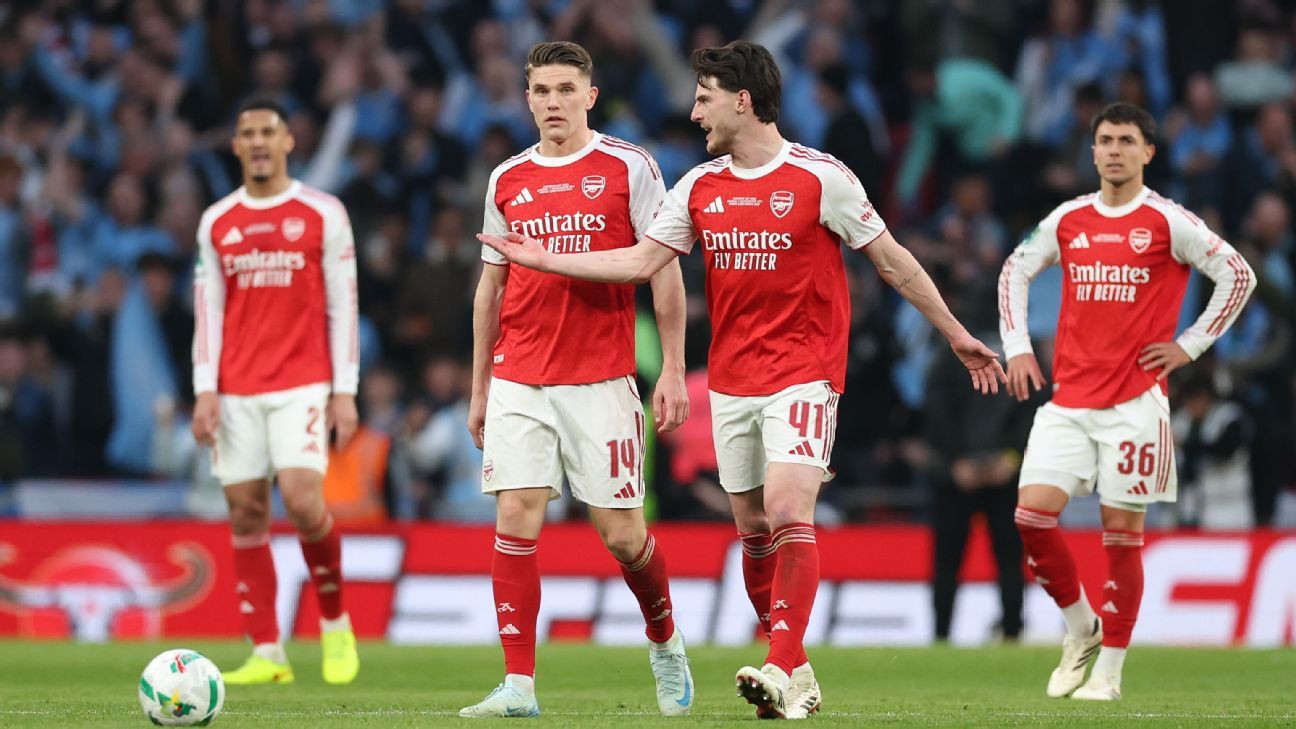
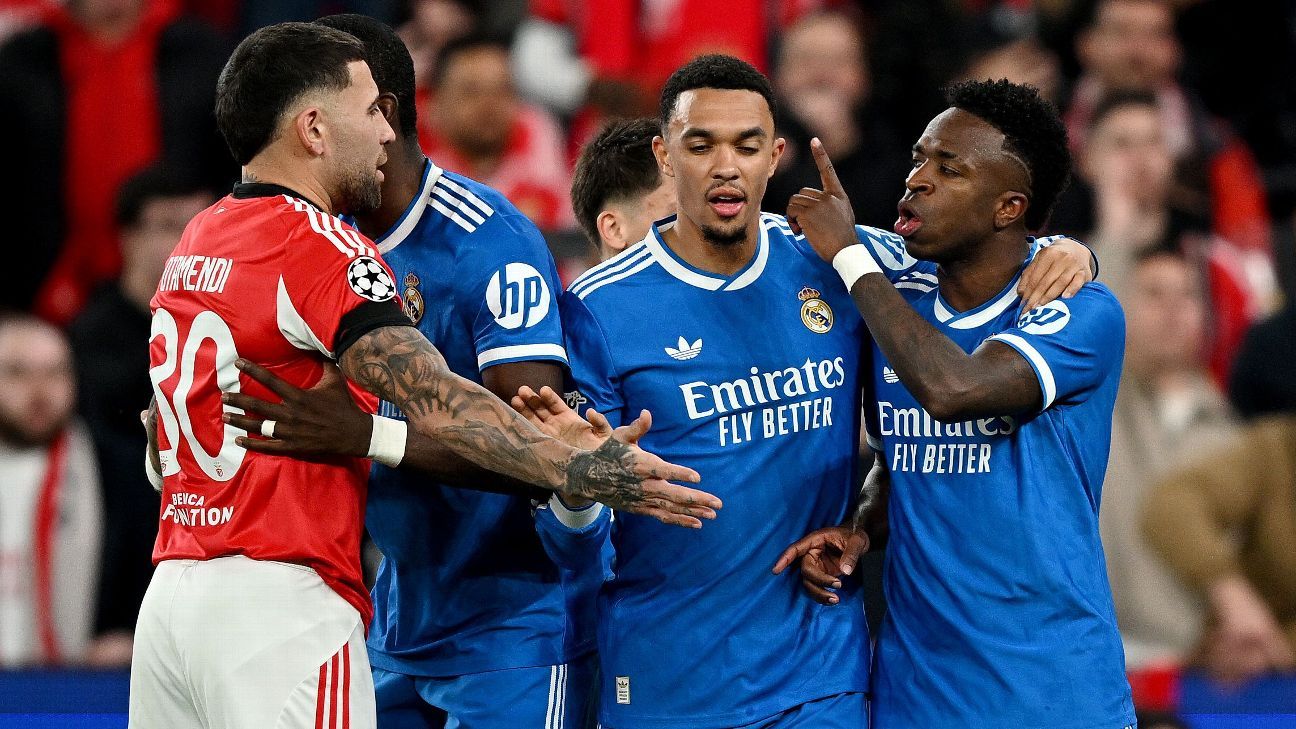
Real Madrid gained insights from their Champions League defeat against Benfica.
A Night of Contrasts: Real Madrid vs. Benfica at Estadio da Luz
The storied backdrop of Lisbon’s Estadio da Luz saw two contrasting spectacles unfold within just three weeks. As Real Madrid returned to face Benfica, the dichotomy between their last clash and this latest encounter highlighted not just the high stakes of elite football, but also the emotional rollercoaster that often accompanies the beautiful game. The greasy fingerprints of victory and defeat were all too evident as Madrid carried away a narrow 1-0 win amid a series of poignant moments that captured the essence of modern football.
Learning from Defeat: Madrid’s Tactical Evolution
The echoes of humiliation from a 4-2 defeat lingered in the minds of Real Madrid players and fans alike. In their previous meeting, the Spanish giants had wilted under pressure, losing their composure against an adventurous Benfica. Fast forward three weeks, and a noticeably more focused Madrid emerged, spearheaded by coach Álvaro Arbeloa. Under his guidance, the team displayed a strategic shift to a compact 4-4-2 formation, emphasizing discipline and control.
Eduardo Camavinga and Federico Valverde were essential as they offered protection to their fullbacks, effectively frustrating Benfica’s attacking maneuvers. Observers noted the stark contrast in Madrid’s style; gone was the chaotic, disorganized approach replaced by a team that thrived on structure, showcasing a newfound maturity. Arbeloa’s system hampered Benfica’s chances and allowed Madrid to dictate the tempo, pushing them one step closer to the knockout stages.
A Stunning Moment Turned Sour: Vinícius Júnior’s Goal and Racial Abuse Incident
The game’s narrative took an unexpected turn just after the halftime break when Vinícius Júnior opened the scoring with a breathtaking goal. His curling shot soared over the outstretched hand of Benfica goalkeeper Anatoliy Trubin, sending Madrid fans into raptures. Yet, the jubilant moment was overshadowed by an unsavory incident that would mark the night.
Following his goal, Vinícius accused Benfica’s Gianluca Prestianni of racial abuse, prompting a 10-minute stoppage as the officials invoked UEFA’s anti-racism protocol. Emotions ran high among the players, with teammates like Aurélien Tchouaméni and superstar Kylian Mbappé vocally supporting Vinícius. The situation left a pall over the match; even Mourinho expressed disappointment, stating that after that incident, the game essentially ceased to be about football.
Such moments force us to confront the darker undercurrents in sports, where talent and artistry stand in stark contrast to intolerance and prejudice. This incident not only highlighted the ongoing fight against racism in football but also underscored the emotional weight carried by players who find themselves at the epicenter of such events.
Benfica’s Spirited Response: Echoes of the Past
As Benfica prepared to welcome Madrid, the home side aimed to replicate the electrifying drama of their previous triumph. The pre-match atmosphere crackled with anticipation as a tribute video reminded fans of Anatoliy Trubin’s header that had catapulted them to the knockout rounds. A massive banner, emblazoned with the words “Until the end,” waved in defiance of the challenges that lay ahead.
However, Benfica’s early promise turned into disappointment as Madrid grew into the match. Their early momentum, fueled by a fervent crowd, gradually diminished under Madrid’s growing control. Despite their efforts, Benfica struggled to unlock a resolute Madrid defense, signifying a shift in the balance of power. While the fervor of the fans echoed with memories of previous glories, in this match, it was Madrid’s experience and tactical rigor that ultimately prevailed.
Mourinho vs. Arbeloa: The Clash of Styles
This encounter was not merely a contest between clubs but also a clash of philosophies. José Mourinho, ever the master tactician, had orchestrated Benfica’s previous victory with a daring approach that targeted Madrid’s vulnerabilities. On this occasion, however, Arbeloa’s side effectively neutralized much of Mourinho’s influence, showcasing a strategic calm that had often eluded their predecessors.
The match saw Mourinho’s frustration bubble to the surface, culminating in a red card for dissent. His failure to inspire the same spark earlier success was palpable; the charismatic coach, renowned for his motivational skills, found himself spectating from the stands rather than leading from the touchline. In contrast, Arbeloa embodied a new era for Madrid—one that married discipline with creativity and, as the game unfolded, shifted the narrative from a club haunted by past failures to one that once again wore the crown of European giants gracefully.
As Madrid heads back to the Bernabéu for the second leg, there’s a palpable sense of superiority despite a slim advantage. The events of this match will fuel their ambitions, but the shadows of racial abuse and emotional turmoil remind us that the world of football is as complex as it is beautiful, mirroring the struggles and triumphs of society itself.
Related Posts
Stay or go? Slot’s future with Liverpool takes center stage in UCL discussions.
From Manchester United Struggles and England Criticism to a Fresh Contract: Why Harry Maguire Feels Restored