Ranked: Top and Bottom Summer Transfers of 2025 from the Premier League and Beyond
The Transfer Market Phenomenon: A Reflection on the 2025 Summer Transfers
The excitement of the summer transfer window is palpable for football fans around the globe. As clubs gear up to reshape their squads, this year’s summer window was nothing short of revolutionary. With a staggering $9.76 billion spent on acquiring approximately 12,000 new players, clubs broke records that had only recently been set. According to FIFA, this year’s deals not only marked a significant increase of over 50% from previous seasons but also showcased some interesting trends regarding player performance in their new environments.
The Surge in Spending: UEFA Leads the Way
This monumental financial outlay was predominantly driven by UEFA clubs, which accounted for $8.5 billion of the total spending. England alone contributed $3.19 billion, outpacing Spain, Germany, France, and Italy, which collectively spent over $650 million each. The phenomenon didn’t stop at mere figures; it was also characterized by an increase in activity, with around 1,000 more players changing teams compared to the previous summer. The Big Five leagues in Europe rose to the occasion, spending approximately $6.5 billion, making up two-thirds of the global expenditure.
Interestingly, while clubs were willing to invest significantly to acquire new talent, the data from Transfermarkt presents a sobering reality. Out of the 203 transfers that exceeded €10 million in the Big Five leagues, the newly imported players collectively played only about 45% of their teams’ minutes up to mid-November. For those who commanded transfer fees of at least €35 million, this figure improved slightly to 49%. This raises the poignant question: when clubs invest such enormous sums, are they getting adequate returns on their investment?
Assessing Transfer Value: Metrics of Success and Failure
As we dive deeper into the analysis, a crucial aspect surfaces: the measurement of success in football transfers often relies on quantitative metrics. One of the ways to assess transfers is through a concept dubbed “value left on the bench.” By multiplying a player’s transfer fee by the percentage of minutes played, clubs can gauge the potential waste involved in a signing.
For example, Liverpool’s acquisition of Alexander Isak for €107.88 million stands out, as he has only featured in a quarter of the Premier League minutes thus far. The financial strain becomes even more apparent when you consider that, in the first few months following massive transfers, clubs can feel the strain of lost points due to underutilized players. With the stakes this high, the expectations from these signings extend beyond immediate performance, anchoring on long-term value.
The Dark Side of Transfers: A Closer Look at Underperforming Signings
Not all transfers hit the mark—some lead to disappointments that can haunt clubs for seasons. Analyzing the worst-performing transfers can often reveal broader trends about club strategy, scouting, and overall decision-making. The list of ten worst deals prominently features those involving hefty financial commitments with minimal returns in terms of on-field performance.
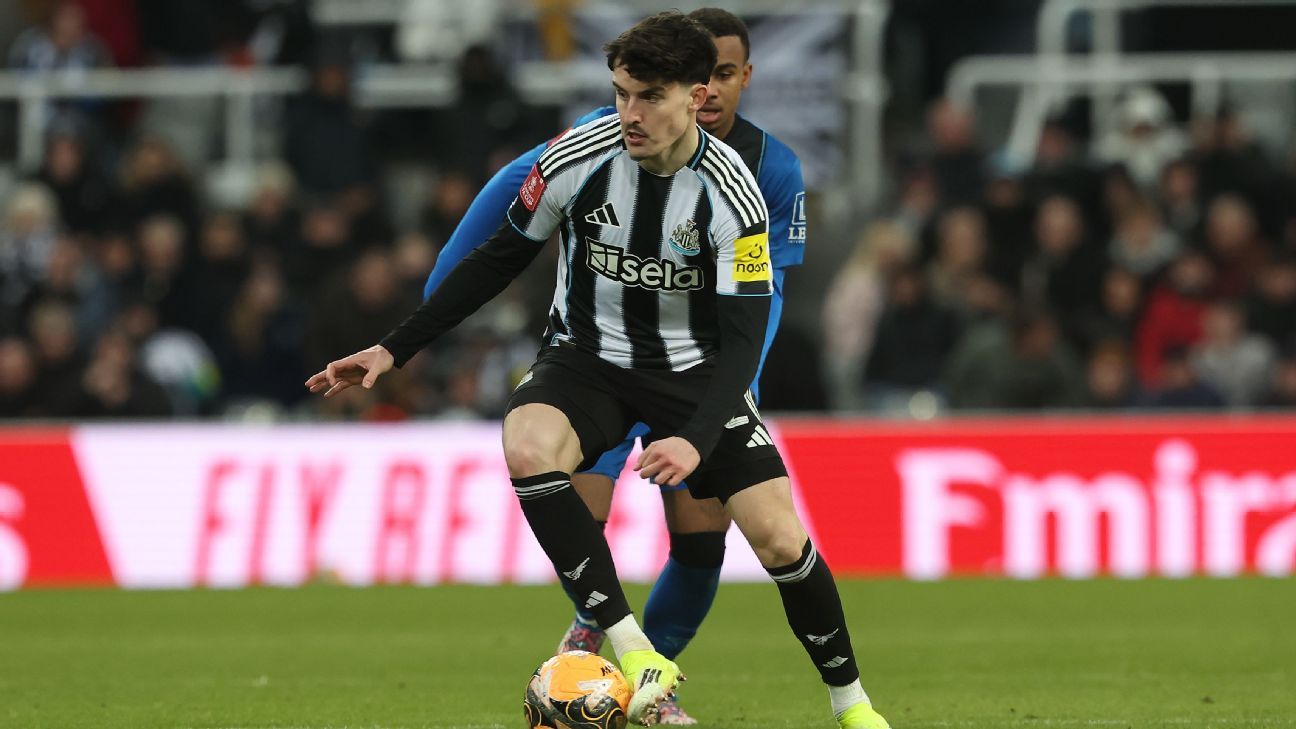
Leading the underwhelming pack is Yoane Wissa’s move from Brentford to Newcastle for €57.7 million, where he has yet to make a single minute of an impact, highlighting the risks inherent in transactions involving older players who might not offer the longevity needed post-transition. Following closely behind, Liverpool’s Alexander Isak has faced similar woes, showcasing how even the most expensive signings can struggle to fit into new systems, teams, or cultures.
In contrast, younger players tend to show a modest increase in adaptability. Yet, investing large sums in unproven talents remains a gamble fraught with potential pitfalls. As seen with players like Tyler Dibling and Omari Hutchinson at Everton, the pressure to deliver immediate results can lead to a toxic environment for developing talent, especially when the player is thrust into the limelight too soon.
Bright Spots in the Chaos: The Most Successful Transfers
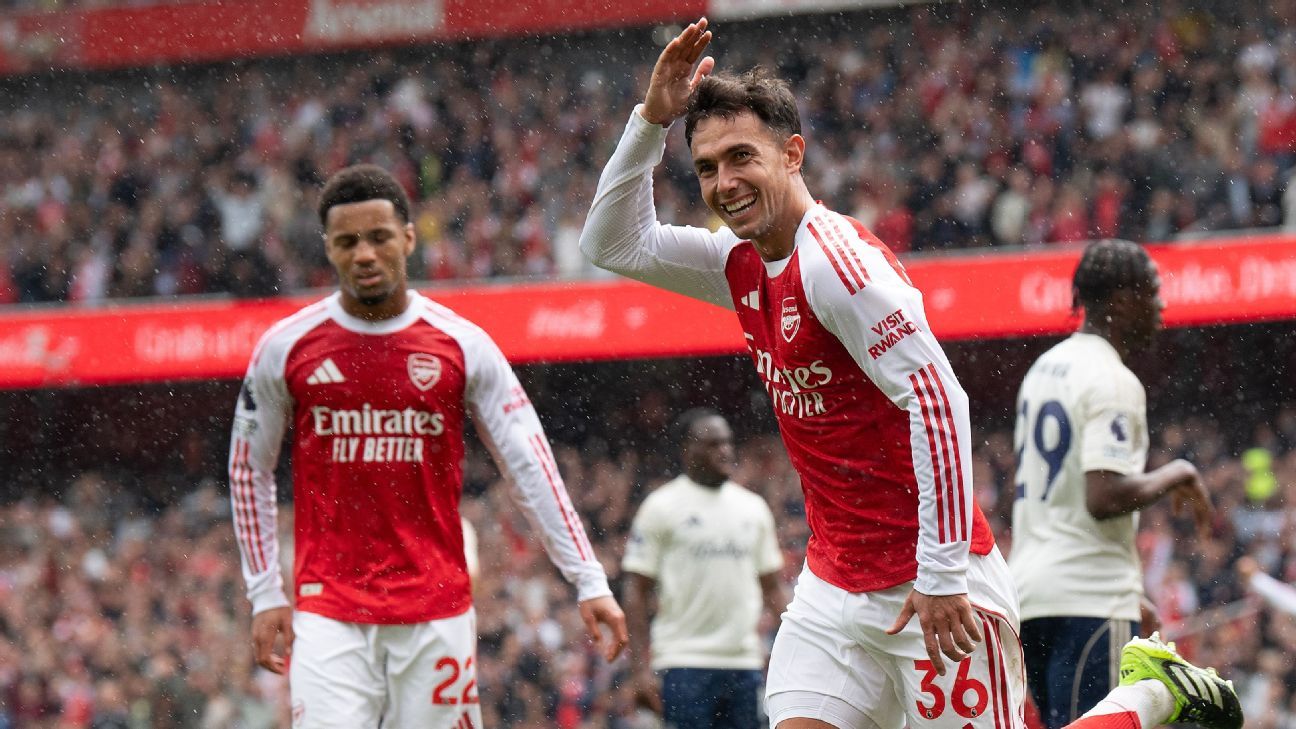
Despite the list of flops, the summer of 2025 also brought forth remarkable success stories. Players who have seamlessly integrated into their new squads illustrate the potential goldmine hidden within the chaos of the transfer market. Martin Zubimendi’s move to Arsenal stands out as he has become crucial for the club’s defensive structure, playing nearly every minute and completing more line-breaking passes than any of his teammates.
Similarly, Bryan Mbeumo’s arrival at Manchester United proved to be a shrewd decision, with him becoming a pivotal player. Even as older players, acquiring such seasoned talents enhances immediate returns, shaping the trajectory for clubs hoping to compete at the highest levels.
As the season unfolds and more data becomes available, analyzing transfers will continue to be a fascinating journey through the complex financial and social landscape of professional football. This window into both the triumphs and tribulations teaches teams invaluable lessons about navigation, adaptability, and the ever-evolving nature of football economics. From spending behaviors to performance metrics, the depth of the summer transfer market offers endless insights into the strategies that can make or break a club’s season.