PSG instructed to pay Kylian Mbappé $70 million in back wages dispute.
Kylian Mbappé vs. Paris Saint-Germain: An Explosive Legal Showdown
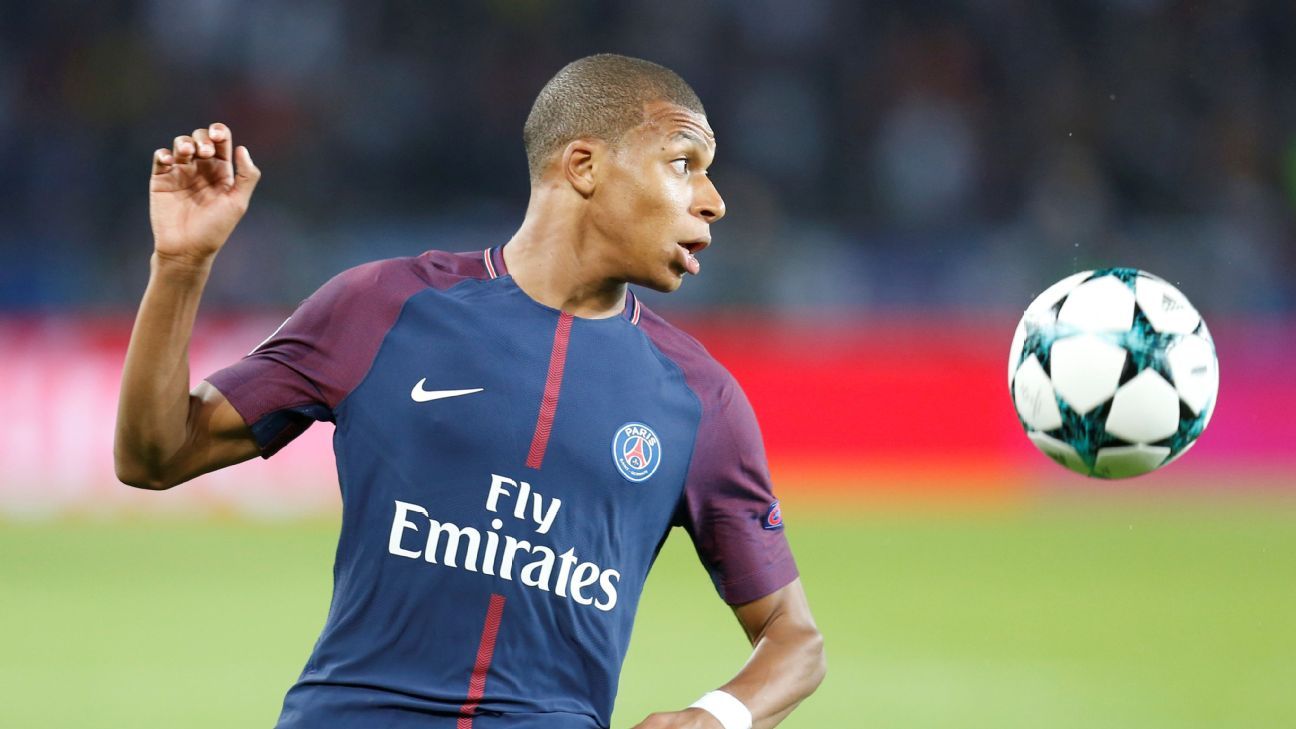
In a landmark ruling that resonates deeply within the world of professional football, a Paris labor court recently decided in favor of Kylian Mbappé, ordering Paris Saint-Germain (PSG) to pay him over €60 million ($70 million) for unpaid wages and bonuses linked to his contract negotiations prior to his departure to Real Madrid in 2024. This decision follows a tumultuous period fraught with accusations, allegations of betrayal, and the complex interplay of commercial interests that often defines top-tier football today.
The Genesis of the Dispute
The saga can be traced back to a series of events that unfolded after Mbappé’s contract negotiations with PSG in mid-2023. After a lucrative contract extension in 2022—reportedly the most lucrative in PSG’s history—Mbappé decided not to renew his contract, which was set to expire in 2024. This decision placed the club in a precarious financial position, depriving them of a possible substantial transfer fee. Prior speculation suggested Mbappé might leave, fueling the tension between him and the club.
In the court of public opinion, the narrative shifted dramatically, with PSG accusing Mbappé of not adhering to an alleged agreement to reduce his pay if he chose to leave without a transfer fee. This claim of “hidden information” became central to the club’s argument, as they argued that such a choice violated principles of good faith and contractual obligation. Mbappé’s camp, however, maintained that PSG had failed to provide evidence to support these accusations, and insisted that he had fulfilled all his responsibilities throughout his tenure at the club.
Claims and Counterclaims: The Financial Stakes
The legal wrangling quickly escalated in financial proportions, with Mbappé’s lawyers initially demanding over €260 million ($305 million) from PSG as part of their claims for unpaid wages and bonuses. PSG, on the other hand, sought €440 million in damages, arguing that Mbappé’s departure on a free transfer constituted a significant “loss of opportunity.” Not only did they miss out on a potential transfer fee, but they also claimed that Mbappé’s delayed announcement of his decision caused considerable financial harm.
The Paris court sided with Mbappé in its recent ruling, a move seen as a significant triumph for player rights in the sport. His representatives hailed the decision as a reaffirmation of the obligation to honor contractual commitments, emphasizing that “labor law applies to everyone,” regardless of stature or fame in the footballing world. This statement highlights a broader conversation about the nature of power dynamics between clubs and players, with implications that could ripple throughout the sports industry.
The Fallout: A Bitter Relationship
The relationship between PSG and Mbappé soured significantly during the lead-up to this legal battle, reflecting a growing rift that began with his decision not to formalize a contract extension. The fallout saw Mbappé sidelined from key preseason activities, including a tour and the opening league match of the season. This punitive action was characterized by many as a response to Mbappé’s perceived lack of loyalty.
Yet, Mbappé’s advisors assert that he handled the situation with professionalism. They highlighted how Mbappé participated in over 94% of matches during the 2023-2024 season, further arguing that his commitment to PSG remained intact right up until his departure. The accusations of harassment leveled against him by PSG were firmly denied, suggesting a deepening conflict that went beyond simple contractual disagreements.
The Future of Player Contracts
As the dust settles on this chapter, the implications of the ruling extend beyond the immediate financial obligations of PSG towards Mbappé. This case could usher in a new era in player-club relationships, challenging the traditional dynamics that many players have faced in negotiating their worth and rights.
The ongoing disputes, now punctuated by legal rulings, may set a precedent for how similar cases are handled in the future, especially against a backdrop where player mobility and financial security are paramount in an increasingly commercialized sport. The balance of power in football is under scrutiny, with this case shining a light on the contractual complexities and emotional stakes involved in the modern game.
In the end, this was not just about money; it underscored the evolving nature of these high-stakes relationships in football, revealing how personal decisions, club loyalties, and financial imperatives can intertwine in ways few could have anticipated. With potential appeals on the horizon, and more revelations likely to come forth, the saga between Kylian Mbappé and Paris Saint-Germain is far from over.