Premature FIFA World Cup Rankings: Egypt with Salah Tops Morocco with Hakimi and Senegal with Mane
Africa’s Stronghold: A Deep Dive into Its World Cup Contenders
As the world gears up for the 2026 FIFA World Cup, excitement is palpable, particularly for African football enthusiasts. For the first time ever, the continent will have at least nine representatives, showcasing a diverse spectrum of talent and ambition. However, with this historic achievement comes the question: are these teams mere participants, or are they real contenders capable of making a mark on the tournament’s grand stage? This article will delve into the strengths and weaknesses of each African qualifier while examining their prospects in the United States, Canada, and Mexico.
A Historical Perspective
With nine spots guaranteed, African nations are on the cusp of writing a new chapter in football history. This unprecedented representation signals a growing recognition of African nations on the global scale and reflects the depth of talent emerging from the continent. Recent years have shown that African teams increasingly compete on equal footing with more established footballing nations. With teams like Senegal, Morocco, and Egypt boasting strong squads and world-class players, expectations are higher than ever.
Take Morocco, for example. They not only qualified for the World Cup but did so with a 100-percent record, setting a precedent for future teams. Historically, African nations have struggled in the tournament—except for a few standout performances, such as Cameroon and Ghana reaching the quarterfinals. However, it’s imperative to understand the evolving football landscape and the increasing competitiveness of African teams, shedding light on their potential to break barriers this time around.
Evaluating the Contenders
Each nation’s qualification journey offers insights into its prospects. For our analysis, we have evaluated five key areas: the quality of the qualifying campaign, historical World Cup pedigree, current FIFA rankings, squad strength, and coaching quality.
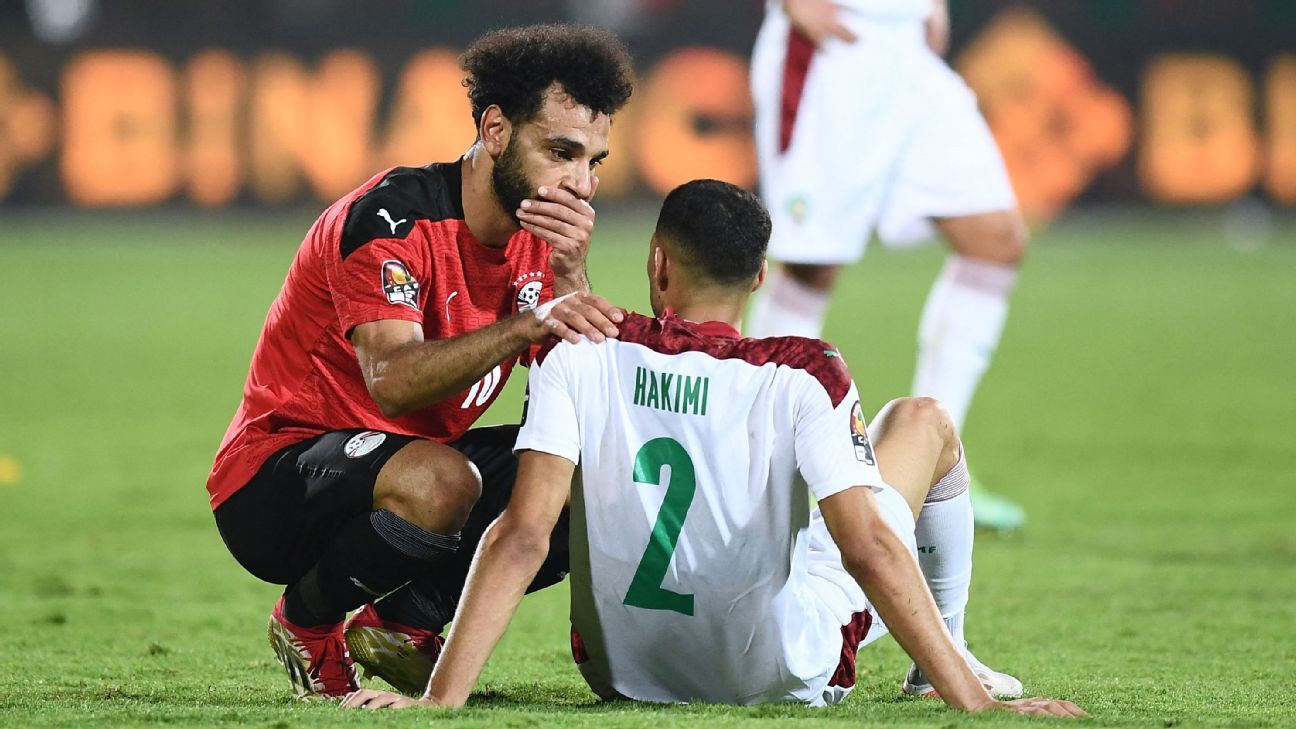
Morocco stands out as the top contender. With their 100-percent qualification run and a formidable squad anchored by star players like Achraf Hakimi, they not only have talent but also tactical savvy under coach Walid Regragui. Following closely is Senegal, the reigning Africa Cup of Nations champions. Their impressive show in the last World Cup after reaching the Round of 16 elevates their status in the tournament.
Then there’s Egypt, a team rich in history but lacking success on the World Cup stage. While they can rely on Mohamed Salah’s extraordinary talent, their past performances raise concerns about their ability to progress beyond the group stage. These evaluations set the tone for understanding the nuances of each team’s preparedness and potential.
Key Players to Watch
Individual brilliance often makes the difference in high-stakes matches. Each of the African teams will rely heavily on key players to rise to the occasion. Take Senegal’s Sadio Mané, who not only serves as the team captain but also has the experience and skill to influence matches significantly. His performances during the AFCON have cemented his role as one of the continent’s most influential players.
For Egypt, all eyes will be on Salah, who returns with a point to prove after injury hampered his previous World Cup appearance. In Morocco, Hakimi’s versatility and tactical awareness place him among the elite defenders globally. The ability of these players to deliver in critical moments could be the difference between early exits and deep runs into the tournament for their respective teams.
Additionally, the emergence of younger talents like Mohamed Kudus from Ghana and Sebastien Haller from Ivory Coast adds a layer of depth and excitement. These players not only represent a bright future for their nations but also for African football as a whole.
Coaching and Tactical Approaches
While the players capture the spotlight, coaching strategies lay the groundwork for success. The tactical approach and mental resilience imparted by head coaches can significantly influence a team’s destiny. For instance, while Morocco’s Regragui has the right blend of tactical knowledge and experience, Senegal’s newly appointed Pape Thiaw must harness the talents at his disposal while navigating group stage challenges.
In South Africa, coach Hugo Broos has revitalized a struggling national side, securing qualification after a long absence from the World Cup. His ability to inspire confidence and foster team cohesion will be critical for Bafana Bafana as they aim to prove the doubters wrong in 2026.
Understanding these coaching dynamics and tactical philosophies can offer a window into each team’s potential strategies and adaptability on the world stage. Will they play conservatively, focusing on defense and counter-attacks, or adopt an aggressive style to seize opportunities?
Upcoming Challenges
As the tournament nears, each African team’s path is riddled with hurdles. The draw can drastically affect prospects; facing teams like Brazil or France in the group stage poses a daunting task. However, the unpredictability of football gives these nations hope. The thrilling dynamics of the World Cup create opportunities for giant-killing, with fierce competitions leading to unexpected outcomes.
Moreover, the broader implications of these performances extend to the future of African football as a whole. Success in the World Cup can bolster investment in local leagues, enhance youth development programs, and inspire an entire generation of players.
In summary, this upcoming World Cup is not just an opportunity for African teams to showcase their talent; it’s a moment for the continent to redefine its narrative on the world stage. With nine unique stories set to unfold, the excitement is palpable as Africa seeks to make history in 2026.