Pochettino states that World Cup ticket costs are unrelated to the USMNT.
Pochettino Speaks on World Cup Ticket Prices: An Insight into Sport and Responsibility
The High Cost of Attendance
As the anticipation builds for the upcoming World Cup set to take place across the United States, Canada, and Mexico from June 11 to July 19, conversations surrounding ticket prices have gained significant attention. Reportedly, tickets can reach an astounding list price of up to $8,680, with additional costs for parking that can soar to $175. These figures have stirred a whirlwind of criticism, especially from supporters who argue that such pricing makes attending the event financially prohibitive for many fans.
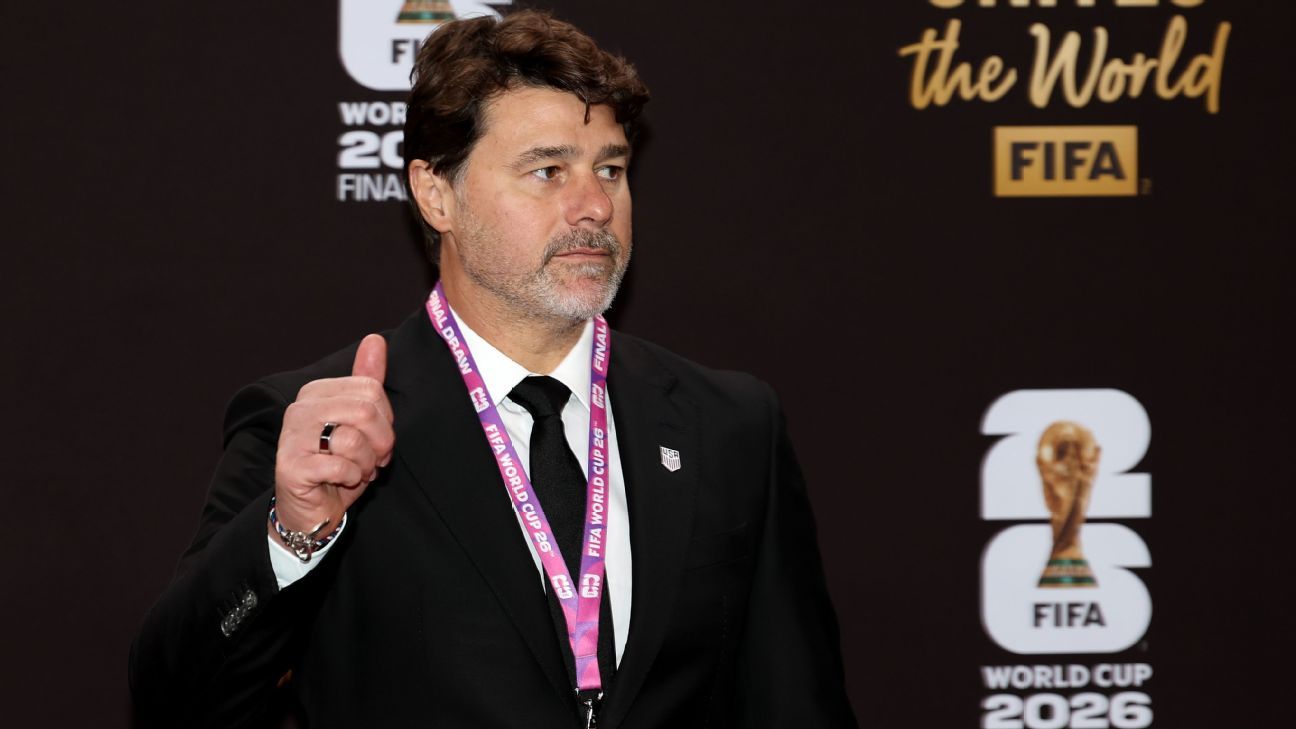
In a recent discussion with reporters, U.S. men’s national team coach Mauricio Pochettino addressed these contentious issues. While he acknowledged the immense responsibility and pressure surrounding the event, he maintained a firm stance that neither he nor his players should delve into discussions about ticket pricing. Instead, their focus should pivot solely toward preparing the team to perform well on the pitch. In a world where sports often intertwine with politics and economics, Pochettino’s remarks emphasize a delineation between sporting duties and external economic pressures.
Player Perspectives: Weah’s Concern
American winger Timothy Weah raised eyebrows when he recently commented in the French media about the high cost of World Cup tickets. His concerns resonated with many fans and players alike—highlighting an ongoing debate within the sports community about accessibility and affordability for average supporters. Weah’s sentiments reflect broader frustrations not just within football but across many sports arenas, where ticket prices often exclude loyal fans from enjoying the events.
In a world increasingly driven by commercial interests, the discontent surrounding ticket pricing points to a crucial issue: the disconnect between executives’ financial decisions and the everyday enthusiasts who form the backbone of the sport. While players can express their frustrations, many, including Pochettino, believe they should remain focused on their “day job” of playing football rather than critiquing the logistical decisions of governing bodies like FIFA.
FIFA’s Position on Pricing
FIFA president Gianni Infantino has defended the ticket pricing strategy, claiming that the organization has received over 500 million requests for tickets—a statistic that inherently suggests a high demand. During the videoconference, Pochettino pointed out that while the rates might seem excessive, they stem from a calculated decision made by FIFA, which he believes is responsible for justifying their pricing strategies to the public.
In light of this precarious balance between commercial viability and fan access, Infantino’s comments hint at a challenging duality: the need to cater to a global audience eager to witness one of the biggest sporting events while simultaneously grappling with the essential question of affordability. Pochettino urged that the conversation about ticket prices is best left to those in charge, indicating that he trusts FIFA to manage these complexities while the focus remains on the game.
A Team Focused on Performance
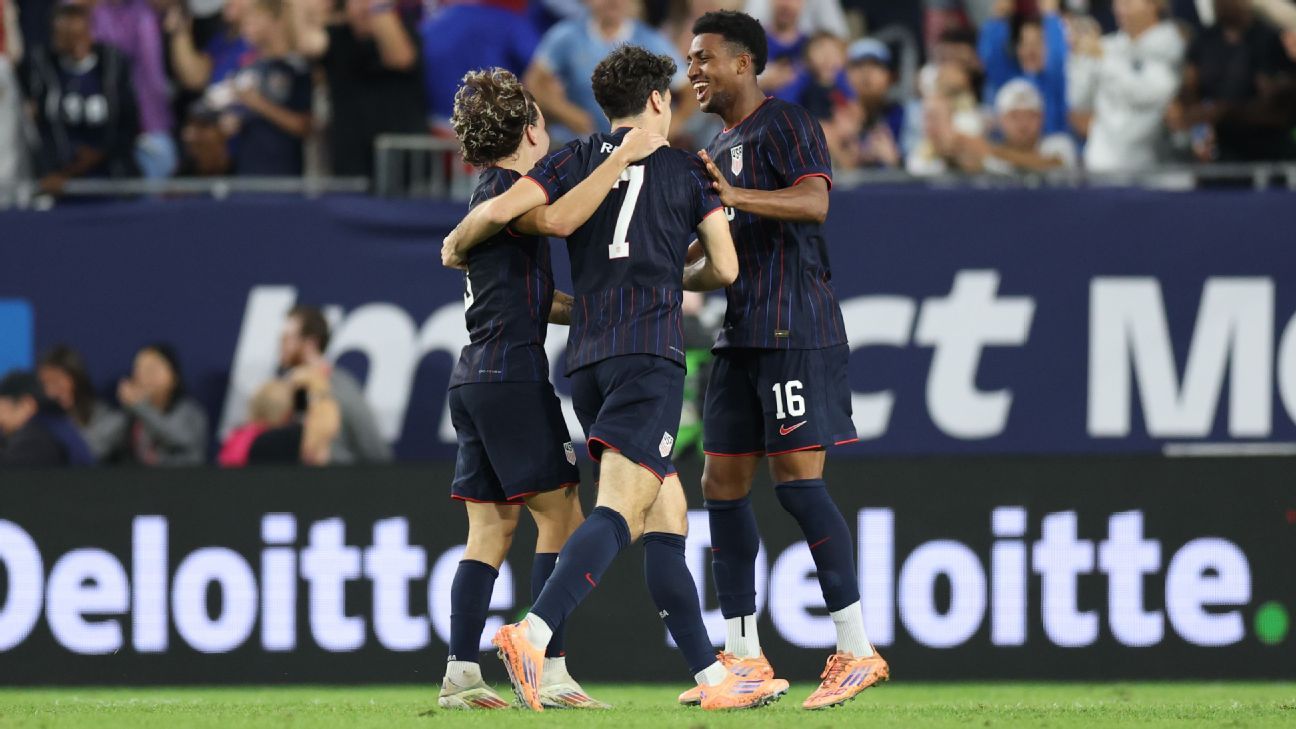
As the U.S. men’s national team gears up for its World Cup journey, they are set to engage in a series of friendlies, with notable matches against teams like Belgium and Germany leading up to the tournament. These matches serve as crucial preparation for the squad as they aim to solidify team dynamics and individual performances before the global spotlight descends on them in June.
Pochettino reiterated that the team’s primary mission is clear: preparing for and excelling on the field. He underscored the idea that athletes should shine in their craft and allow the governing structures to manage the business facets of the sport. Taking into account the pressures of international sport, the coach’s outlook aligns with a growing sentiment within athletics that emphasizes the need for balance between performance and external concerns.
As the conversation surrounding World Cup ticket prices continues, it underscores broader themes of accessibility, governance, and the pure love of the game that both players and fans continue to cherish. In this increasingly commercialized arena, the challenge remains to find equilibrium between the sport’s integrity and its market forces, echoing the sentiments of a community united by passion, skill, and the pursuit of excellence without losing sight of the average supporter’s experience.