Players from the Netherlands Turning Suriname’s World Cup Aspirations into Reality
Suriname’s Inspirational Journey in World Cup Qualifying
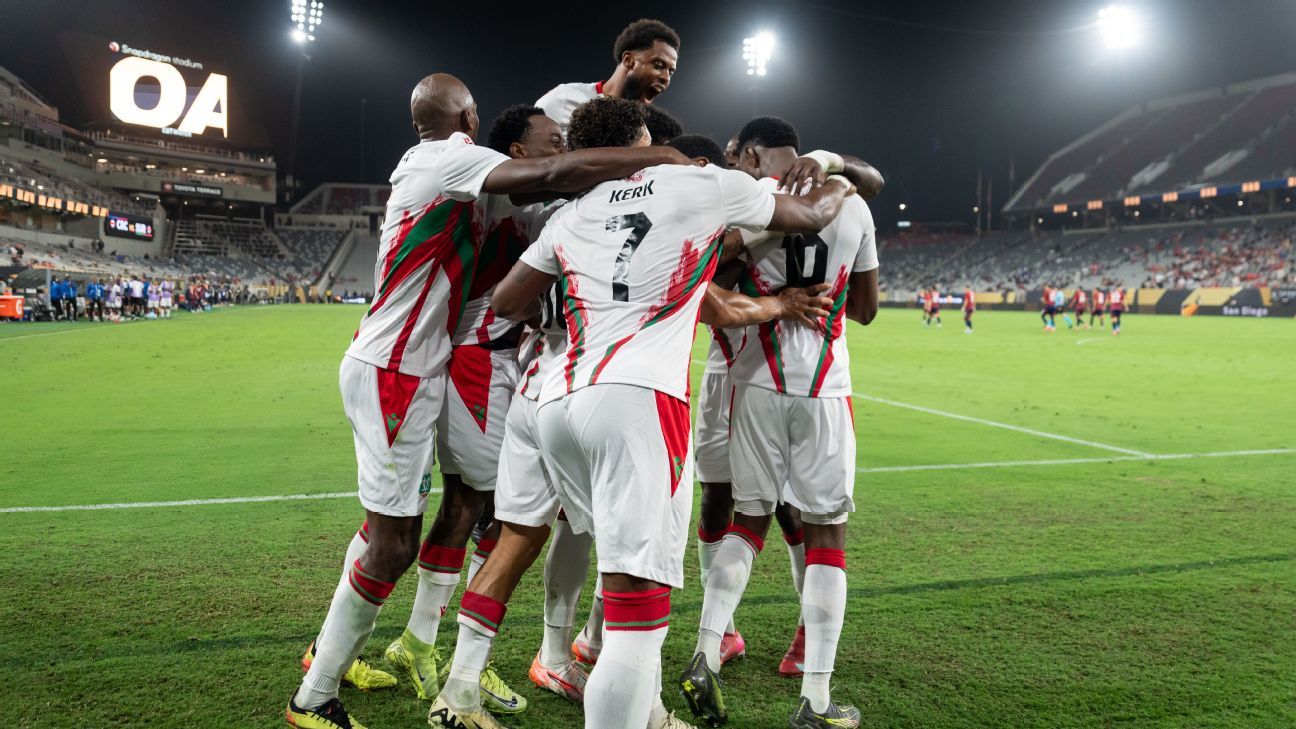
As the atmosphere crackled with excitement at the Franklin Essed Stadion in Paramaribo, the Suriname men’s national soccer team, affectionately known as the Natio, etched a remarkable chapter in its history. The team’s 1-1 draw against Guatemala, featuring a sensational stoppage-time goal from Virgil Misidjan, not only salvaged a point but also solidified their position at the top of Group A in World Cup qualifying. The excitement in the stands was palpable; the drummers continued to beat their rhythm, and supporters waved flags as if the team had already clinched qualification. This burgeoning hope brings a wave of optimism not only to the players and their families but to a nation hungry for success and recognition on the global stage.
A New Generation of Footballers
The Natio’s roster tells a compelling story of identity and heritage. While the squad represents Suriname on an international level, most players, like Misidjan and goalkeeper Etienne Vaessen, were born in the Netherlands. The colonial ties date back to the 17th century when the Netherlands ruled Suriname until its independence in 1975. This blend of backgrounds has facilitated a unique opportunity: players whose parents or grandparents hailed from Suriname can don the national colors, bridging a cultural and emotional gap.
Despite their foreign origins, these athletes embody the spirit of Suriname. The jubilation that erupted after the match against Guatemala was a testament to their commitment to the country’s legacy. Vaessen, addressing the crowd that had clamored for selfies, expressed a profound connection with the fans, saying, “I give everything for the country, and they feel that, too.” This sense of belonging has transformed the narrative surrounding the Natio—these players are not just representatives; they are national heroes.
A Rich Soccer Legacy
Soccer has deep roots in Suriname, with historical moments that have significantly shaped the nation’s athletic identity. Club team Transvaal once ruled the Concacaf scene, and legendary Surinamese players like Edgar Davids and Clarence Seedorf have impacted Dutch football. Nonetheless, the national team’s performance waned for decades, overshadowing earlier triumphs. Until recently, there was a void in international representation, particularly after Suriname enjoyed its last major successes during the 1980s.
The tide began to shift with the country’s participation in the 2021 Concacaf Gold Cup—its first in 36 years. Under the stewardship of then-coach Dean Gorré, who advocated for the issuance of dual-nationality passports, Suriname began an exciting new chapter. This pivotal change allowed many talented players to join the national team, sparking a revival that the current squad now embodies.
The Road to the World Cup
As Suriname advances through World Cup qualifying, the stakes couldn’t be higher. The country sits atop Group A, its highest position since the 1970s, holding aspirations of reaching a World Cup for the first time in history. The proximity of this goal has galvanized both players and fans, infusing them with a sense of possibility. Suriname’s success depends not only on talent but also on the unyielding support of its people, who yearn for national pride amidst years of struggle.
The road is still fraught with challenges, notably a crucial match against Panama that looms on the horizon. Fans have rallied behind the Natio, instilling hope and belief in their ability to secure a spot in the tournament. The exciting momentum has stimulated conversations about what World Cup qualification would mean for the nation, transcending soccer to touch cultural and economic aspects of life in Suriname.
A Broader Impact Beyond Football
Suriname’s resurgence as a potential footballing powerhouse has reignited interest from the diaspora in the Netherlands and beyond. As former players and current athletes alike create initiatives to give back to the homeland, there’s a widespread desire to enrich both soccer and socio-economic conditions in Suriname. Dutch-Surinamese footballers like Georginio Wijnaldum have made headlines not just for their performances on the pitch but also for their commitment to philanthropy back home.
Wijnaldum, though ineligible to play for Suriname due to his extensive caps for the Dutch national team, wore a red Natio jersey during a recent match, symbolizing solidarity and hope. His involvement has inspired others to invest in grassroots projects, from upgrading schools to supporting local athletes. This surge of interest and investment can create sustainable pathways for youth to pursue sports professionally, thereby reshaping the societal fabric of Suriname.
As the current generation of Surinamese footballers draught from a rich legacy while aiming to carve out their own, the Natio’s journey in World Cup qualifying reflects more than just a quest for sporting glory; it encapsulates a struggling nation’s quest for identity, pride, and resurgence through the beautiful game. Every dribble, every goal, every cheer serves as a reminder of what they are fighting for—a brighter future for themselves and their fellow citizens.