Path to the 2026 World Cup: Insights Gained by the Socceroos in North America
The Socceroos: Preparing for World Cup 2026 with Coach Tony Popovic
As Australia gears up for the 2026 FIFA World Cup, there’s a palpable sense of urgency surrounding the Socceroos. With just two international windows left for preparations—a maximum of four games—head coach Tony Popovic finds himself in a unique yet challenging position. While there is more football to be played domestically, the focus on the national squad is intensifying. Popovic’s recent scouting endeavors, including watching A-League matches and international fixtures, reflect a dual approach—strategize for the World Cup while monitoring player form and fitness.
Recent Matches: A Mixed Bag of Insights
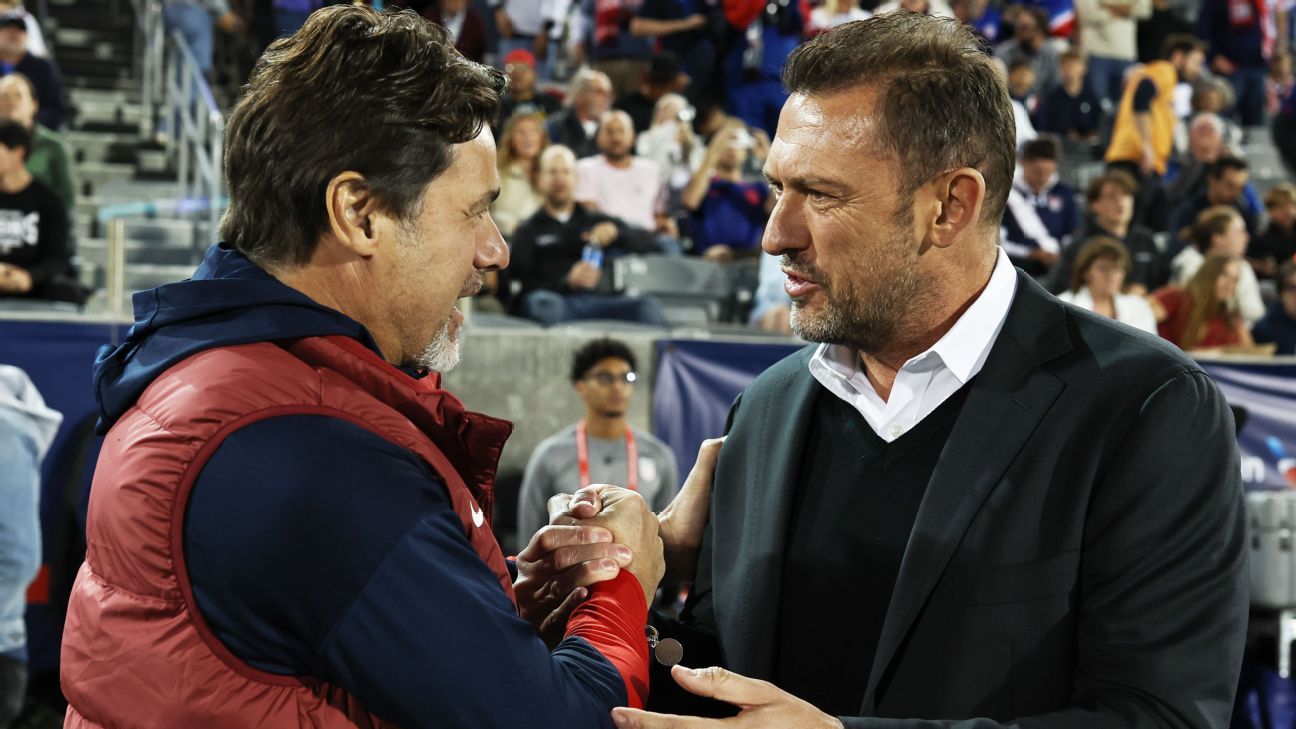
In the latest international window, Australia faced both triumph and defeat. The 1-0 victory against Canada showcased the squad’s capabilities, but the subsequent 2-1 loss to the United States—Popovic’s first defeat as head coach—served as a critical learning opportunity. The U.S. national team, being one of the highest-ranked opponents faced in Popovic’s tenure, provided an excellent benchmark to measure the Socceroos’ competitive edge.
Popovic emphasized the positive aspects of the experience, stating, “I think we showed tonight we can definitely be competitive at the World Cup.” Yet it’s clear that lessons must be taken from these games. Against Canada, the team was resolute defensively, but they struggled with attacking fluidity until key players like Jordan Bos and Lewis Miller entered the fray. In contrast, while the Socceroos pressed higher against the Americans and created more chances, defensive lapses were noticeable, particularly given the challenge of playing at altitude in Denver.
Assessing Player Performance: Emerging Talents and Established Veterans
As the countdown to the World Cup continues, the Socceroos squad is starting to take shape, with emerging players like Jordan Bos and Jacob Italiano making strong cases for their inclusion. Bos has demonstrated remarkable ability in progressing the ball, while Italiano’s consistent performances during these international windows signal a readiness to take on bigger responsibilities.
Veteran players like Miloš Degenek and Cameron Burgess bring a wealth of experience to the backline, forming a backbone for the team as they navigate the complexities of international play. However, Popovic and his coaching staff are also tasked with identifying younger talents that not only excel individually but also fit cohesively into the team’s evolving structure. With the potential inclusion of players like Nestory Irankunda and Mohamed Toure, the balance between youth and experience will play a crucial role in the strategic formation of the final World Cup squad.
The Challenge of Building a Cohesive Unit
Building the final team for the World Cup is akin to piecing together a jigsaw puzzle. The staff must consider not just the individual talents but also how these players can complement one another within different tactical setups. Assistant coach Paul Okon noted the necessity of monitoring around 60 players, underlining the depth of talent available and the challenge of making the right calls for the final squad.
Finding the right combinations to ensure fluid transitions between defensive solidity and attacking dynamism is paramount. Popovic emphasizes creating a style of play where players are adaptable, enabling them to perform multiple roles based on the game situation. This flexibility will be critical when facing Kye Rowles, who may not fully fit the left-back role but brings essential defensive capabilities.
Strategy in the Countdown: Assessing Tactical Approaches
With the World Cup less than a year away, Popovic’s approach is marked by strategic foresight. Every training session and match becomes an opportunity to refine tactics that promise to unlock greater midfield involvement and adaptability. The contrasting approaches within games against Canada and the U.S. serve as a microcosm of what lies ahead—they highlight the necessary balance between attack and defense that Popovic seeks to cultivate.
In the lead-up to the World Cup, expect a focus on intensifying team cohesion, with Popovic reiterating that the players must also buy into the unique playing style developed for the national team. This includes not just honing individual skills but also enhancing team dynamics. As Mitchell Duke noted, Popovic fosters an environment of confidence, making it easier for players to express themselves while remaining true to the game plan.
As the Socceroos prepare for their next international encounter, the blend of experienced hands and budding stars is likely to dictate the narrative of Australia’s pursuit of glory on the world stage. With their upcoming matches not just mere formality but crucial tests, they represent an essential stepping stone towards further optimizing the team for the ultimate challenge that awaits in North America come 2026.