Panama Official Suspended Again for Body-Shaming Female Athlete
FIFA’s Sanctions on Panama’s Federation President: A Controversial Moment in Soccer
Panama’s Historic World Cup Qualification
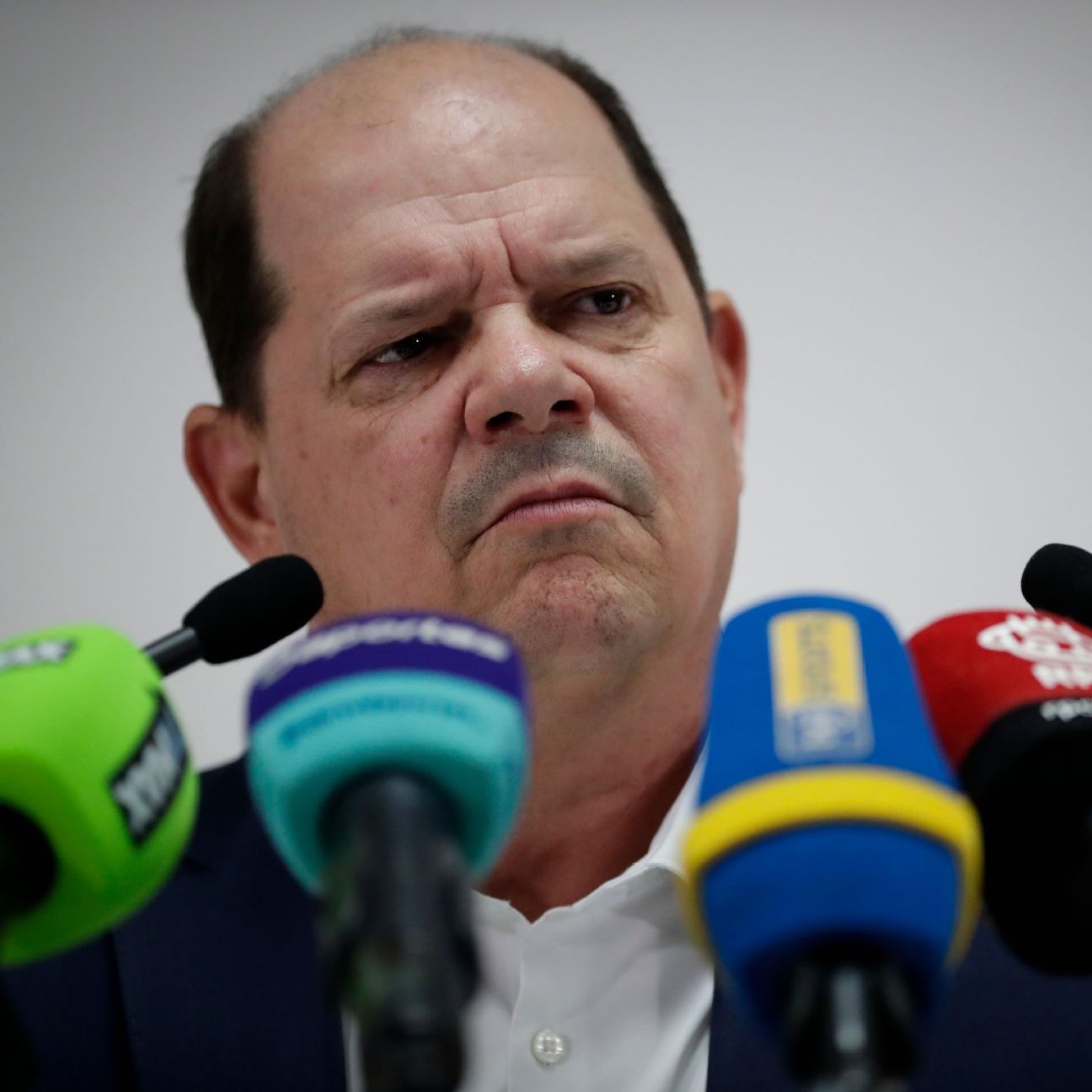
On November 21, 2025, just days after Panama secured its spot in the 2026 FIFA World Cup—the first-ever joint-hosted tournament by the United States, Mexico, and Canada—the nation was thrust into the headlines for reasons beyond its on-field performance. The Confederation of North, Central America, and Caribbean Association Football (Concacaf) announced Panama’s qualification following a decisive 3-0 victory over El Salvador. The excitement around this monumental achievement, however, was overshadowed by a significant sanction imposed by FIFA on Manuel Arias, the president of the Panamanian Football Federation.
While the team’s success generated jubilation among fans and players alike, the storm brewing off the pitch aimed at Arias served to remind the soccer world that the sport isn’t free from controversies surrounding ethics and leadership accountability. As a nation that has long aimed for recognition on the global stage, Panama now finds itself grappling with the implications of Arias’s actions in the wake of a historic qualifying campaign.
Ethics and Accountability in Soccer Leadership
FIFA’s decision to impose a six-month ban on Manuel Arias stems from a prior incident where he fat-shamed women’s national team star, Marta Cox. In 2024, following Cox’s critical comments regarding the setup of the national team, Arias suggested that she was “fat.” Such derogatory remarks highlight a broader issue of the treatment of female athletes within the sport, drawing attention to the urgent conversation about equality and respect in soccer. Rather than simply being a matter of personal conduct, Arias’s comments underscore the systemic issues that many female players continue to face, even as they break significant barriers in their sport.
In an era where sports governance and ethics are under intense scrutiny, FIFA’s response—including a financial penalty of 20,000 Swiss francs (approximately $25,000)—reflects the global organization’s attempts to enforce standards of conduct among its officials. However, the lack of detail regarding how Arias breached the previous ban has raised questions about transparency and the effectiveness of FIFA’s disciplinary measures. Is the governance structure robust enough to handle behavior that undermines professionalism and respect in sport?
The Road to the World Cup: A Bitter Sweet Journey
While Arias’s sanction could dampen the celebrations surrounding the national team’s World Cup qualification, the success itself is historic. This World Cup will mark Panama’s second appearance on soccer’s biggest stage, following their debut in 2018. Their recent victory against a previously competing El Salvador solidified their top-three finish in the qualifying rounds, demonstrating growth and resilience within the team’s structure.
As Arias grapples with the consequences of his behavior, the Panamanian national team remains focused on their preparation for the World Cup. Balancing the pride of competing on an international stage with the turmoil of their federation leadership will be a challenge. The coaching staff and players will need to redirect their energies toward performance, bearing in mind that they represent not only their country but also the broader movement for women’s rights within the sport—a topic increasingly relevant both on and off the field.
Implications for Future Football Governance
Arias has the option of appealing FIFA’s sanctions, but the context surrounding his case presents an opportunity for reflection on the standards of governance within football organizations. Striking a balance between administrative leadership and the welfare of all players, particularly women, should be at the forefront of football governance discussions. The Panamanian Football Federation must prioritize ethical leadership that fosters respect, inclusivity, and a supportive environment for all athletes.
As the lead-up to the World Cup continues, the scrutiny on Arias’s conduct and its repercussions emphasizes the pressing need for accountability across all levels of the sport. Initiatives aimed at ameliorating the ethics of football governance may need to include not only disciplinary measures for infractions but also educational programs designed to foster a culture of respect and equality. This transformation is essential not just for compliance but for nurturing the next generation of leaders in global soccer.
In summary, while Panama’s qualification for the World Cup should be a time of celebration, it highlights the complexities and challenges that come with leadership in sports. With ongoing discussions surrounding the treatment of athletes and adequate enforcement of ethical conduct, the conversations ignited by Arias’s actions may serve as a pivotal moment for positive change in football governance and treatment of players in the years to come.