Nigeria vs Algeria AFCON Head-to-Head Overview – A Tight Matchup in the Quarterfinals
A Classic Rivalry: Nigeria vs. Algeria in the Africa Cup of Nations
The history between Nigeria and Algeria in the Africa Cup of Nations is a riveting tale woven with drama, athletic excellence, and fierce national pride. As these two footballing powerhouses prepare to face off once again, it’s essential to delve into their storied encounters, showcasing the ebb and flow of their rivalry, the contexts of their matches, and the incredible narratives that have unfolded over the years.
The Historical Context
The first match between Nigeria and Algeria took place 55 years ago at the 2nd All-Africa Games in Lagos, laying the groundwork for a rivalry that has since blossomed into one of the most compelling in African football. With a total of 22 encounters that include 10 at the Africa Cup of Nations (AFCON), this rivalry is steeped in history. Both teams boast impressive legacies, with Nigeria having won the AFCON trophy multiple times, and Algeria recently securing their own triumph in 2019.
The significance of their matches goes beyond mere statistics; they encapsulate national identity and aspiration. For both nations, football is more than a sport. It serves as a unifying force, a source of national pride, and a platform for their athletes to showcase their talents on an international stage. With former champions clashing in the quarterfinals, the excitement is palpable, and football fans are in for a treat.
Memorable Matches and Turning Points
As we explore the matches that defined this rivalry, several encounters stand out. The AFCON semifinal in 1988 saw Algeria’s Lakhdar Belloumi heat up the contest with provocations that electrified both players and fans alike. After a gripping encounter filled with injuries, excitement, and a nerve-wracking penalty shootout, Nigeria emerged victorious. Peter Rufai’s remarkable goalkeeping not only secured Nigeria’s path to the final but also etched his name into the annals of Nigerian football history.
Fast forward to AFCON 1990, where the roles reversed dramatically. Nigeria, under new coach Clemens Westerhof, fielded a rookie side that experienced a disastrous 5-1 defeat at the hands of the Fennecs, marking Algeria’s biggest win over their rivals. The match was a harsh wake-up call for Nigeria that would resonate throughout their AFCON campaign.
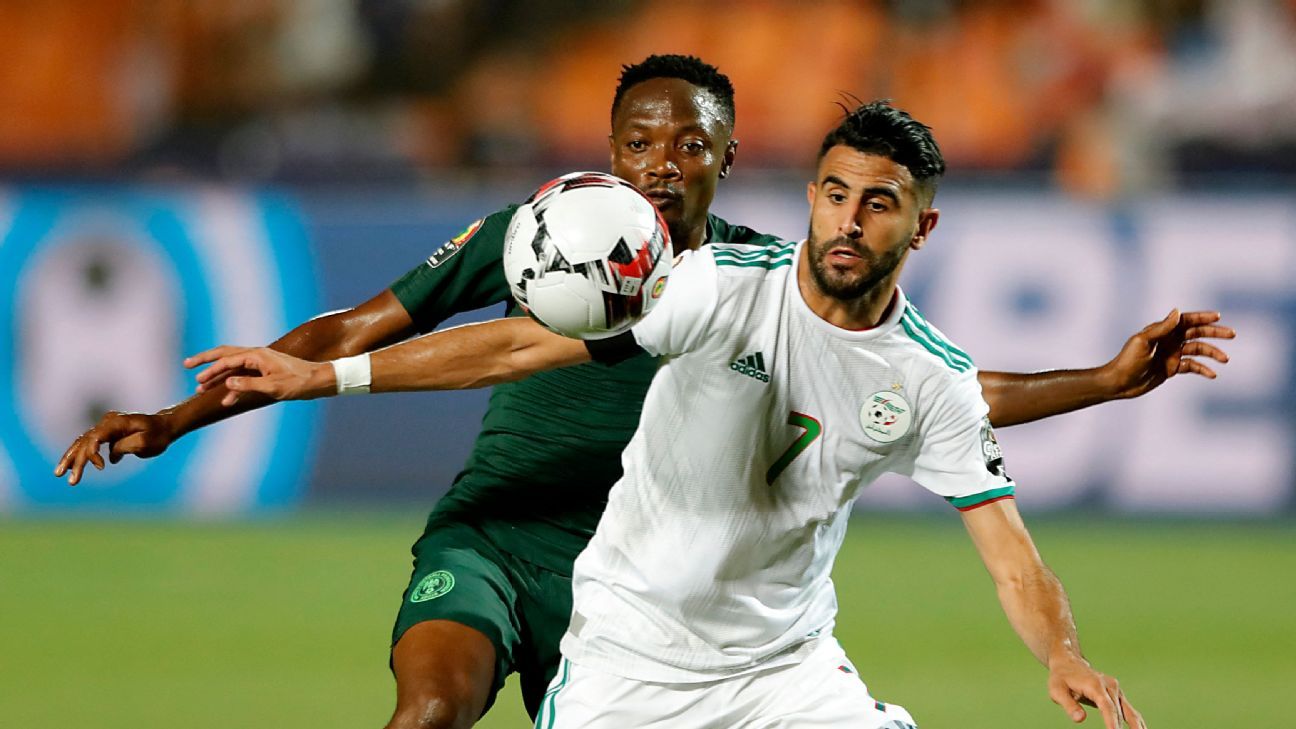
In more recent memory, the 2019 encounter added to the legendary status of this rivalry. With an own goal from Nigeria’s William Troost-Ekong echoing previous matches, it was Algerian wizard Riyad Mahrez who delivered the final blow in injury time with a perfectly curled free-kick, sealing Nigeria’s fate and sending Algeria to the final.
Characteristic Styles of Play
Both nations bring distinct styles of play to the pitch, reflecting their football cultures. Nigeria’s Super Eagles have long been celebrated for their speed, agility, and technical skills, producing prolific attackers and dynamic midfielders capable of altering the game’s flow instantly. Conversely, Algeria combines strategic discipline with flair, often showcasing an intricate passing game and a strong midfield presence.
Players like Riyad Mahrez and Ismaël Bennacer highlight Algeria’s ability to merge skill with tactical awareness, while Nigeria’s Ahmed Musa and Victor Osimhen bring pace and power to the forefront. These contrasting styles make for an electrifying display each time the two teams meet, further enriching their encounters.
The Tapestry of Rivalry
The meetings between Nigeria and Algeria are often laced with emotional intensity, not just for the fans but also for the players, many of whom have taken it upon themselves to represent their countries’ hopes and dreams. Whether it’s the spectacular matches at AFCON or the behind-the-scenes buildup rife with media attention and fanfare, each game adds another thread to the rich tapestry of this rivalry.
This rivalry isn’t only about trophies and rankings; it serves as a reminder of each nation’s footballing legacy. Moments of glory and despair on the pitch become narratives in the fabric of their collective histories. The stakes transcend mere scores; they involve national pride, cultural identity, and the relationship between the teams and their supporters.
As the two teams gear up for their newest chapter in their ongoing saga, fans around the world eagerly anticipate what promises to be another thrilling encounter in the Africa Cup of Nations—a battle not just between two teams, but between the hearts and souls of their nations.