
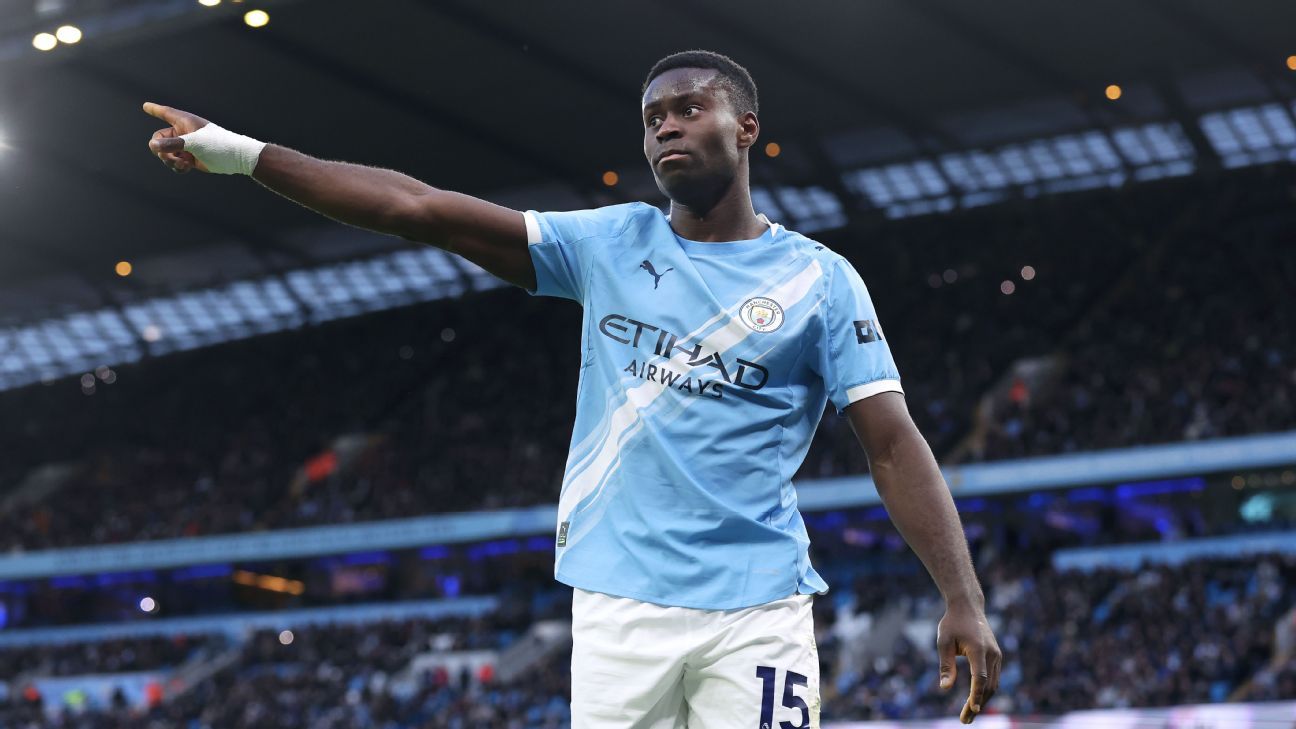
Man City and Villa Shine in Transfer Window; Liverpool Faces Major Setbacks
Transfer Window Insights: Winners and Losers of the January 2026 Transfer Window
As the January transfer window for the 2026 season came to a close, teams across Europe scrambled to bolster their squads for the second half of the campaign. With clubs either seeking to rectify earlier missteps or planning for a brighter future, the stakes were high. While some teams reaped the rewards of shrewd acquisitions, others faced disappointment either through a lack of activity or critical losses. Let’s dive into the dynamics of the transfer window and identify the standout winners and unfortunate losers.
Strategic Acquisitions: Manchester City and Aston Villa Shine
Among the noteworthy success stories of the January transfer window, Manchester City once again demonstrated their knack for enhancing their squad effectively. Their early acquisition of winger Antoine Semenyo for a hefty £62.5 million from AFC Bournemouth stands out as a masterstroke. With an impressive track record of 20 league goals in the preceding 18 months, Semenyo injects much-needed versatility into City’s attack, previously overly reliant on the star-studded blueprint anchored by Erling Haaland. Remarkably, Semenyo has already netted four goals for the team, showcasing his balance of adaptability and tactical intelligence on the field.
Yet, City’s strategic maneuvers didn’t end there. Following a spate of defensive injuries to key players like Joško Gvardiol and Rúben Dias, City swiftly secured Marc Guéhi from Crystal Palace for a reported £20 million—a smart, economical decision for a player of his caliber, especially in light of his contributions to the England national team and his leadership as a club captain.
Aston Villa also illustrated excellence with their transfer strategy, negotiating the intricate balance dictated by their UEFA settlement agreement necessitating a break-even approach. Their move to replace Donyell Malen, who moved to AS Roma for a transaction potentially worth €27 million, with Tammy Abraham for €21 million epitomized their strategic foresight. Abraham’s style is a more organic fit for Unai Emery’s philosophy, positively impacting what may have been a difficult transition.
Supportively addressing unexpected injuries, Villa moved quickly to secure Douglas Luiz on loan, with an option to buy for €25 million, allowing them to fill critical gaps in midfield in response to quick injury setbacks. The timely execution of these moves helped Villa solidify a resilient roster capable of holding the fort in a competitive Premier League landscape.
Navigating Departures and Replacements: Bournemouth and PSG
AFC Bournemouth displayed a shrewd understanding of both market dynamics and the value of timing during the January window. Their ability to handle Antoine Semenyo’s departure, facilitated by a strategically placed release clause, allowed them to navigate the challenging waters of player sales while also ensuring continuity. Bournemouth’s recruitment of Brazilian prodigy Rayan, who has already made his mark with an assist, showcases their commitment to future-proofing their squad. The club further secured Alex Tóth from Ferencváros for an initial £10.4 million, strategically mimicking the attributes of current midfield talent, Alex Scott, reaching anticipatory detail in their signings.
Paris Saint-Germain’s activity, while limited to a single acquisition of Dro Fernández from Barcelona for €8 million, exemplified their commitment to long-term success rather than immediate fixes. Garnering a promising player from Barcelona’s esteemed academy certainly reignited excitement among the supporters, especially given PSG’s noted interest in youth development. While not an instant impact signing for the current season, PSG smartly invested in a bright prospect expected to flourish in their developmental program.
Assessing the Disappointments: Liverpool and Chelsea’s Struggles
On the flip side, several clubs were left grappling with disappointment after a seemingly positive opening to the window morphed into frustration. Liverpool made headlines with their acquisition of center back Jérémy Jacquet from Rennes for £55 million, raising hopes among fans. Yet, the hitch lies in Jacquet not being available until the summer—leaving the Reds to maneuver through a challenging season without the reinforcements they desperately need. With defensive injuries piling up, their wait for his services could prove costly in terms of league standings.
Chelsea’s January window proved equally underwhelming, as they found themselves struggling for solutions. Initially targeting Jacquet, they failed to secure the defender due to how Liverpool positioned themselves as a more appealing destination. Their attempts to offload Raheem Sterling and other underperforming talents fell flat, revealing the limitations of their squad management strategy. The situation became so dire that Aaron Anselmino, a player on loan, conveyed his distress over a recall—an emblematic moment of Chelsea’s failures to execute timely and successful business.
Crystal Palace also faced disarray, with the sale of captain Marc Guéhi for just £20 million denoting a downturn following a period of success. Coupled with managerial uncertainty and alleged player unrest, the club saw dreams of further ascent rapidly dissolve.
Market Malfunctions: Tottenham’s Missed Opportunities
Tottenham faced a tumultuous January amid an injury crisis that left fans expecting significant moves to rebound. While the arrivals of promising talents like Souza and Conor Gallagher filled pressing gaps, these signings failed to deliver immediate solutions. Instead, they represented a long-game play while neglecting urgent needs in specific positions, particularly a necessary winger to alleviate pressure on an overstrained attack. Recruitment efforts fell short, leaving supporters questioning the club’s ambition and foresight amid harsh domestic realities.
In these dynamics of winners and losers, the January 2026 transfer window highlights the delicate art of balancing immediate needs with future aspirations—where savvy dealings can yield rewards or miscalculations can lead to significant setbacks. Teams now find themselves at critical junctures in their seasons, propelled forward by fruitful endeavors or struggling to cope with inadequacies stemming from missed opportunities.
Related Posts

Man United surprised fans by reaching the UWCL quarterfinals, but does this signify progress?
Carabao Cup Wake-Up Call for Arsenal and Man City; Madrid Triumphs in Derby; and More