
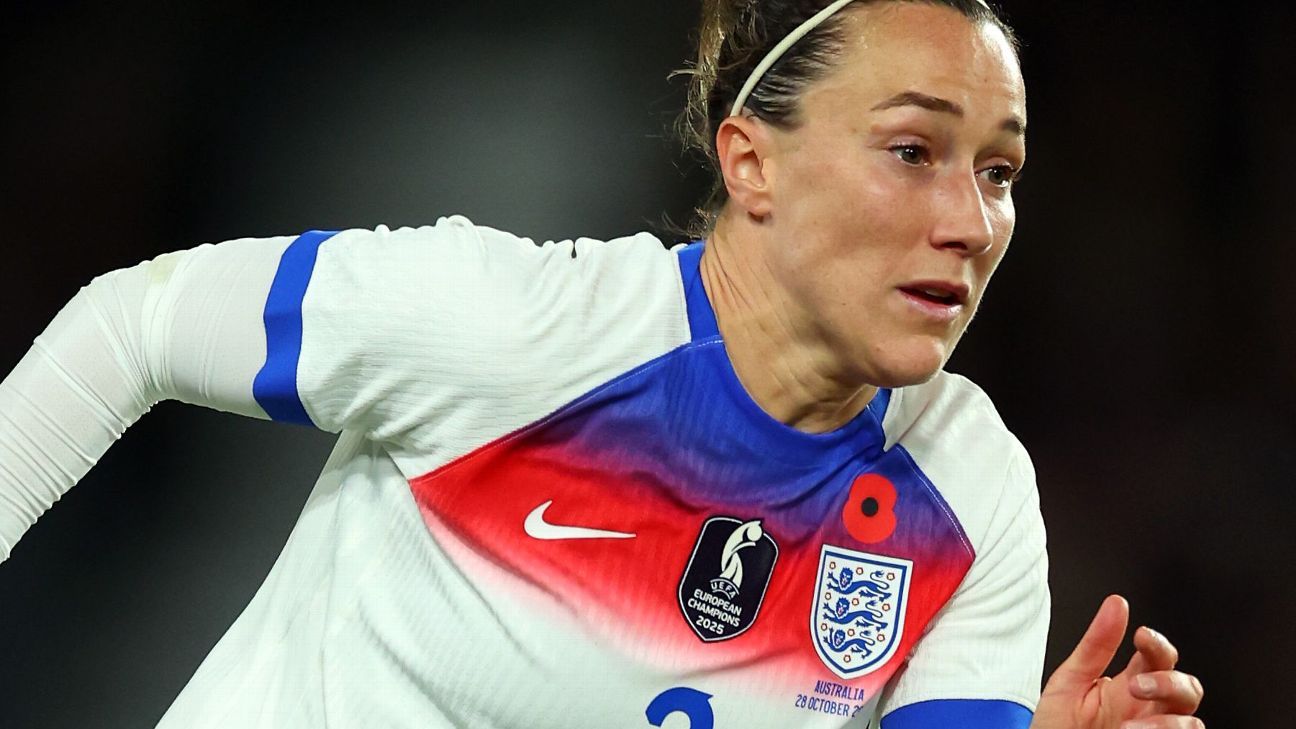
Lucy Bronze Achieves Milestone as FIFPRO Women’s World 11 Unveiled
Lucy Bronze Makes History with FIFPRO Women’s World 11 Selection
In a groundbreaking announcement, Lucy Bronze, the stalwart defender for Chelsea and the England national team, has etched her name into the history books by becoming the first player to secure eight appearances in the FIFPRO Women’s World 11. This notable achievement marks a significant milestone in women’s football, highlighting both her exceptional skill on the pitch and the growing recognition of female athletes worldwide.
The Journey of Lucy Bronze
Lucy Bronze’s journey in women’s football is nothing short of inspiring. Born in the UK, she has long been a cornerstone for both her club and country. Her technical aptitude combined with her tenacity has made her a formidable presence in the backline. From her early days at Sunderland, where she first made her mark, to her spell at Manchester City, and now at Chelsea, Bronze has cultivated a reputation of reliability and excellence. Her recent selection for the World 11 not only reinforces her prowess but also emphasizes the increasing spotlight on women’s football, which has historically been overshadowed by its male counterpart.
The FIFPRO Women’s World 11 is determined by a global vote from over 6,000 professional women footballers. This year’s results clearly reflect a collective admiration for Bronze, transcending national borders and showcasing her as a figure of excellence in the sport. Surpassing France’s Wendie Renard, who previously held the record with seven selections, Bronze’s achievement serves as a symbol of her consistency and exceptional performances.
The Emergence of African Talent
This year’s nominations have also seen a significant breakthrough with the inclusion of two African players in the Women’s World 11. Barbra Banda from Zambia and Ghizlane Chebbak from Morocco have made their presence felt. Barbra Banda, a versatile forward playing for Orlando Pride and having been named in the squad for the second time, showcases the rising profile of African talents in global football. Her ability to change the game with her attacking prowess underscores the potential within women’s football across the African continent.
Ghizlane Chebbak’s selection, marking her debut in the roster, is equally noteworthy. Playing for Al Hilal, Chebbak’s recognition speaks volumes of a broader narrative: African players are increasingly receiving the attention and respect they deserve on the world stage. This inclusion is not just a personal victory for the players but a step forward in promoting diversity and representation in women’s sports.
Dominance of England’s Lionesses
Following England’s consecutive UEFA Euro victories, the Lionesses have become a force to be reckoned with not only in Europe but globally. The 2024-25 Women’s World 11 lineup boasts six English players, making it the most represented nation in this prestigious selection. The likes of Hannah Hampton, Chloe Kelly, and Millie Bright are not only central to their clubs but are pivotal in elevating the narrative of women’s football in England.
The achievements of these players, particularly following England’s recent success in international tournaments, highlight the transformation of women’s football in the country. The media attention, fan engagement, and overall interest have surged, providing a fertile ground for rising stars. England’s six representatives in the World 11 echo a significant momentum that continues to build in the sport—showcasing an evolving landscape where women’s football garners increasing legitimacy and respect.
The Cultural Shift in Women’s Football
The announcement of the FIFPRO Women’s World 11 is not simply a celebration of individual players, but rather a reflection of the cultural shift in women’s football. The sport has been witnessing an exponential rise in visibility and respect over the years. From televised matches to sponsorship deals that were once unimaginable, the landscape is changing rapidly. This evolution is crucial in attracting a new generation of players and fans alike, illuminating pathways for aspiring athletes.
The inclusion of first-time nominees like Ona Batlle and the consistent recognition of superstars like Alexia Putellas and Aitana Bonmatí are just a few examples of how competitive and diverse women’s football has become globally. As clubs invest more resources into women’s programs and as fandom expands, the cultural narrative around women’s football is transforming from one of marginalization to one where talents are celebrated and cherished.
In sum, this year’s FIFPRO Women’s World 11 reflects a vibrant tapestry of talent, perseverance, and growth. With pioneers like Lucy Bronze leading the charge, and emerging stars from underrepresented regions being recognized, the future of women’s football shines brighter than ever. This is just the beginning as the sport continues to evolve, challenge norms, and inspire many around the world.