Liverpool at a Turning Point: What Went Awry for Slot Since Their Premier League Championship?
Liverpool’s Season of Struggles: Unraveling the Challenges at Anfield
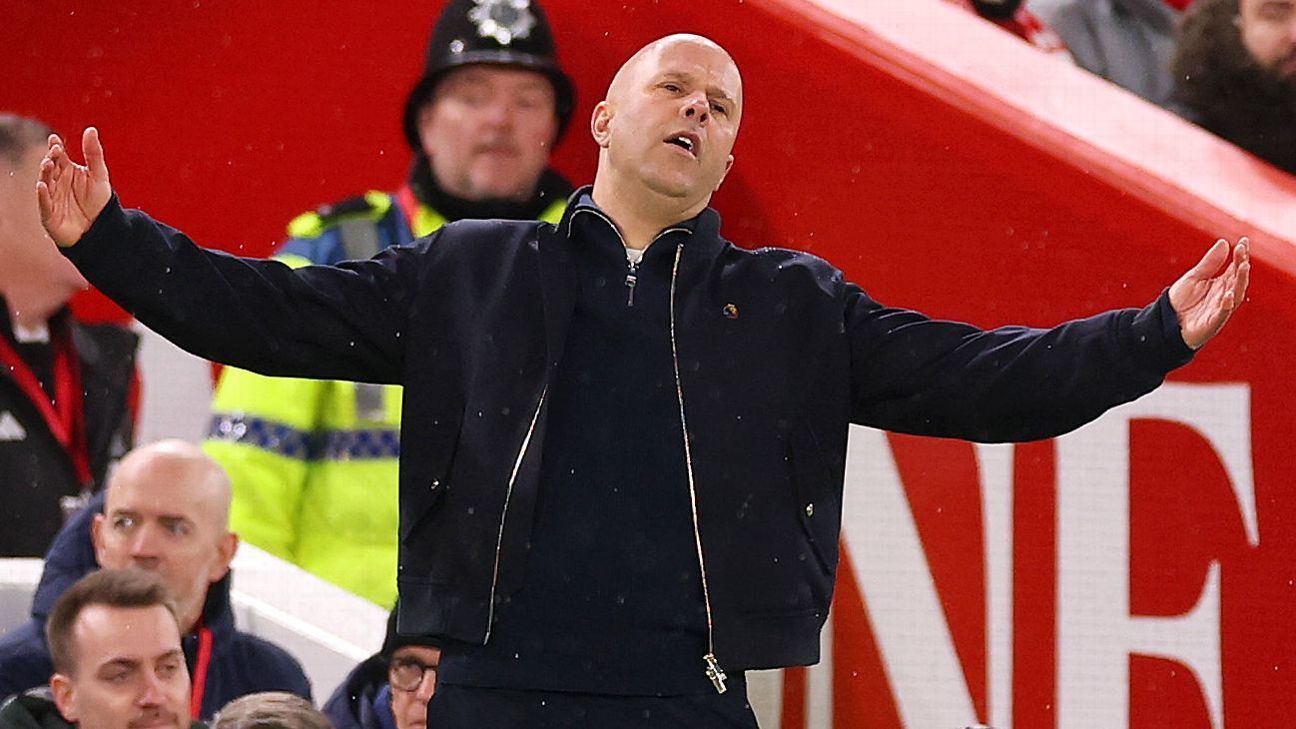
The atmosphere at Anfield is often electric, but this season, the tension feels palpable. Liverpool’s recent loss to Manchester City — a game marked by a resurgent moment turning into a somber reality check — highlights ongoing challenges for the club. Under the leadership of Arne Slot, who succeeded the legendary Jürgen Klopp, Liverpool’s once-dominant aura seems to be fading. In times of turmoil, understanding the underlying issues can provide clarity on what lies ahead for the Merseyside giants.
A Fine Line Between Glory and Despair
For a fleeting moment, it appeared that Liverpool had regained their competitive edge during the second half against Manchester City. The home crowd swelled with pride as Dominik Szoboszlai’s stunning free kick sent ripples of hope through the stands. However, this moment was not to last, as City delivered a brutal reminder of their quality within minutes of Szoboszlai’s goal. As Bernardo Silva and Erling Haaland found the back of the net to secure a 2-1 victory, it became clear that Liverpool’s trajectory from league champions to a mid-table threat had been swift and disheartening.
Eight losses so far in the Premier League have left fans and analysts questioning how a team that clinched the title just a year ago now finds itself clawing for relevance in the top four. The team’s inconsistent performances, alongside an alarming drop in form, have exposed underlying issues that must be confronted if Liverpool is to restore its former glory.
The Unraveling of Team Culture
Slot’s appointment, amidst high expectations, came with a promise of continuity and vision. However, the lingering doubt among fans and players alike underscores how quickly culture can deteriorate. Jürgen Klopp notably transformed Liverpool into a powerhouse by fostering a belief system: shifting supporters from “doubters to believers.” Under his guidance, a lineage of conviction thrived, but this foundation appears to be cracking under Slot’s management.
This season has emphasized a worrying trend: signs of disillusionment are creeping into the stands. Reds supporters expect resilience, determination, and, too often, that has been absent. A shared belief system is crucial for a team’s success, especially when facing adversity. Recently, reading the mood of the crowd at Anfield, it is clear that faith in Slot’s leadership is wavering. The daunting task now facing the manager is re-establishing that indispensable bond between the fanbase and the team.
The Harsh Realities of Squad Depth
Amid these cultural challenges lies another harsh reality: the disparity in squad depth between Liverpool and their rivals. Despite a summer spending spree that totaled nearly £450 million, the strength and quality across Liverpool’s squad seem inadequate for sustaining a punishing Premier League campaign. This season’s injuries have compounded the problem, with key players sidelined for significant chunks of time, leading to a lack of reliable options off the bench.
While Manchester City flaunted a bench filled with international talent in their recent clash, Liverpool’s alternatives highlighted a stark contrast. With the likes of Curtis Jones and Andy Robertson being the only substitutes with considerable league experience, Slot is left hoping that depth issues do not ultimately define Liverpool’s campaign. Considering that Liverpool’s summer investment was partly funded by high-profile player sales, the current squad lacks the robustness needed to challenge on multiple fronts.
Mental Challenges Shaping Performances
The psychological strain on Liverpool’s players is equally pivotal in understanding their struggles this season. The death of teammate Diogo Jota during the previous summer casts a long shadow over the squad, introducing emotional turbulence that undoubtedly impacts on-field performances. This exceptional burden needs consideration alongside the broader challenges of form and fitness.
While these personal and collective traumas cannot be trivialized, the elite nature of professional sports demands a certain degree of resilience. Football, especially at Liverpool’s level, is indeed a ruthless arena where past successes can quickly be overshadowed by present inadequacies. The delicate balance of nurturing mental well-being while striving for performance is one that Slot must navigate with care.
The amalgamation of dwindling belief, inadequate squad depth, and mounting pressures creates a perfect storm for Liverpool. Each of these components plays a crucial role in shaping the outcomes of matches, illustrating that the path to recovery requires a multifaceted approach. As Slot contemplates his next steps, it becomes evident that restoring Liverpool’s standing within the Premier League is not merely about tactical adjustments but requires a heartfelt reconnection to the spirit that once defined the club.