Key Players in the Premier League Depth Charts for Top Teams
Premier League Season Update: Tactics, Transfers, and Team Depth
As the Premier League season enters its eighth week, with the transfer window firmly closed until January 1, the landscape of English football is captivatingly dynamic. Clubs have had ample opportunity to assess their squads, strategize for upcoming fixtures, and integrate the talents acquired over the summer into their core systems.
Teams are now racing to find cohesion and consistency, all while gearing up for a season packed with both domestic challenges and European commitments. Amidst this bustling action, we turn our attention to the tactical setups and depth of the six most followed clubs in the league.
Analyzing Depth Charts: The Competitive Edge
Understanding how each club has navigated the summer transfer window offers insight into their potential this season. Depth charts have emerged as vital resources, highlighting not only the starting XI but also the quality of substitutes that can affect game outcomes in moments of fatigue or tactical shifts.
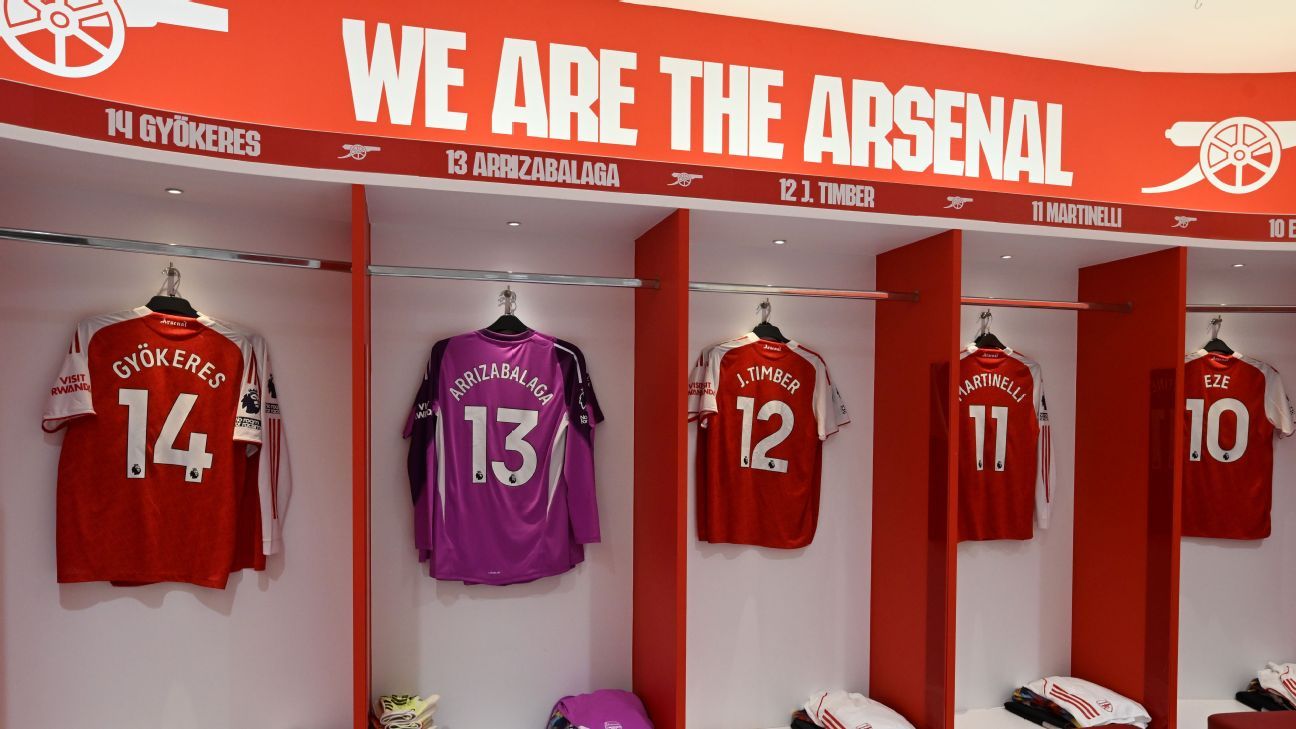
Take Arsenal, for instance. With high-profile signings like Declan Rice and Martin Zubimendi, manager Mikel Arteta has strategically reinforced his team. Among the key additions, Zubimendi stands out as a skillful deep-lying playmaker, essentially offering a like-for-like upgrade in the pivotal No. 6 role left vacant by Thomas Partey. The versatility of the squad, including players like Myles Lewis-Skelly and Kai Havertz, allows for tactical fluidity—enabling Arsenal to modify their build-up patterns in response to various opposition styles.
Conversely, Chelsea’s journey this season has been marked by trials of stability amidst their wealth of talent. Spending over £2 billion has undoubtedly brought in star power; however, a series of injuries—including Levi Colwill’s absence—has prompted a search for a reliable central defensive pairing. The double pivot of Enzo Fernández and Moisés Caicedo possesses the necessary energy and control, yet the challenge lies in maintaining their fitness levels to perform consistently throughout the season. Chelsea’s ability to navigate these complexities will be put to the test in the upcoming fixtures.
Tactical Formations: Flexibility vs. Predictability
As we observe the tactical formations that have dominated the starting line-ups, the versatility of each system emerges as a point of contention. From Arsenal’s favored 4-3-3 to Chelsea’s fluid 4-2-3-1, clubs have sought to maximize their squad strengths while mitigating weaknesses.
At Liverpool, manager Jürgen Klopp faces a fascinating task. Despite an expensive summer—a hefty £450 million splurged on five new signings—the squad has experienced a shaky start. Alisson remains the linchpin in goal, but with new recruits such as Florian Wirtz adjusting to the Premier League’s pace, the challenge is not just tactical but also psychological. Klopp’s famed pressing game requires sharp integration, and the new faces need time to harmonize with the existing squad.
In contrast, Manchester City seem to defy traditional expectations with their tactical setup. Pep Guardiola has leveraged a mix of experienced stars and emerging talents, resulting in a team that rewards positional play and individual brilliance alike. Erling Haaland’s role as the main striker contrasts beautifully with the attacking midfielders that provide fluidity in the final third, showcasing Guardiola’s intention to prioritize offensive versatility amidst defensive concerns.
Youth Integration and Squad Cohesion
The emphasis on youth integration and maintaining squad cohesion stands out across the Premier League. Across teams, academy products are not just seen as backups; they represent the possibility of creating a sustainable future for clubs. For instance, Arsenal has showcased talents like Ethan Nwaneri and Max Dowman who, despite their youth, are seen as game-changing options capable of making significant impacts coming off the bench.
Tottenham Hotspur, under new management, reflects a similar ambition. With a sizeable pool of talented youngsters waiting for their opportunity, the competition for starting spots is fierce. Thomas Frank has orchestrated a system that leverages the depth of squad talent while dealing with the typical throes of injuries—highlighting the importance of developing young talent to maintain club performance throughout the season.
The Road Ahead: Tactical Battles and Key Matches
Looking ahead, the upcoming fixtures promise a battleground for tactical ingenuity. With each team wrestling with their respective strengths and vulnerabilities, it is an open question as to which clubs will emerge strongest. Arsenal’s attempt to capitalize on their recent transfers and tactical versatility will be tested against rivals like Liverpool and Manchester City, who are equally committed to executing their plans.
Moreover, the pressing or possession-based styles of each club will set the stage for intriguing tactical matchups. Coaches will not only need to manage their squads effectively as the fixture congestion mounts but also make real-time decisions about their game plans based on opposition tactics.
As each Premier League club continues its journey, the interplay of tactical depth, squad cohesion, and player quality will undoubtedly shape the season. The blend of experience and youthful exuberance promises to keep fans on the edge of their seats, as teams vie for dominance in what is shaping up to be an exhilarating campaign.