Iran is requesting the relocation of World Cup matches from the U.S. to Mexico.
Iran’s World Cup Negotiations: Safety Concerns and Diplomatic Challenges
As anticipation builds for the 2026 FIFA World Cup, Iran finds itself embroiled in a complex web of diplomatic negotiations and safety concerns that have raised the stakes for the participating nations. Following remarks from U.S. President Donald Trump regarding the safety of the Iranian national team during the tournament, Iran’s embassy in Mexico has stepped in to advocate for a significant change in the match schedule. This intriguing blend of sports, politics, and international relations invites deeper examination of the factors in play.
The Context of Iran’s Request
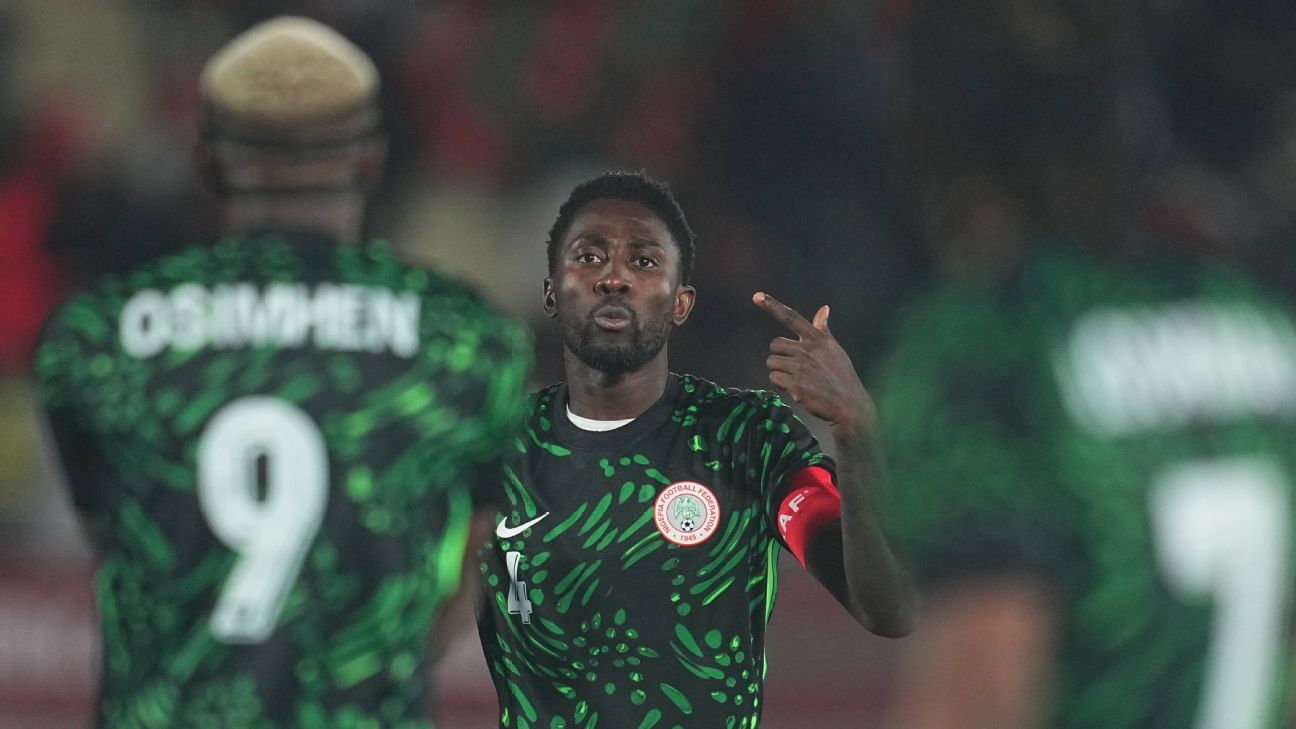
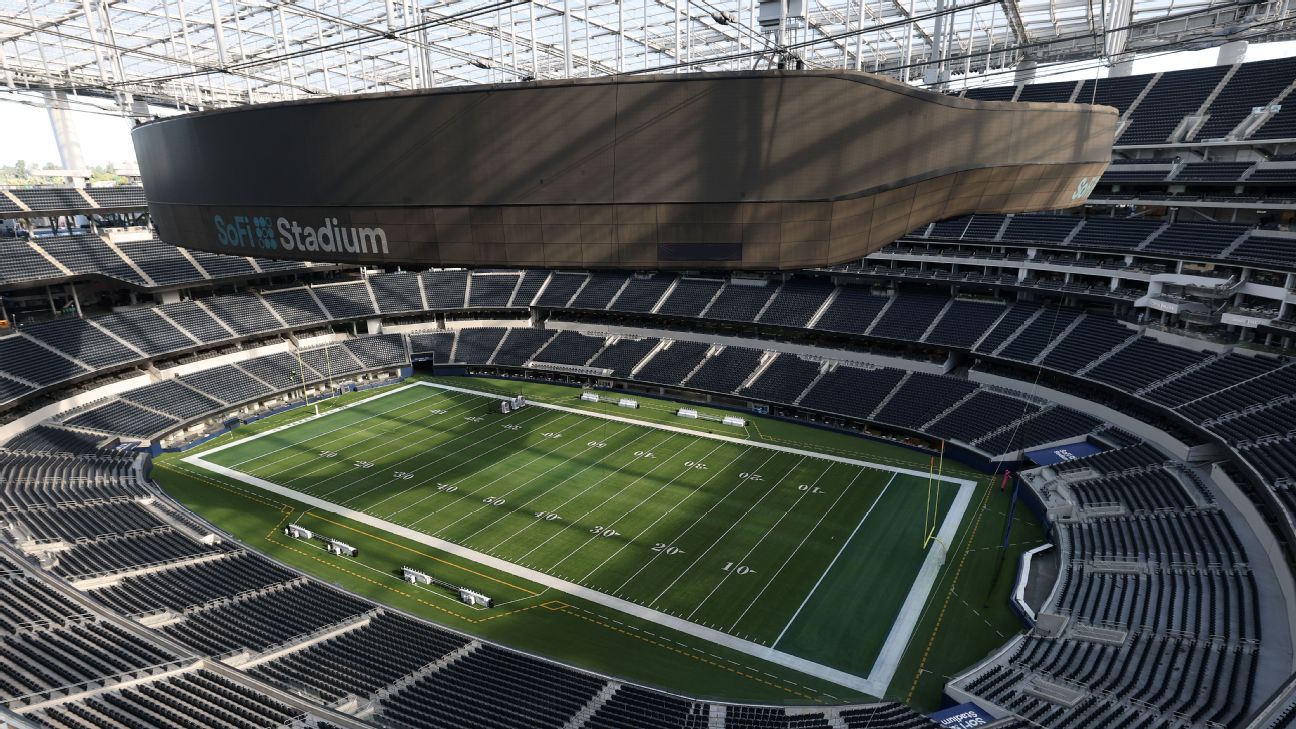
The Iranian national soccer team is scheduled to play its World Cup matches in cities across the United States, with the first game against New Zealand scheduled for June 16, 2026, in Inglewood, California, followed by matches against Belgium and Egypt. While the tournament merely five months away, conditions surrounding its execution have become complicated. Trump’s recent statements cautioning against the potential risks for the Iranian team have ignited discussions about relocating these crucial games to Mexico.
In a statement attributed to Mehdi Taj, the president of the Iranian Soccer Federation, the Iranian government has expressed its intent to begin negotiations with FIFA to move the matches. “When Trump has explicitly stated that he cannot ensure the security of the Iranian national team, we will certainly not travel to America,” Taj articulated, reflecting the team’s commitment to prioritizing the welfare of its players and officials. This underscores how sport and politics intertwine, shaping the experiences of athletes on the global stage.
FIFA’s Response and Historical Precedents
FIFA has emphasized its ongoing communication with all participating nations, reaffirming that the originally agreed-upon match schedule is set to stand. They expressed their anticipation for all teams to compete as planned in the host nations of the United States, Canada, and Mexico. However, the complexities of this request are historic; changing a World Cup match schedule so close to the event is unprecedented.
FIFA president Gianni Infantino previously assured that Iran was welcome at the tournament and claimed to have received formal guarantees of safety. Yet, the current unfolding situation signals considerable tension and uncertainty. FIFA’s insistence on maintaining the original schedule while also addressing Iran’s serious concerns reflects the challenges of international diplomacy in the sphere of global sports.
Diplomatic Dynamics: U.S.-Iran Relations
The relationship between Iran and the U.S. has been strained, particularly in light of recent military actions taken by the U.S. against Iranian political figures. Amidst these hostile tensions, the Iranian government has sent mixed messages regarding its participation in the World Cup. While some officials, such as sports minister Ahmad Donyamali, vocalized the challenges posed by what they label as “wicked acts,” other factions within the government reiterate their intention to compete, emphasizing the responsibility of FIFA and the U.S. to ensure their safety.
Statements by Iranian officials indicate a fraught atmosphere; the complexities of international relations impact the beautiful game. Foreign Ministry spokesman Esmail Baghaei articulated a clear sentiment: “When warnings are issued at the highest level about the environment being unsafe for Iranian football players, this indicates that the host country lacks the capacity and ability to provide security for such an important sporting event.” This reflects a broader concern that Iran’s participation is being jeopardized by the political landscape, clashing with the spirit of international sporting events.
Mexico’s Readiness and Regional Implications
Interestingly, Mexico has positioned itself as a potential host for Iran’s matches, with President Claudia Sheinbaum affirming the country’s diplomatic readiness to accommodate any changes FIFA might decide upon. This desire to assist reflects a broader commitment to fostering international cooperation through sport. Despite the evident challenges, Mexico’s response highlights a unique opportunity for regional solidarity in a time of tension, signaling a willingness to navigate complex political landscapes to ensure the spirit of sport prevails.
As the negotiations unfold, the implications extend beyond the soccer pitch. The potential relocation of Iran’s matches to Mexico presents an avenue for dialogue and collaboration, albeit within a framework fraught with historical complexities. In essence, sport becomes a platform for diplomacy, making the stakes around the World Cup ever more profound.
In summary, Iran’s quest to negotiate the relocation of its World Cup matches encapsulates a dramatic intersection of sport, safety, and international diplomacy. With FIFA navigating a historic challenge and countries like Mexico stepping in as potential mediators, the stage is set for an unfolding drama leading up to the tournament. As passion for soccer unites millions, the narrative remains not just about playing the game but also about navigating the broader issues that frame this monumental event.