
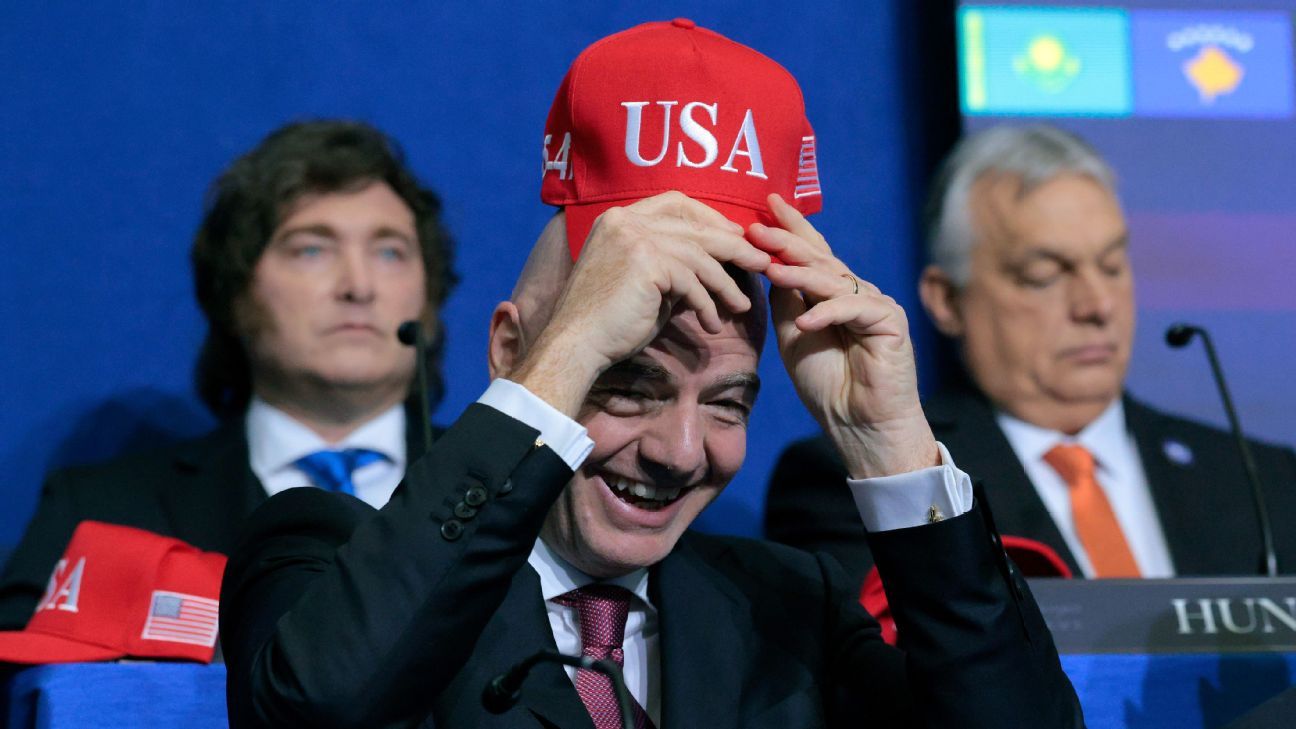
IOC to investigate FIFA chief Infantino following meeting with Trump
Tensions Between Sports and Politics: The Infantino-Trump Controversy
In a world where sports often intersect with global politics, the recent actions of FIFA president Gianni Infantino have sparked significant debate and concern. Infantino’s participation in U.S. President Donald Trump’s Board of Peace event has raised eyebrows and prompted Olympic leaders, including IOC president Kirsty Coventry, to take a closer look at his conduct. The implications of Infantino’s engagement with a political figure, especially one as polarizing as Trump, highlight the delicate balance of maintaining neutrality in sports governance.
The Role of Political Neutrality in Sports Governance
At the core of the International Olympic Committee (IOC) and FIFA’s structure lies a crucial tenet: political neutrality. This principle ensures that sporting organizations operate independently and are not influenced by political dynamics. Infantino, along with the other 106 IOC members, is bound by an oath “to always act independently of … political interests.” This obligation stems from a desire to promote inclusiveness and unity through sport, a fundamental ideal that can be compromised when sports leaders align too closely with political agendas.
Coventry’s remarks about investigating Infantino’s conduct underline the importance of this principle. “The Olympic Charter is very clear,” she stated, affirming that any potential breach of conduct related to political affiliations warrants scrutiny. The IOC’s commitment to upholding these values is paramount, especially as it faces scrutiny from various angles, including partnerships with nations whose political climates may contradict the spirit of the Olympic movement.
Infantino’s Growing Ties to the Trump Administration
Since taking on the FIFA presidency, Infantino has increasingly aligned FIFA’s interests with the U.S. government. His attendance at Trump’s inauguration and multiple White House visits, culminating in the recent Board of Peace participation, mark a shift in FIFA’s diplomatic strategies. The partnership signed at the Board of Peace event, which involves a commitment of $75 million towards soccer development in Gaza, raises concerns regarding the intention behind such a substantial investment. Is this an altruistic move aimed at fostering peace, or is it a politically motivated gesture to align FIFA more closely with the current U.S. administration?
Moreover, amidst the buildup to the 2026 World Cup—set to be co-hosted by the U.S., Canada, and Mexico—Infantino’s increasing visibility in political arenas could set a precedent that blurs the lines between sports and politics. It’s a gamble that could alienate fans and stakeholders who cherish the ideal of political neutrality within the world of sports.
The Broader Implications for the Olympics and International Relations
Coventry’s commitment to investigating Infantino’s actions comes in a broader context where political neutrality is being challenged not only in soccer but across various sports disciplines. The Olympic landscape is populated by powerful figures with political ties, such as the Emir of Qatar and Saudi Arabia’s ambassador to the U.S. The IOC’s history with nations that have controversial political practices further complicates its standing as a neutral arbiter in international sports.
In light of the potential travel restrictions imposed by Trump’s administration, the implications for athletes—especially those from countries facing sanctions or discrimination—become increasingly dire. There’s a concern that these political affiliations could undermine the global spirit of competition and camaraderie that the Olympics embody. The IOC’s proactive stance on investigating Infantino serves as a reminder to all stakeholders that political allegiances should not overshadow the foundational principles of sportsmanship.
Navigating the Future of Sports Leadership
As Infantino’s actions continue to stir debate, the path forward for leadership in major sporting organizations remains fraught with challenges. Coventry, as the newly elected first female president of the IOC, brings a fresh perspective and a commitment to transparency and ethical governance in sports. Her approach, which includes rigorous examination of the conduct of other sports leaders like Infantino, may signal a shift towards more accountability in how sports organizations engage with political entities.
This period is not just a moment of accountability but a wake-up call for sports organizations to reinstate their commitment to neutrality, ensuring that their decisions resonate with the ethos of sportsmanship. As Infantino continues to navigate these complex waters, both FIFA and the IOC will need to evaluate how closely they wish to entwine their missions with the transactional nature of political engagement. The ongoing developments highlight the importance of clear guidelines and ethical practices within international sports management to safeguard the spirit of competition from political interference.