
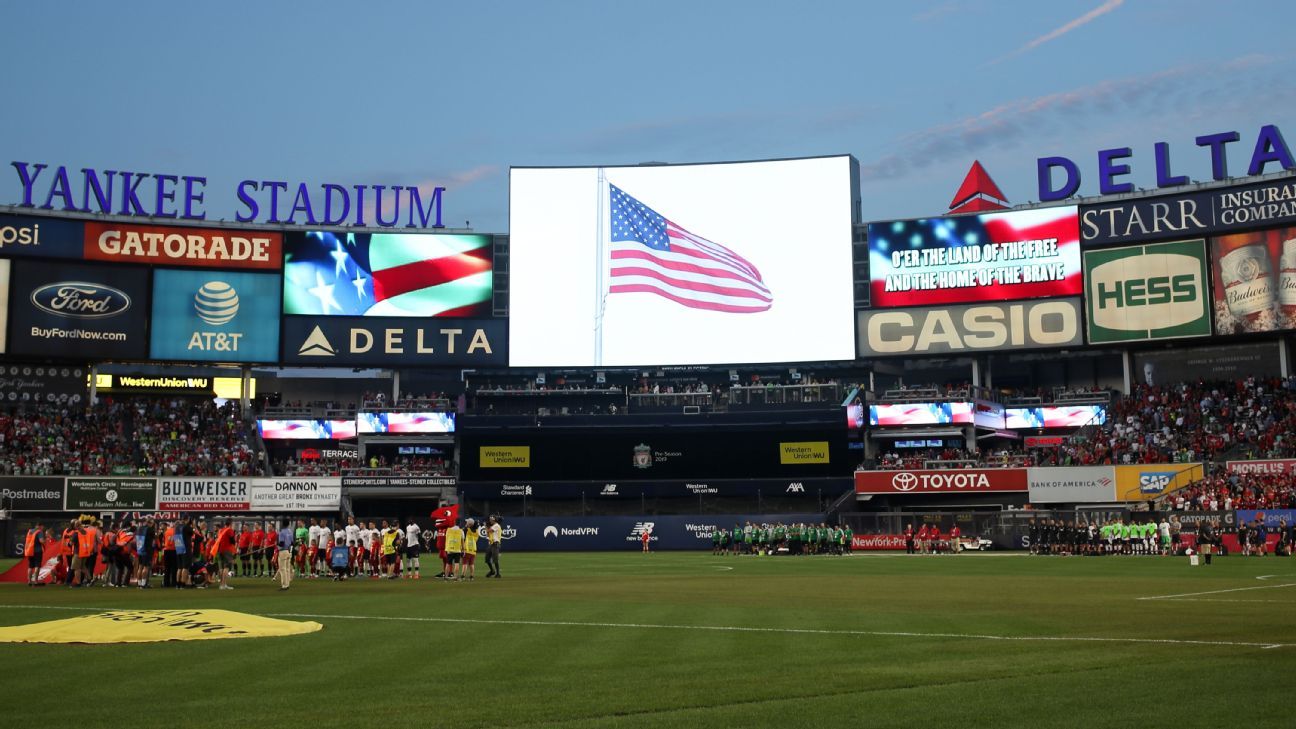
How Premier League Teams Turn to the U.S. for Financial Backing on High-Profile Acquisitions
The Changing Financial Landscape of the Premier League: A Deep Dive into Club Revenues
A Shift in Strategy: From Profit and Sustainability to Squad Cost Ratios
As the Premier League gears up for a significant financial transformation, clubs are facing new pressures under the upcoming Squad Cost Ratio (SCR) regulations. While previous Profit and Sustainability Rules (PSR) focused on profit margins across a rolling three-year period, the SCR strategy shifts the emphasis to expenditure—specifically on player wages and transfer fees. Under this model, clubs must limit their squad costs to 85% of their revenue, marking a crucial pivot in how clubs engage with their financial strategies.
This is especially relevant considering that the European football landscape is already adapting to similar models like UEFA’s Financial Fair Play regulations, which cap spending even more strictly for teams participating in European competitions at 70%. With this impending shift, clubs are not only reassessing their financial health but are also tasked with finding innovative ways to boost revenues to meet these new requirements.
Navigating the Commercial Landscape: The Loss of Betting Partnerships
An additional layer of complexity comes from the Premier League’s decision to ban betting companies from front-of-shirt advertising starting next season. This decision affects 11 of the 20 clubs, many of which heavily rely on these sponsorships as a vital source of income. As mentioned by West Ham United’s vice-chairman Karren Brady, this could mean a fallout of around 20% of total commercial revenues.
With revenue streams under threat, the pressing question for clubs becomes: How can they fill this void? One promising avenue is the mobilization of external agencies. While leveraging external expertise in sponsorship and marketing has been standard in U.S. sports, it has yet to gain major traction in England. Nevertheless, clubs are beginning to realize the potential benefits of partnering with specialized agencies that could help navigate this heightened commercial landscape.
The Influence of American Ownership
An interesting development is the increasing number of Premier League clubs owned by American investors. Roughly half of the top 44 clubs (including those in the Championship) now have U.S. majority ownership, driving a cultural shift in how these clubs strategize for commercial growth. In contrast to the relatively limited opportunities previously explored, many clubs are now looking to the U.S. for fresh sponsorship ideas that could elevate their financial stature.
For instance, industry data highlights that while American brands dominate global sponsorship spending in sports—accounting for 61%—the involvement of these brands in European soccer remains sparse, with only about one in six sponsorship agreements coming from the U.S. As English clubs increasingly adopt American-style marketing and sponsorship tactics, we may see a substantial upturn in revenues.
Emerging Trends: Professionalizing Commercial Strategies
Gone are the days when commercial agreements were forged solely on personal relationships. As the demand for revenue diversification grows stronger, clubs are slowly transitioning towards strategies that incorporate data analytics, akin to the approach taken in player recruitment. This professionalization of commercial strategies means that clubs are increasingly outsourcing these initiatives, effectively hiring specialists to help maximize revenue avenues.
According to Kieran Maguire, a football finance expert, this trend of employing external agencies is particularly vital for clubs looking to optimize revenue streams effectively. For instance, projects aimed at maximizing income from non-football events—like concerts and corporate events—illustrate how clubs like Tottenham Hotspur have diversified their revenue sources. As these strategies mature, commercial agencies are poised to play a pivotal role in helping clubs align their financial health with competitive performance on the pitch.
The future of the Premier League’s financial landscape is ripe with changes, each presenting both challenges and opportunities for clubs willing to adapt to a rapidly evolving marketplace. With more clubs looking stateside for inspiration and expertise in sponsorship, the coming season could be pivotal in reshaping how English football operates financially.