
Host Cities for the 2026 World Cup Announced: Key Information on the 16 Locations
The 2026 World Cup Host Cities: A Detailed Look at North America’s Historic Tournament
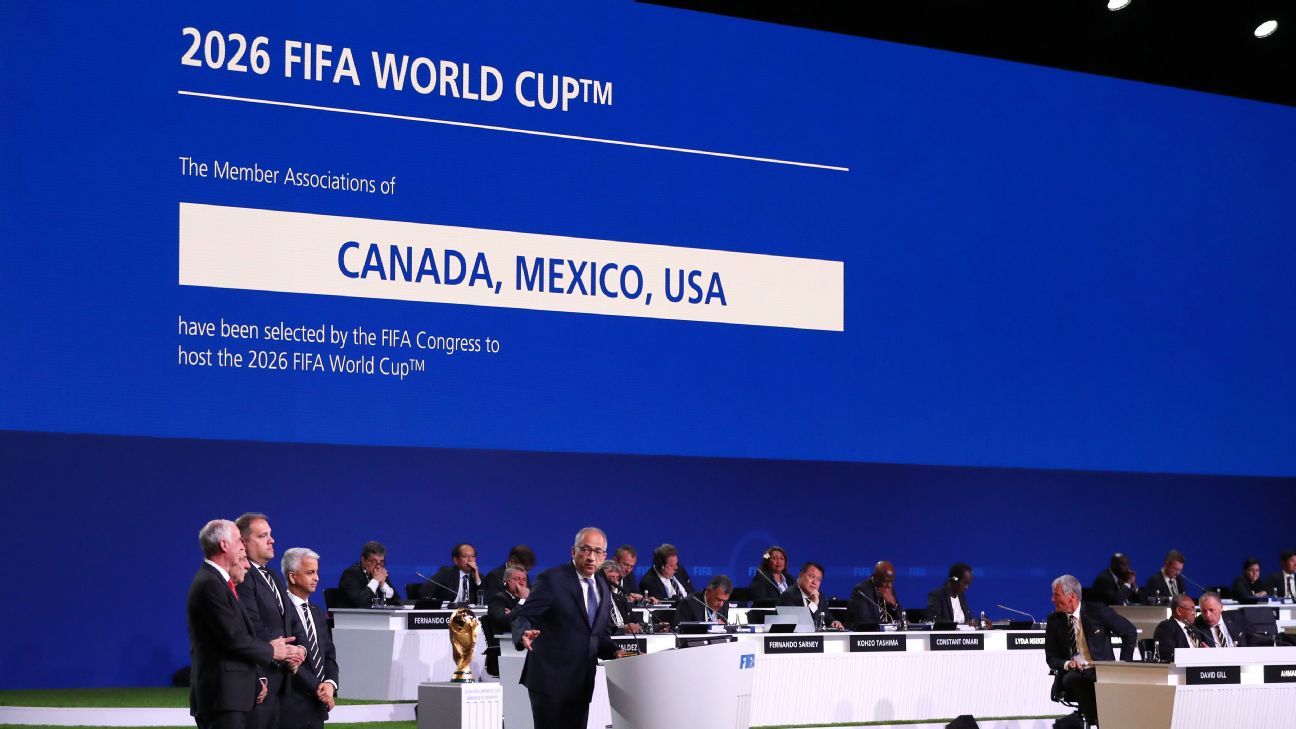
After years of preparation and months of eager anticipation, the 2026 FIFA World Cup is poised to unfold in North America. This will be a historic event, not only for its expansive format but also for the unique collaborative hosting across three nations: the United States, Canada, and Mexico. The tournament offers 16 host cities across 20 venues, bringing together a diverse array of cultures and soccer enthusiasts. These selections signal a new era for the World Cup, showcasing North America as a vibrant hub for international soccer.
The Host Cities: A Tapestry of North American Culture
The chosen venues are spread across various geographic regions, highlighting the cultural richness and diversity of North America. In the United States alone, 11 cities will play host to matches, including iconic locales like New York/New Jersey, Miami, and Los Angeles. Canada contributes with Vancouver and Toronto, while Mexico rounds out the list with Mexico City, Guadalajara, and Monterrey.
Each city brings its own unique flavor to the tournament. For instance, New York/New Jersey’s MetLife Stadium is not just a sports arena; it’s a cultural icon recognized for hosting high-stakes NFL games and international soccer matches alike. There, fans will revel in an electric atmosphere that marries the vibrancy of city life with the excitement of the World Cup.
Meanwhile, Toronto’s BMO Field, with its planned expansions, will buzz with the growing soccer culture in Canada. This venue has been a staple for the national team, fostering a deep-rooted love for the sport among its community. Similarly, Vancouver, known for its scenic beauty and unique blend of urban and natural landscapes, provides a picturesque backdrop for World Cup festivities.
Historical Significance: The First of Many
The 2026 tournament will mark several historic milestones. Notably, it will be the first World Cup hosted by three countries, breaking the long-standing tradition of single-nation hosting. This collaborative approach mimics the successful joint venture of Japan and South Korea in 2002, yet it ventures into new territory with one nation hosting for the third time—Mexico. The Estadio Azteca, the crown jewel of Mexican soccer, captures this historic narrative beautifully, having hosted World Cup matches in both 1970 and 1986. It stands as a testament to the enduring spirit of soccer in a country that breathes the sport.
The 2026 World Cup will also be the first to compete with an expanded roster of 48 teams, up from the traditional 32. This new format means more matches, increased excitement, and diverse representation from across the globe. With a structure featuring 16 groups of three, fans can expect riveting showdowns as the top two teams from each group advance to a knockout stage, leading to climactic finals.
Envisioning the Venues: More than Just Fields
The 20 venues selected for the World Cup are architectural marvels able to accommodate a vibrant spectacle. From Seattle’s Lumen Field to Atlanta’s Mercedes-Benz Stadium, each venue presents unique features capable of enhancing the spectator experience. Lumen Field, known for its electrifying atmosphere, is lauded as one of the best soccer venues in the U.S. Thanks to its exceptional design that traps sound, fans can expect unmatched ambiance.
In contrast, the state-of-the-art Levi’s Stadium in the San Francisco Bay Area is a modern marvel boasting cutting-edge technology and eco-friendly features. It encapsulates Silicon Valley’s innovative spirit while hosting an array of events, from concerts to high-profile sports competitions. Each venue is not merely a field but a crucible where moments of soccer history will be carved into the annals of time.
Canada’s venues, particularly BC Place, represent a commitment to welcoming the world. The transformative renovations, including a transition from artificial turf to natural grass, illustrate the host cities’ dedication to meeting FIFA’s demanding standards. Along with enhancing the player experience, these upgrades also bring a sense of pride to the Canadian soccer community.
The Economic Impact: An Investment in the Future
Hosting the World Cup comes with enormous economic stakes. The tournament is expected to generate billions in revenue, providing a significant boost to local economies across the host cities. Hotel bookings, restaurant sales, and tourism will experience a substantial uptick during the event. The cities are preparing not only for the influx of soccer fans but also for cultural exchanges that accompany such an international gathering.
Moreover, the World Cup serves as a platform to further elevate soccer’s profile in North America, impacting youth engagement and long-term interests in the sport. Public investment in infrastructure and community programs, driven by the anticipation of the Games, will shape a legacy far beyond the final whistle of the tournament.
As the countdown to the 2026 World Cup continues, excitement grows across the continent. North America’s multi-city hosting will weave a rich tapestry of sportsmanship, culture, and community, promising an unforgettable experience for fans and players alike. Each city and venue tell their own story, ready to welcome the world to witness and celebrate the beautiful game.