Foxborough Seeks Transparency Regarding $8M Security Funding for World Cup
Funding Challenges for Foxborough’s World Cup Hosting
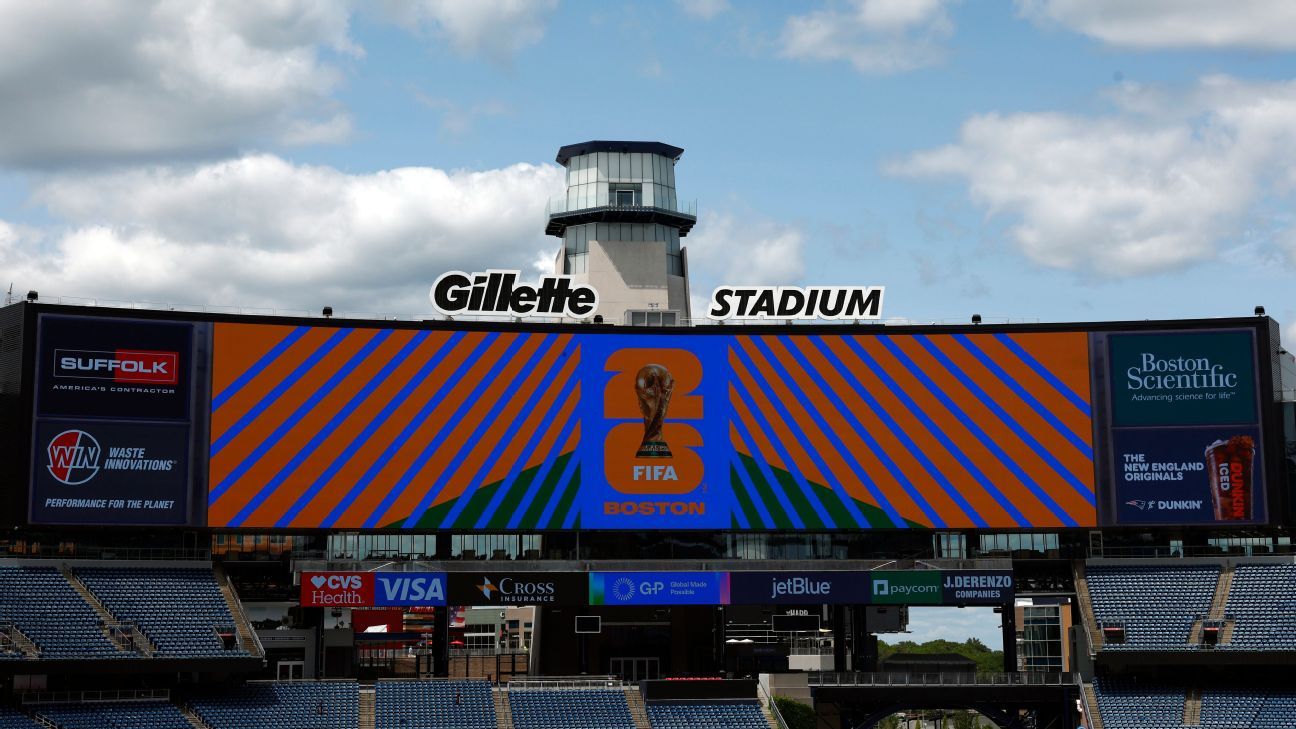
As excitement mounts for the 2026 FIFA World Cup, Foxborough, Massachusetts, is finding itself at a crossroads. Home to Gillette Stadium, where seven matches of this monumental soccer tournament are slated to unfold, town officials are seeking clarity from FIFA regarding funding that is crucial for ensuring public safety during the events. With an estimated requirement of $8 million, the situation highlights the complexities and challenges of hosting a global event and emphasizes the importance of financial transparency between organizers and local governments.
The $8 Million Question
Foxborough’s town manager, Paige Duncan, has been vocal about the need for funding clarification from FIFA by mid-March. In a letter addressed to tournament organizers, Duncan stressed the urgency of the matter, emphasizing that a favorable response is essential to finalize the required licensing for the matches at Gillette Stadium. “Without a satisfactory resolution,” she warned, “the seven matches proposed to take place in Foxborough would therefore be at risk.” This stark reminder reflects the tension between exhilarating prospects and the logistical hurdles that must be navigated to bring them to fruition.
The finances underpinning this complex arrangement weave through various sources: while the federal government has allocated $625 million to enhance security across the nation’s eleven host cities, the specific amount earmarked for Foxborough remains uncertain. Town officials have reiterated that they cannot rely on delayed reimbursements from grant funding; they need immediate financial clarity to make decisions regarding the deployment of police and emergency services during the tournament period.
Local Governance and Community Impact
In a small town like Foxborough, where key decisions are made during semiannual town meetings, the financial implications of hosting the World Cup resonate deeply with local residents. Duncan, who has a firm grasp on the community’s budgetary processes, explained that allowing costs associated with the event to fall on taxpayers is simply untenable. It raises significant concerns about equity and fairness in a community that has to balance tourism revenue with the needs and voices of its citizens.
Duncan noted, “It just doesn’t work that way,” alluding to the challenges of high-stakes funding dynamics. The Foxborough police are primarily responsible for law enforcement in and around the stadium, and ensuring their availability during the tournament will require careful budgeting and planning. As the town prepares to host significant matches, including Scotland versus Haiti on June 13 and a quarterfinal game on July 9, the pressure mounts to find a solution that respects both financial realities and community sentiment.
A Collaborative Path Forward
In response to the challenges, Julie Duffy, the chief marketing and communications officer for FIFA World Cup Boston 2026, assured that there is ongoing collaboration among FIFA, the stadium, and Foxborough’s town officials. The intricacies of organizing such a high-profile event call for thorough planning and clear communication among all stakeholders. FIFA’s delegation is expected to attend a town hall meeting on February 17, where essential discussions regarding the financial roadmap ahead will take place.
Efforts are underway to draw connections between the local authorities and FIFA, aligning interests while ensuring that public safety is prioritized. Duffy’s reassurances suggest a mutual commitment to hammering out an agreement, but time is of the essence as deadlines approach.
Ensuring Public Safety and Event Success
Ensuring the safety of thousands of fans expected to attend during the World Cup is paramount. Public safety concerns are at the forefront of Duncan’s considerations. The town’s capacity to manage large crowds effectively hinges not only on police presence but also on communication systems, emergency services, and crowd management strategies.
“We are committed to collaboration, careful planning, and public safety,” Duncan said, underscoring that the town’s willingness to host the World Cup hinges on securing necessary funding. If discussions falter and financial commitments remain unclear, she stated resolutely, “If nobody gives money, there’s no World Cup in Foxborough.”
As the clock ticks down towards the upcoming matches, the stakes couldn’t be higher for both Foxborough and FIFA. The resolution of these funding issues will be pivotal in determining whether this small town can embrace the monumental fanfare of a global soccer event, balancing intensive planning while honoring the financial needs of its community.
Related Posts

England team announced for pre-World Cup exhibition matches: Kobbie Mainoo and Harry Maguire make returns.

Which players were left out of the England squad? Trent Alexander-Arnold and Ollie Watkins among the missing.